Prepare a restaurant team for unplanned absences
A possible backup is not confirmed cover. Prepare two clear role cards, name who can change service and review what the plan still needs.
Read articleNotes from building CrewCentral and talking to the managers who run shift-based teams every day.
A possible backup is not confirmed cover. Prepare two clear role cards, name who can change service and review what the plan still needs.
Read article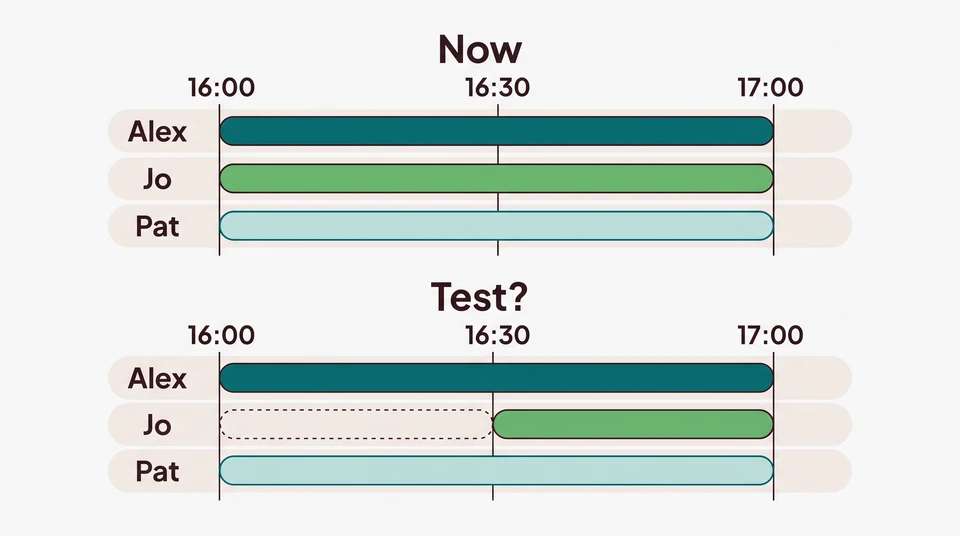
Could one dinner start move thirty minutes later? Follow the preparation, protect service backup and review what happens before repeating the change.
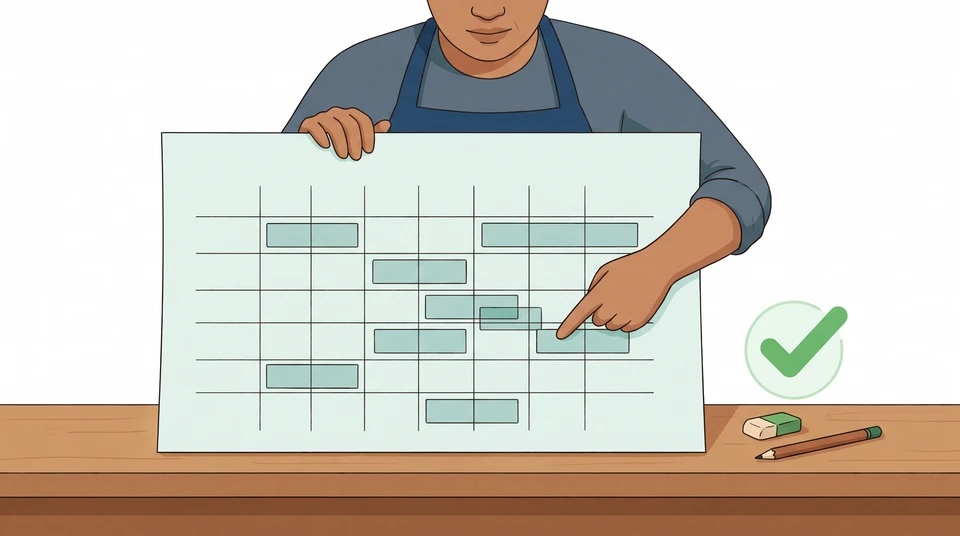
A worked six-person week shows how to enter shifts, total planned person-hours and correct a clash while keeping the work visible.
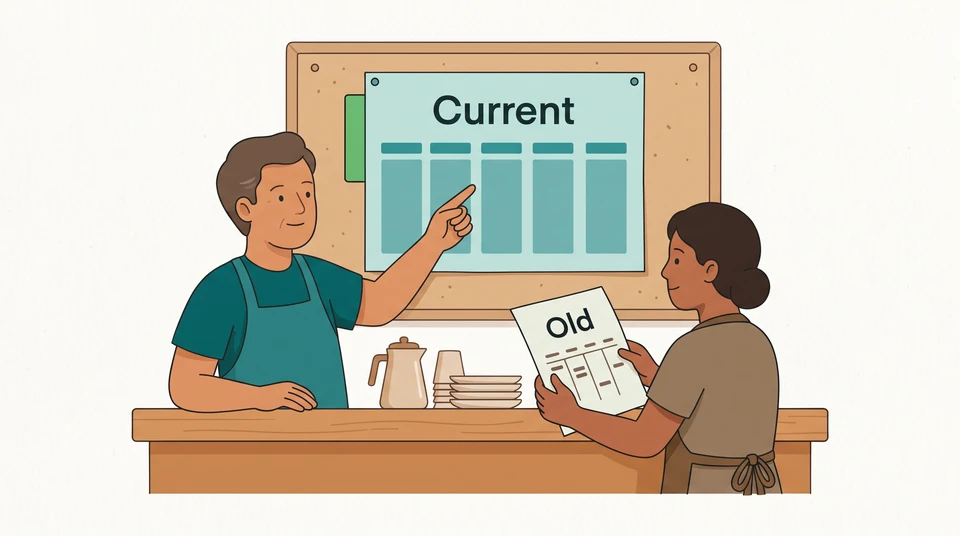
Two copies show different Friday starts. Check the published version, settle what changed and help each team member find the current schedule.
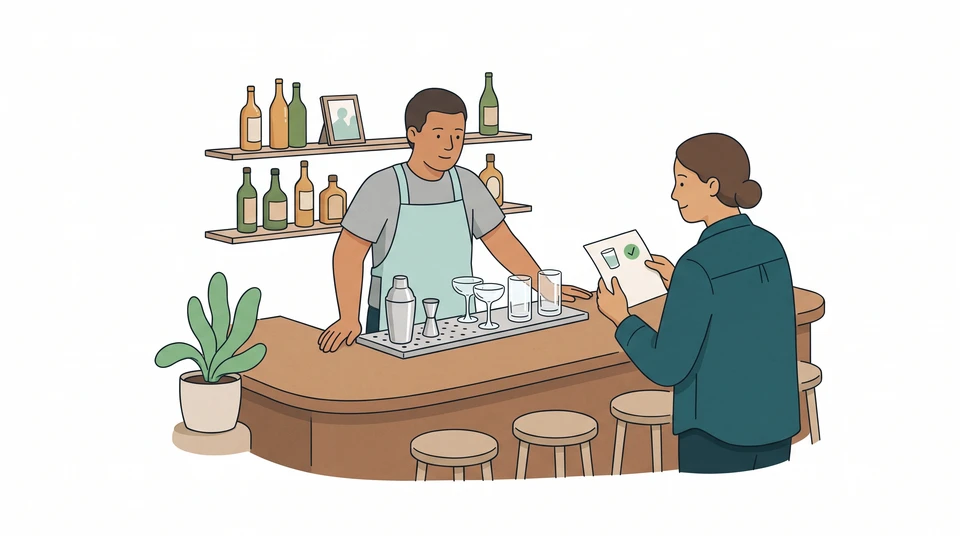
Separate opening readiness from supervised peak service. Adapt a bartender job description with clear ticket ownership, payment limits and manager backup.
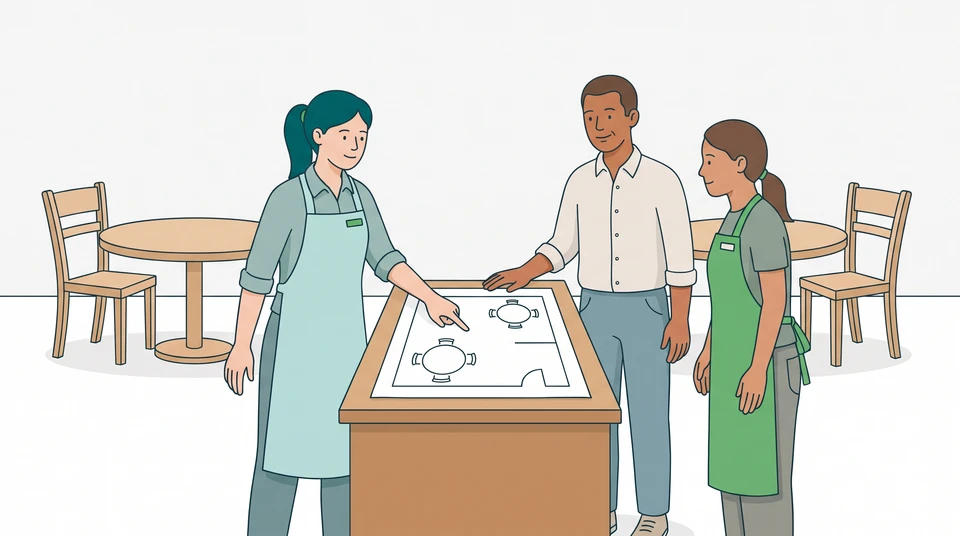
Give a new shift lead progressively larger supervised decisions, then review their reasoning, escalation and follow-through before the next responsibility.
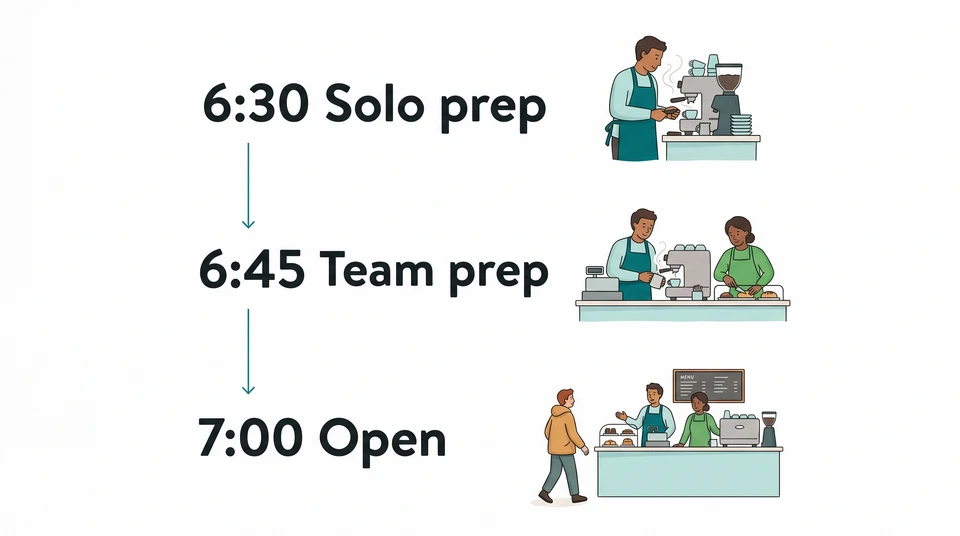
Start with the jobs that must be ready for service. Compare solo and shared preparation before trialling one change to an opener’s start.
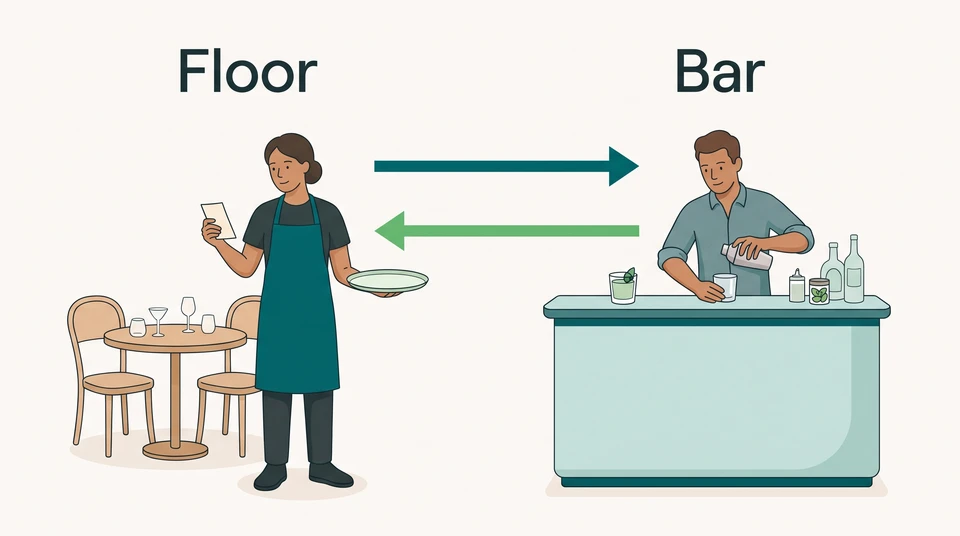
Define who takes the order, makes the drink and follows up with guests. Adapt a plain floor-service role description and prepare the first shift.
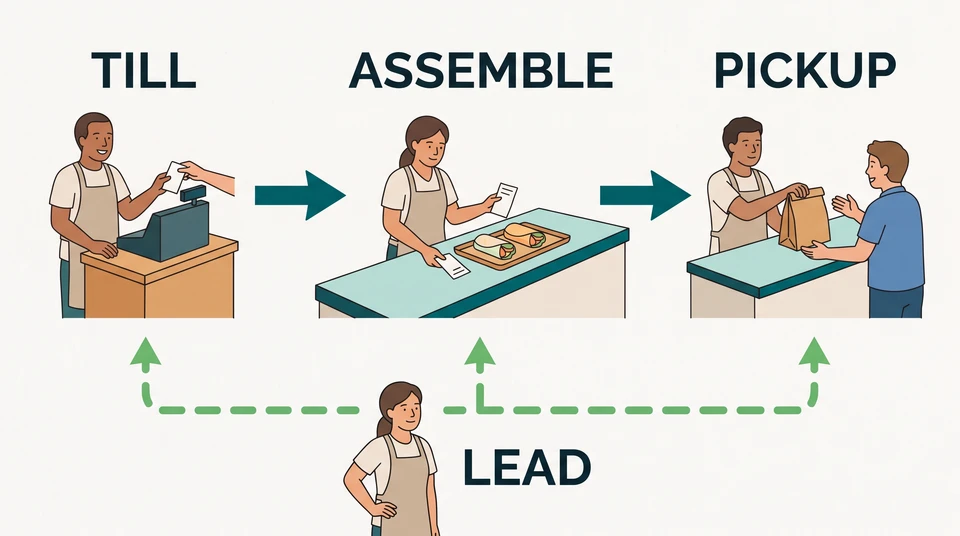
Give your next counter crew member a clear starting station, specific backup duties and a manager to ask before changing jobs.
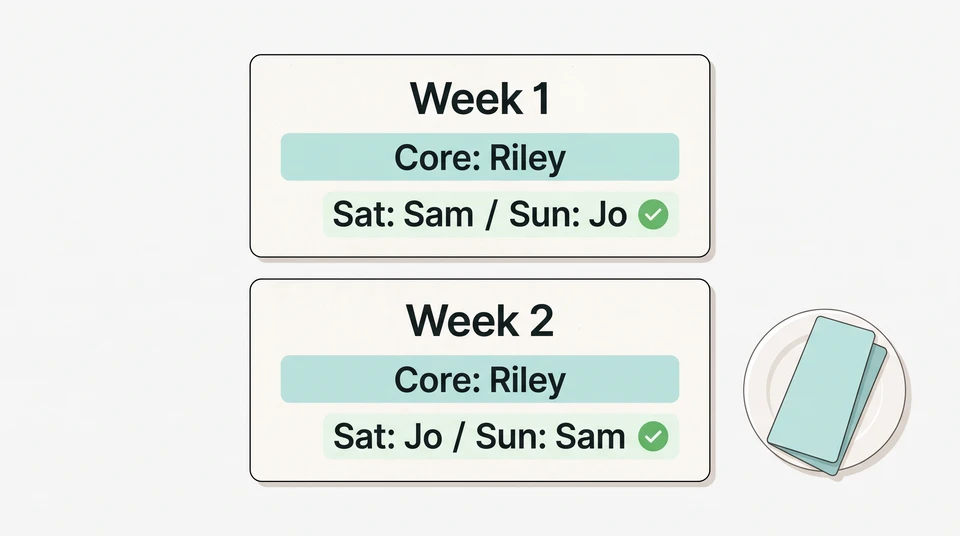
Keep a weekday core, compare two weekend patterns and ask your team what works. Includes a two-week floor-position example without changing the whole roster.
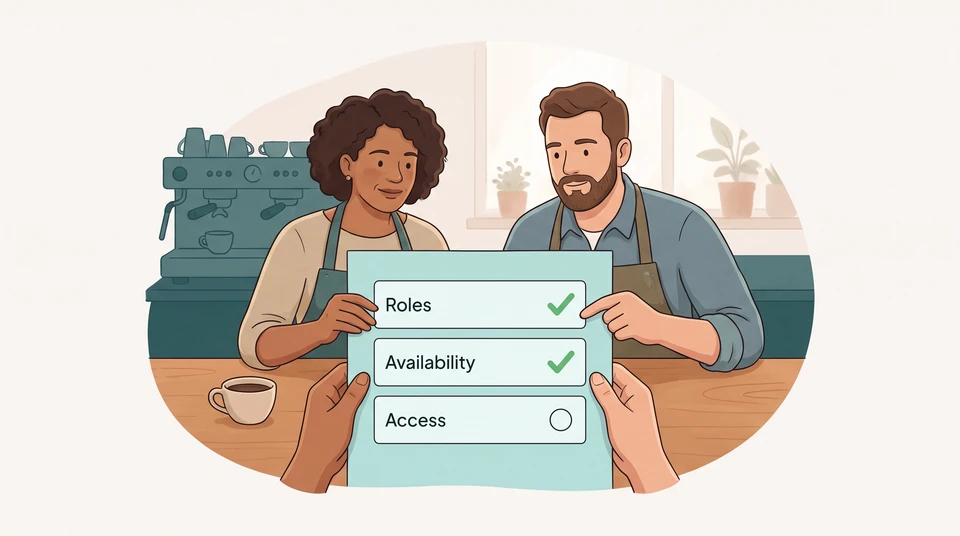
Use the same cafe week in each shortlisted tool. Keep a practical record of manager and staff tasks, workarounds and unanswered buying questions.
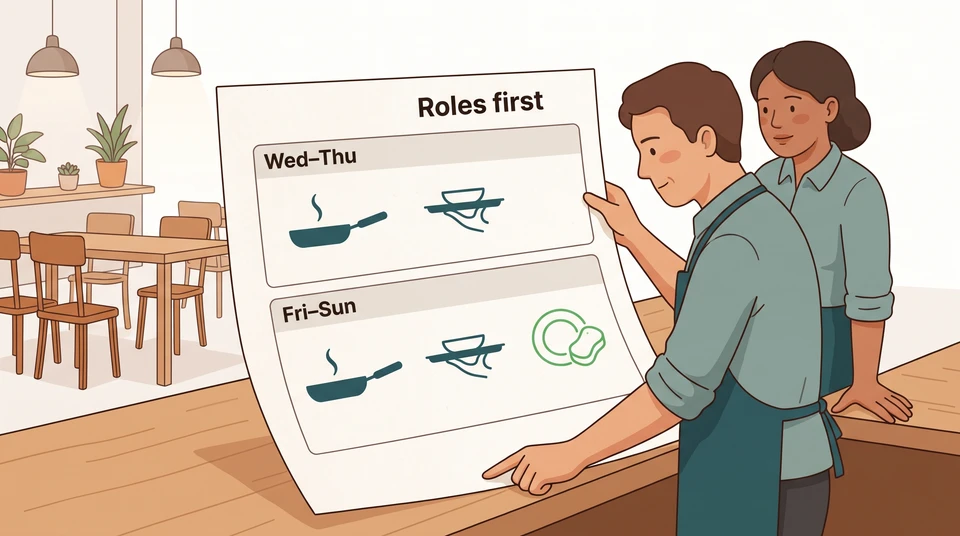
Start with required work, then add people. A small dinner-restaurant example shows the weekly role pattern, confirmed availability and a gap the manager must resolve.
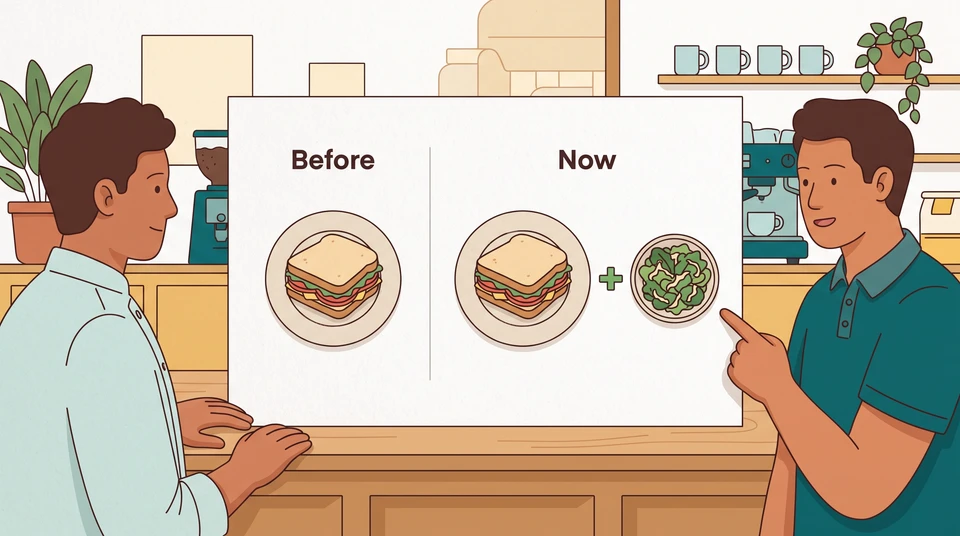
Compare one changed menu item, confirm price and availability, then listen to staff explain the option and escalate an unanswered question.
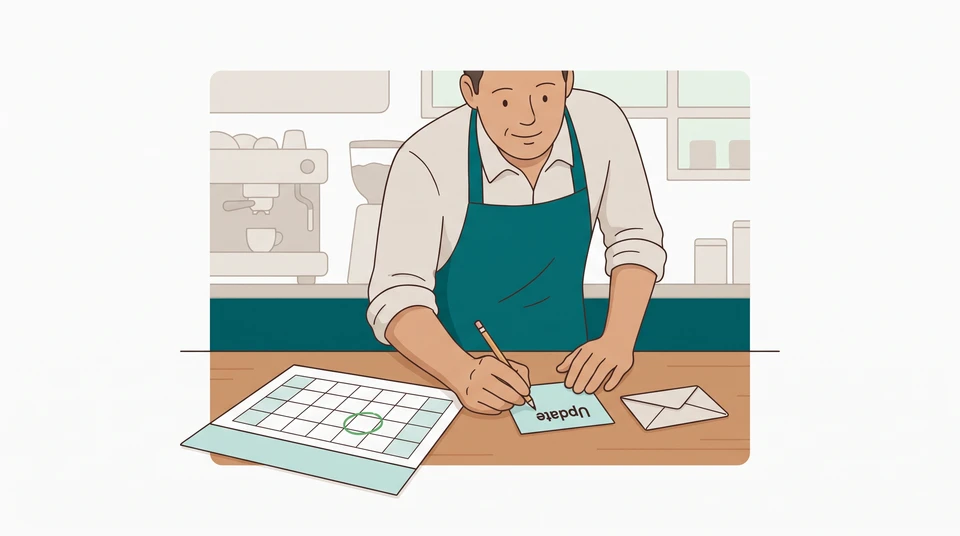
Be clear when the job has been accepted, offer one owned update and close the conversation without asking a candidate to hold their calendar.
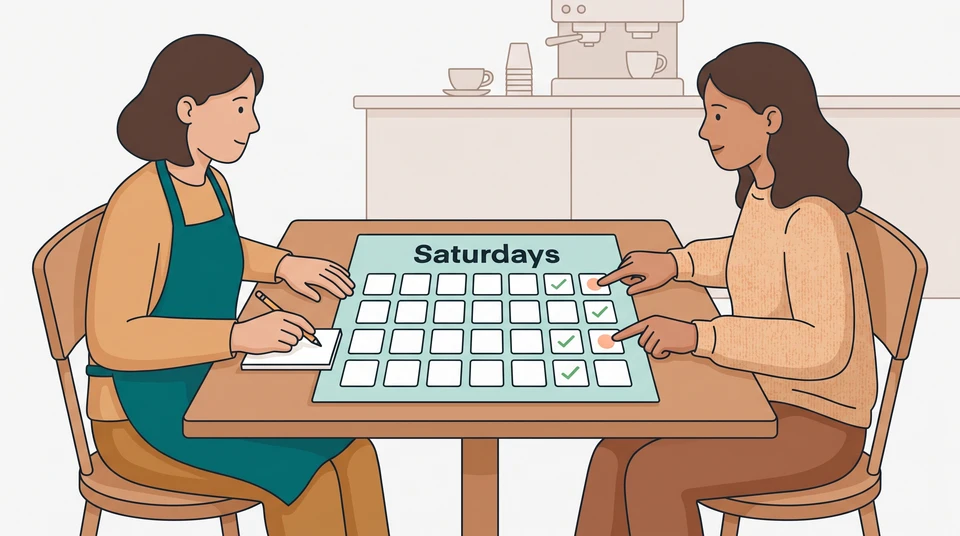
Separate the shifts you need, the availability a candidate states and any dated exceptions. Leave one manager responsible for the question still open before an offer.
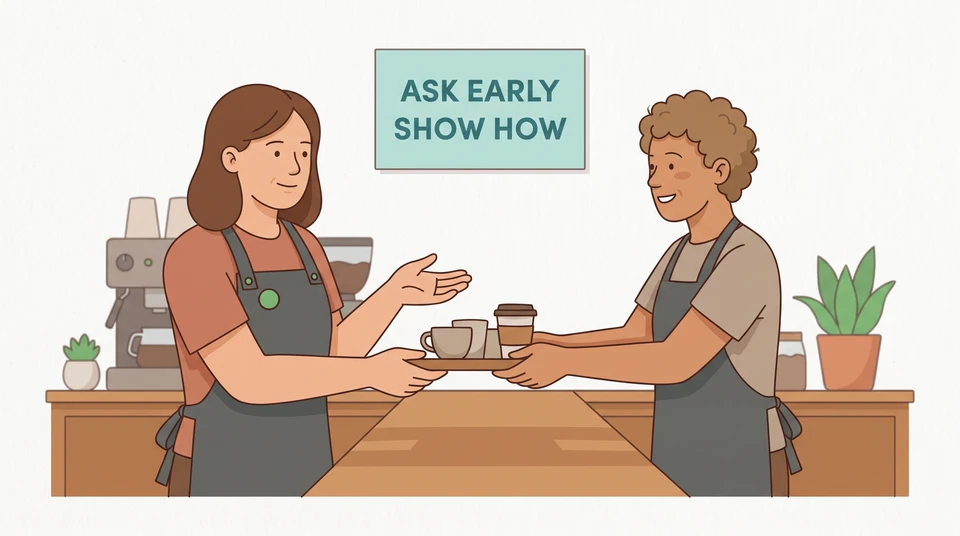
Turn one value into an action the team can see. Model asking for help during a busy handoff, then use specific feedback to change the next service.
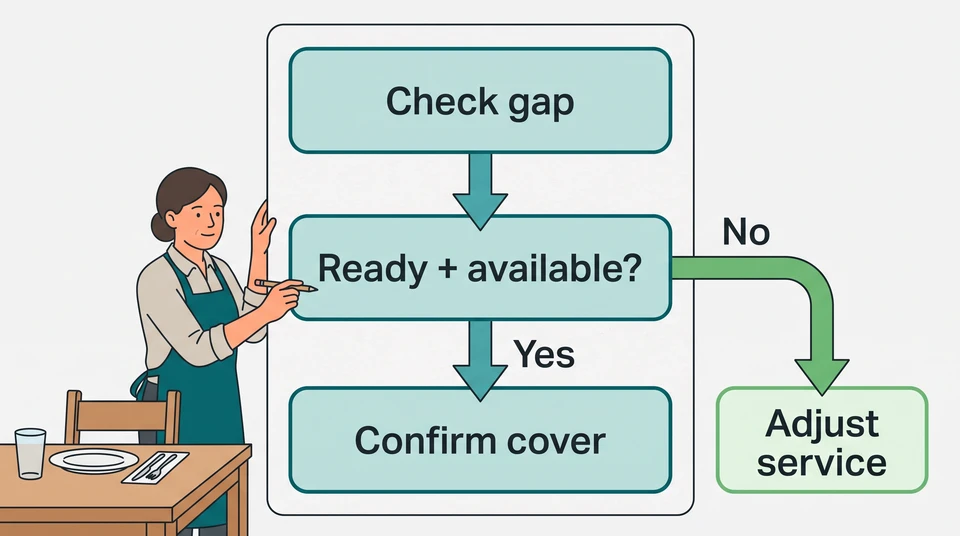
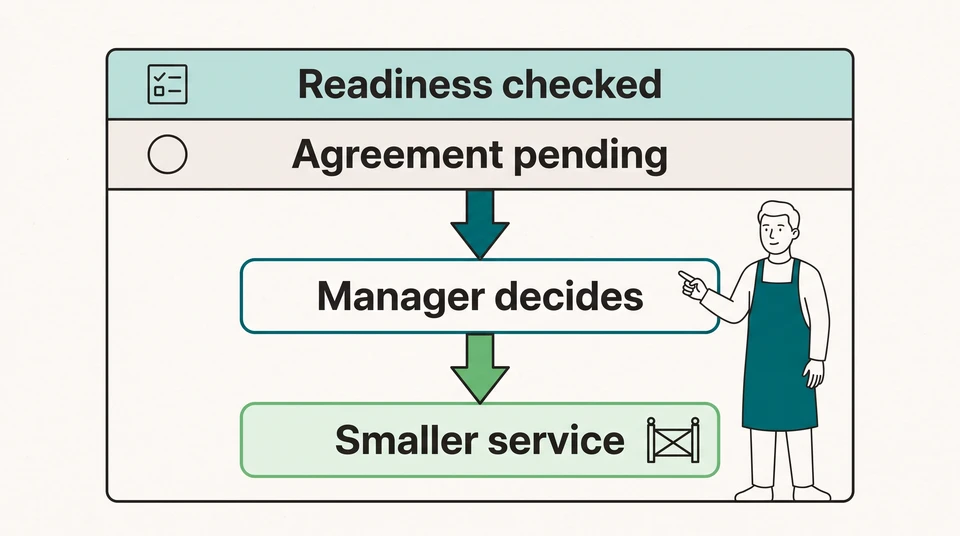
Start with the uncovered station, not a group message. Keep one manager in charge of suitable cover, confirmation and a smaller service plan if needed.
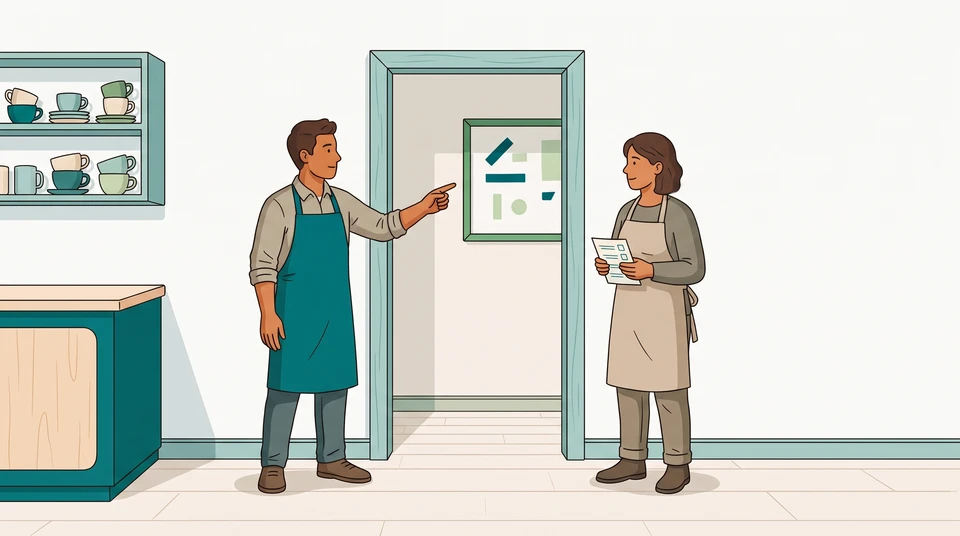
Keep familiar role knowledge. Explain the local entrance, shift lead and opening routine before an employee covers the other venue.
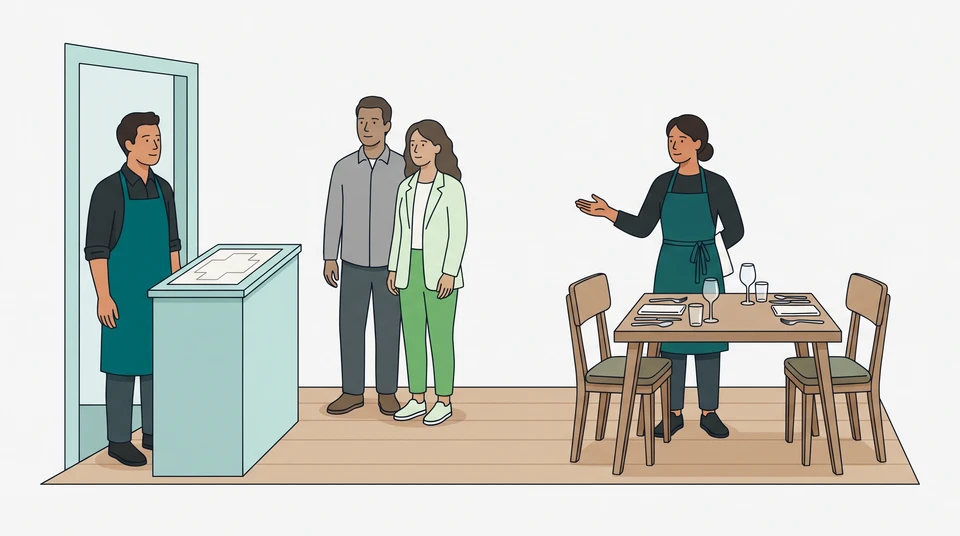
Make arrivals, seating checks and guest updates clear before you advertise. Adapt a practical host description around your venue's actual entrance work.
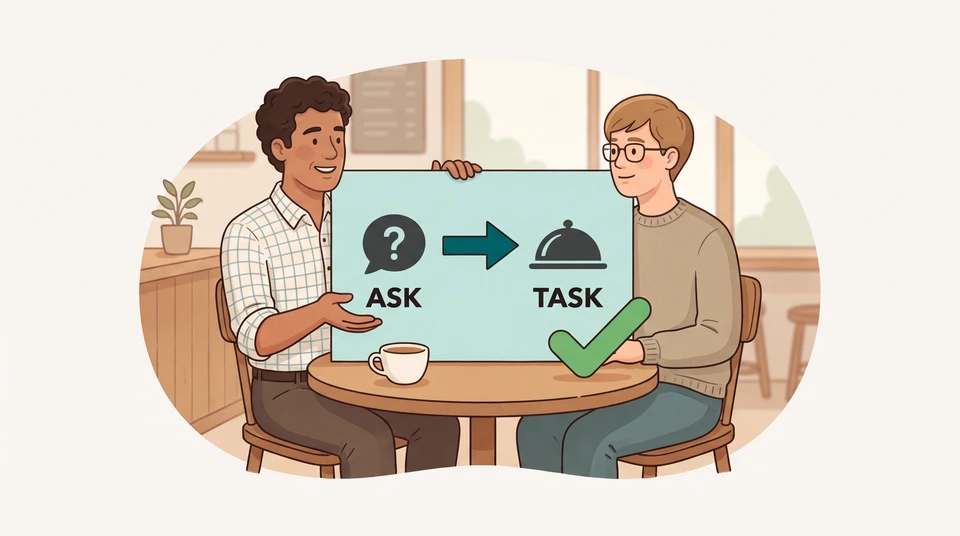
Choose three real shift situations, ask useful follow-ups and keep clear manager notes. After hiring, turn teaching needs into a practical first-shift handoff.
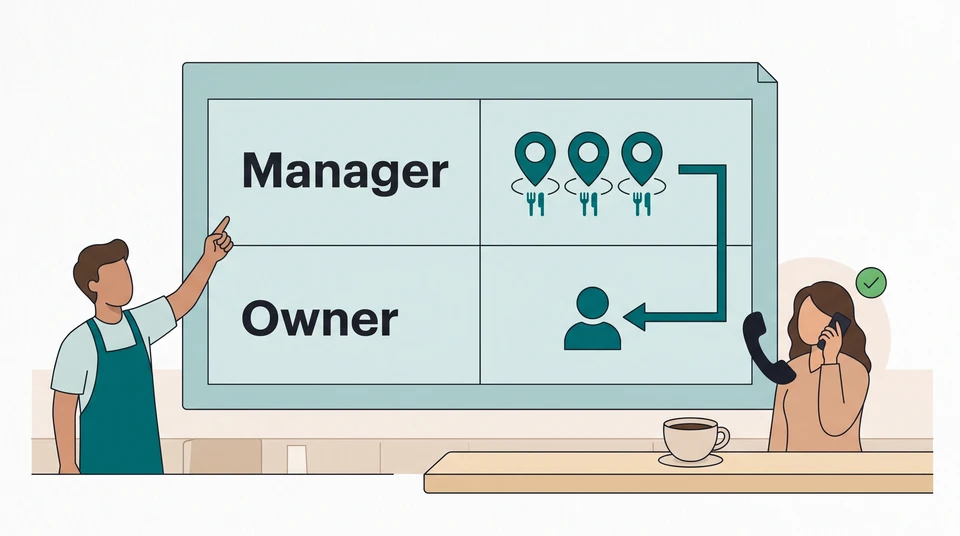
Agree what the shift manager can decide, what stays with the owner and what happens when the owner is unavailable.
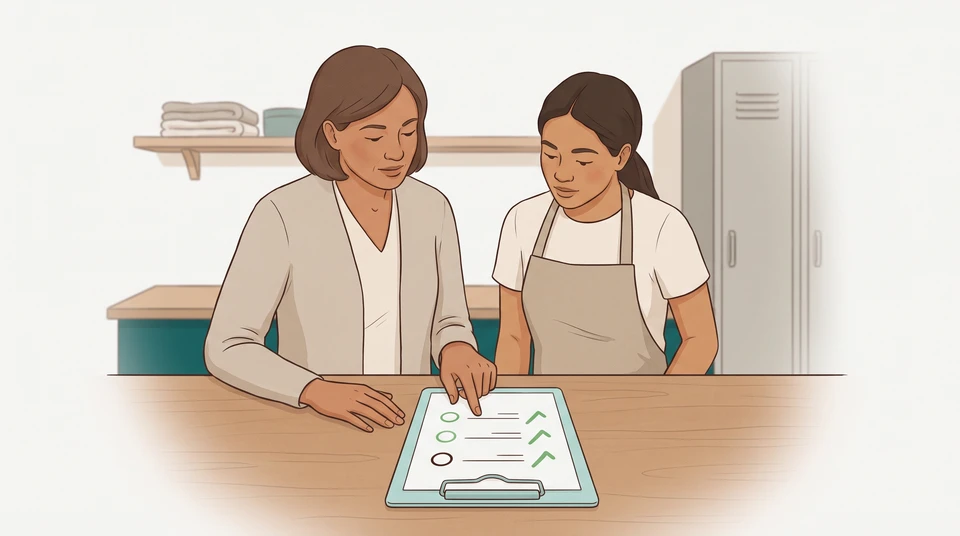
Keep completed introductions, pass open questions to a named manager and use one check-in to close the loop across three shifts.
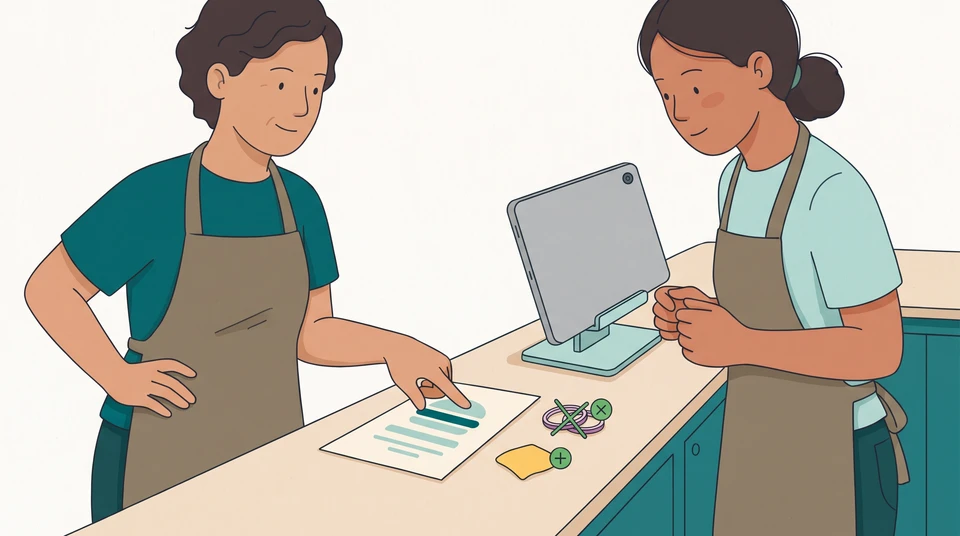
Use an imagined burger order to compare intended and entered modifiers. Confirm the provider’s practice setup, then record what the manager actually observed.
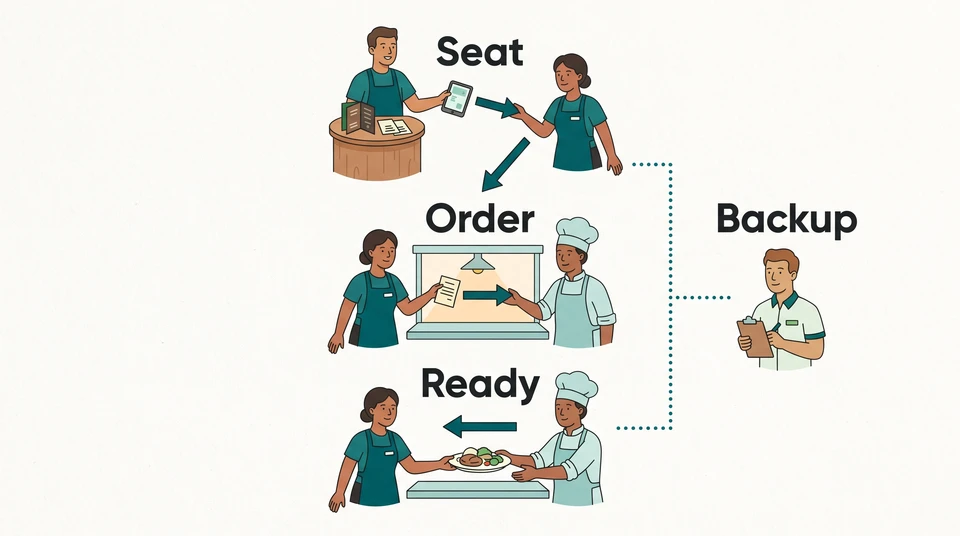
Give each service handoff a sender, a receiver and a backup. Adapt a dinner-service map for your host, servers, kitchen and shift lead.
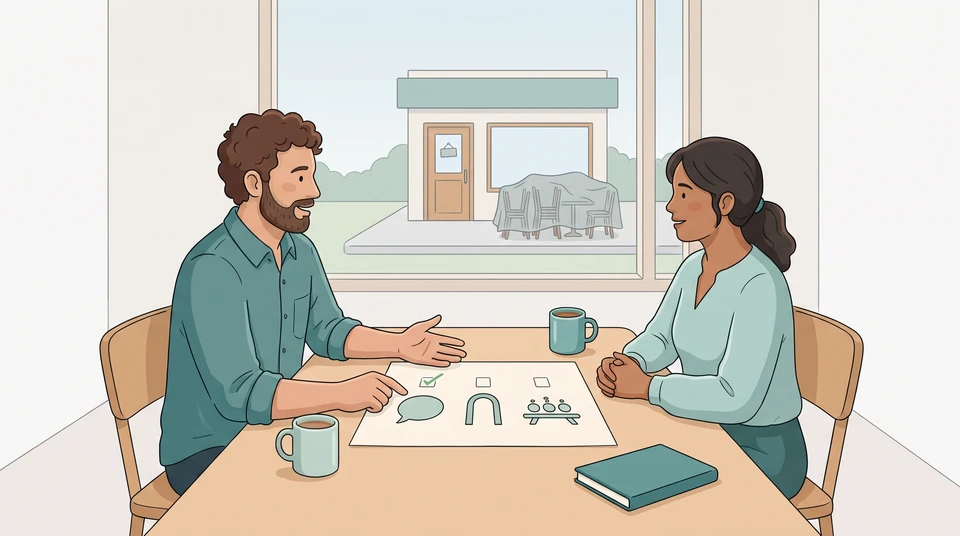
Separate preparation that can happen now from the walk-through and service practice that need the venue ready. Give each phase an owner and a prerequisite.
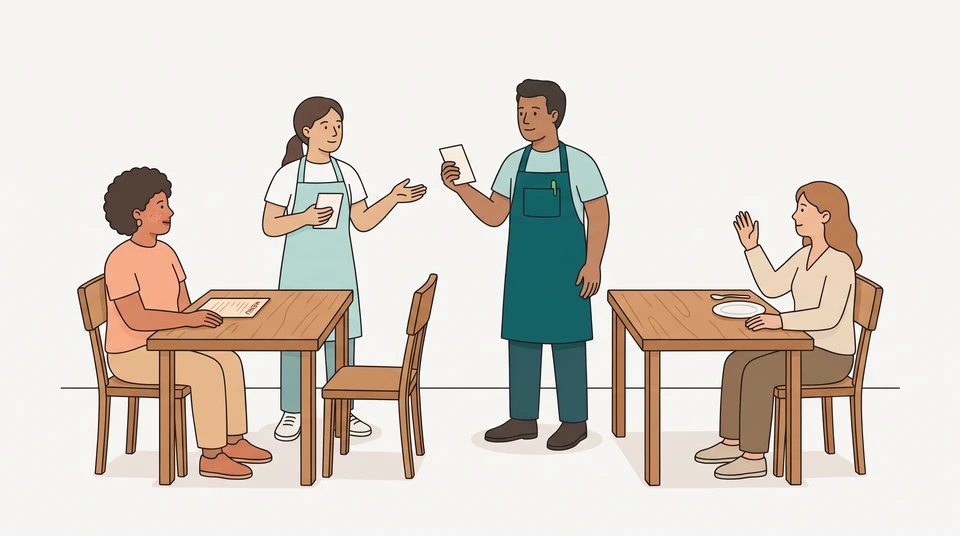
One table can go well while overlapping requests still need support. Use a worked server example to choose the next assignment, backup and review.
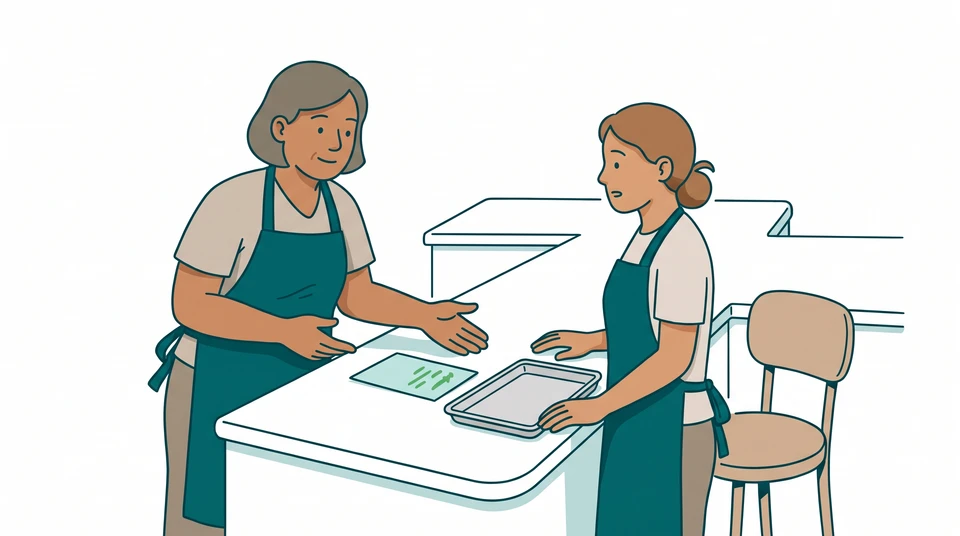
Set the purpose, compensation and supervision before inviting someone in. Use a short kitchen handoff example to plan observations without relying on an applicant for cover.
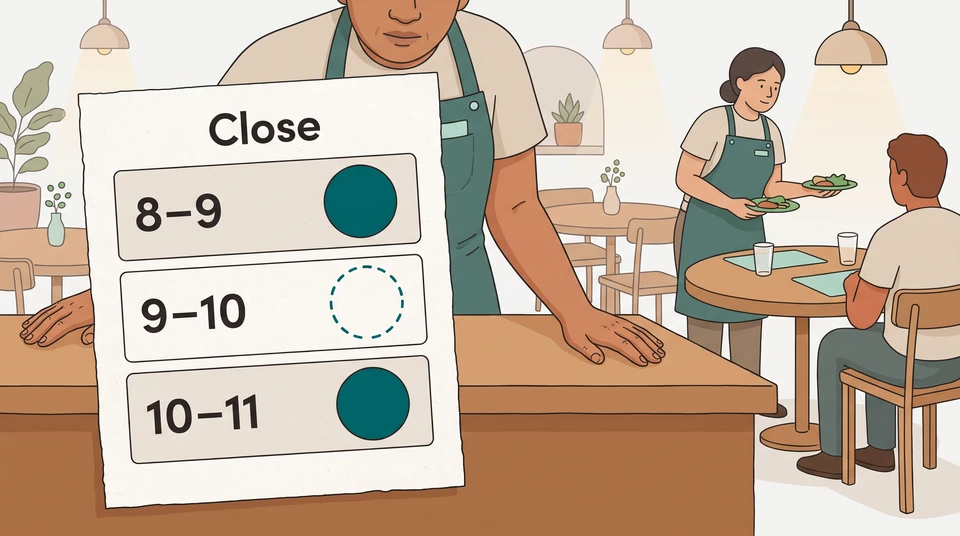
People can be on shift while one essential role is uncovered. Track the work that slips, test one practical change and review whether the gap remains.
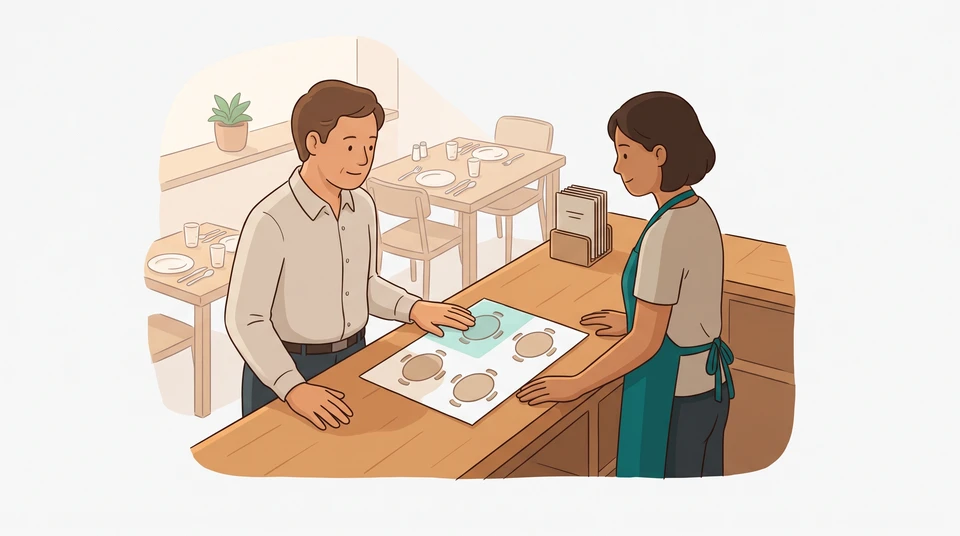
Define the service work, checkout authority and training support before you advertise. Start with a copyable, editable restaurant server job description.
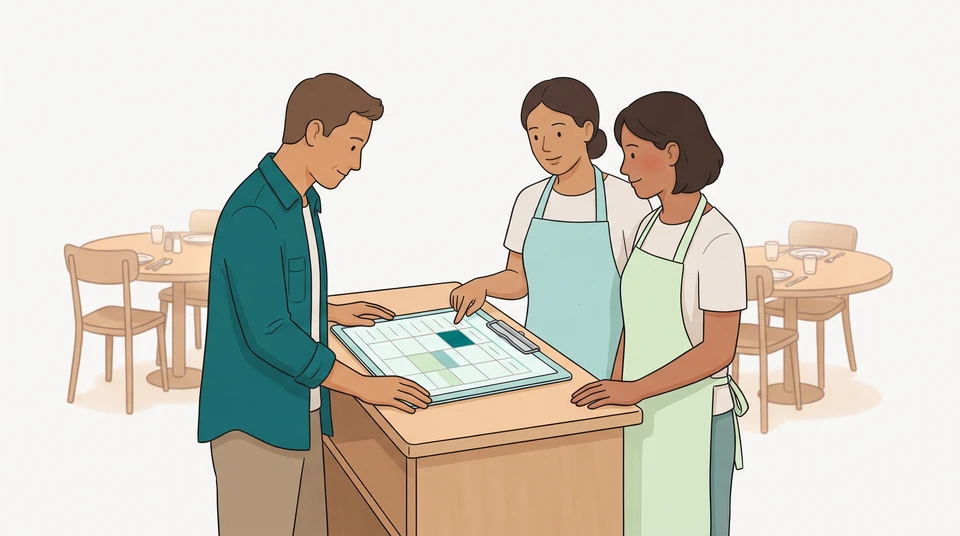
Two servers agree to trade next week’s shifts. Check availability, closing and setup duties, coverage and applicable constraints before confirming the schedule.
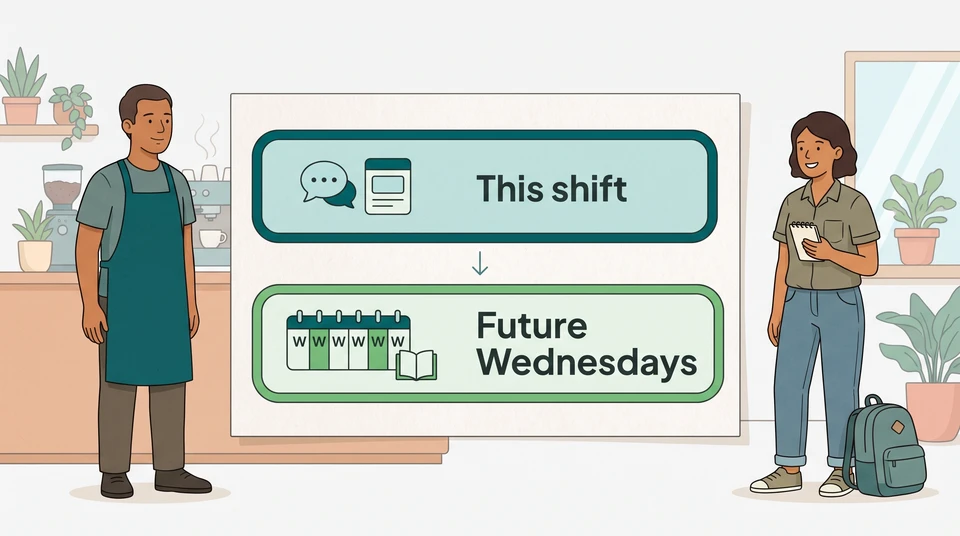
A student’s new Wednesday class needs two decisions: cover for the published shift and availability for future weeks. Work through both with a clear manager follow-up.
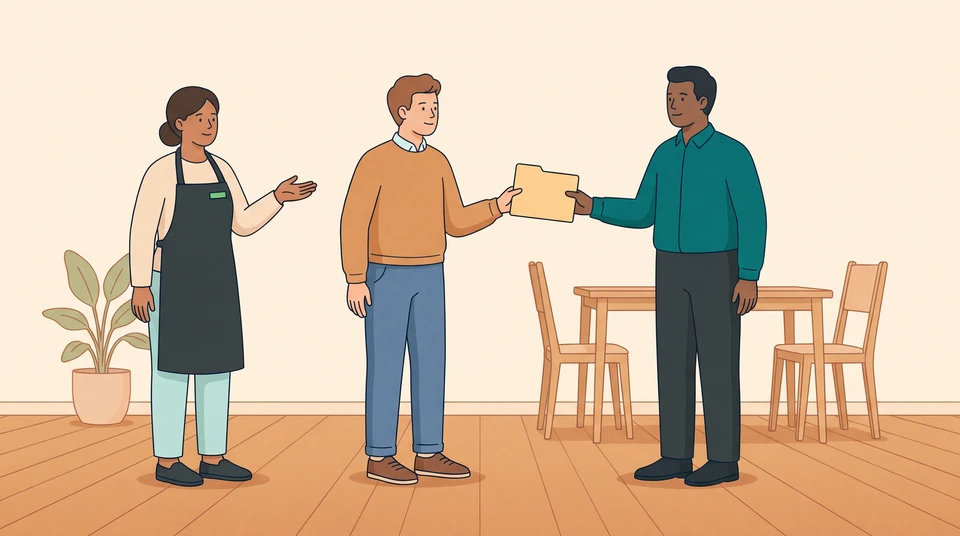
Give staff one opening to share, let candidates apply directly and name the manager who will reply. Includes a practical two-referral server example.
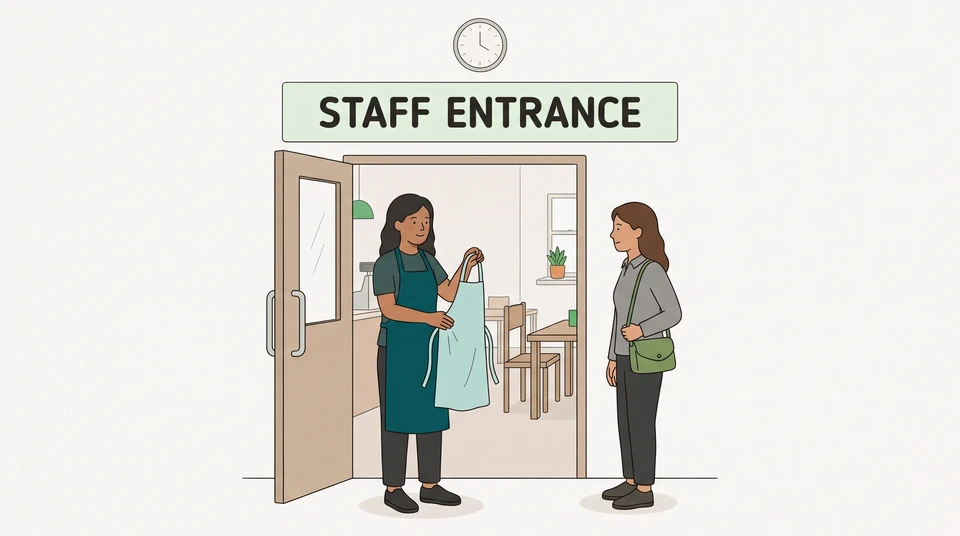
Make the first arrival clear with one short welcome message. Confirm when and where to arrive, who will meet the new starter and what to do if plans change.
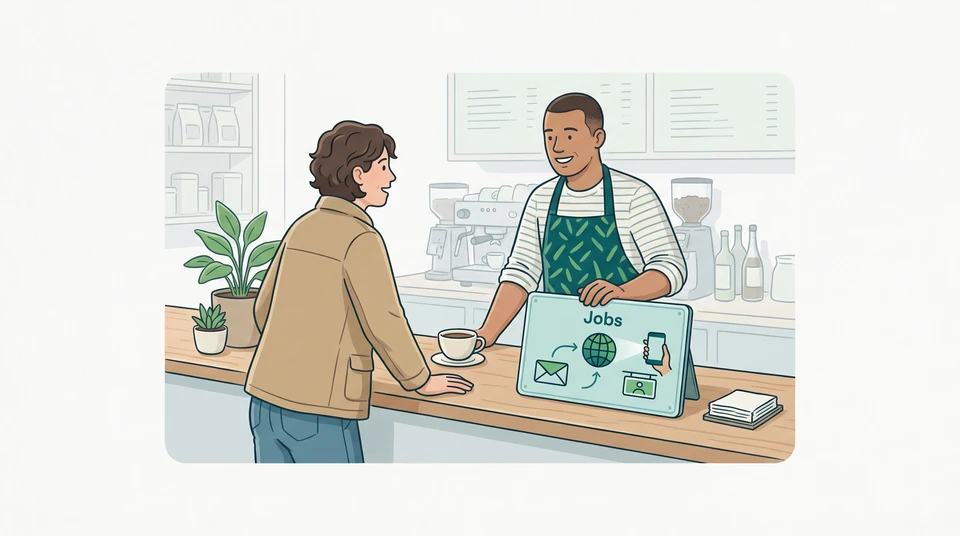
Three clear ways to apply, one company job board, and a human next step for each candidate.
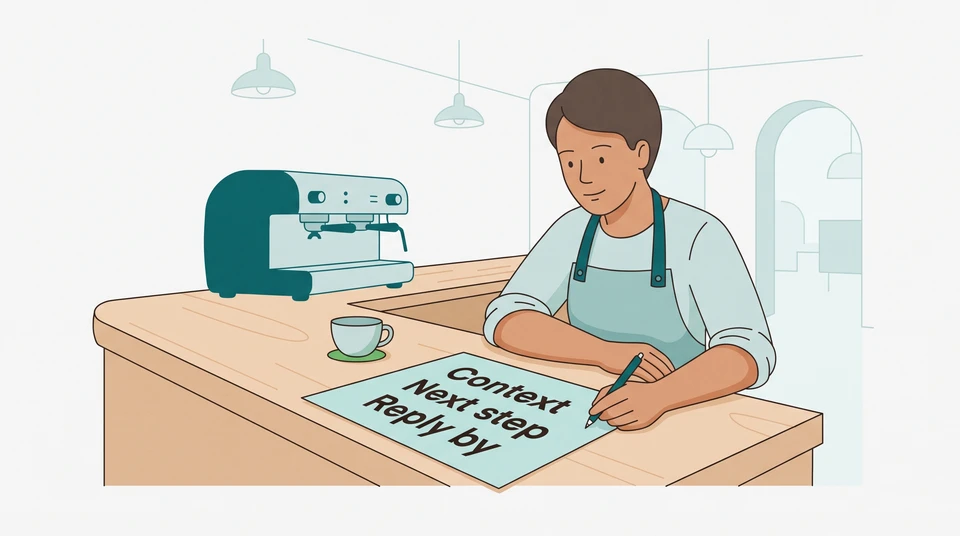
Check the last conversation, offer a concrete next step and decide when to close the loop—without treating silence as a judgment about the candidate.
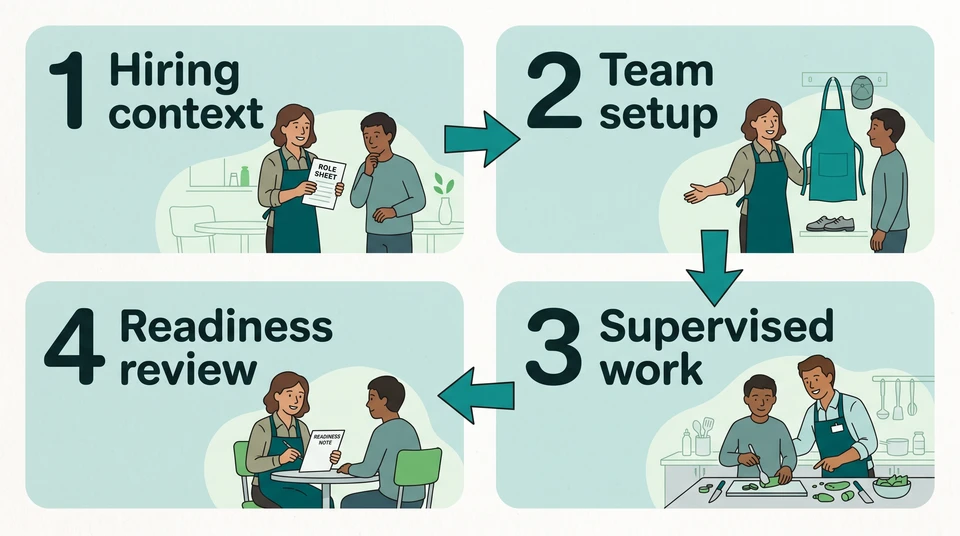
Give each new starter a clear arrival, supported practice and a manager’s decision about what they can cover before the next schedule.
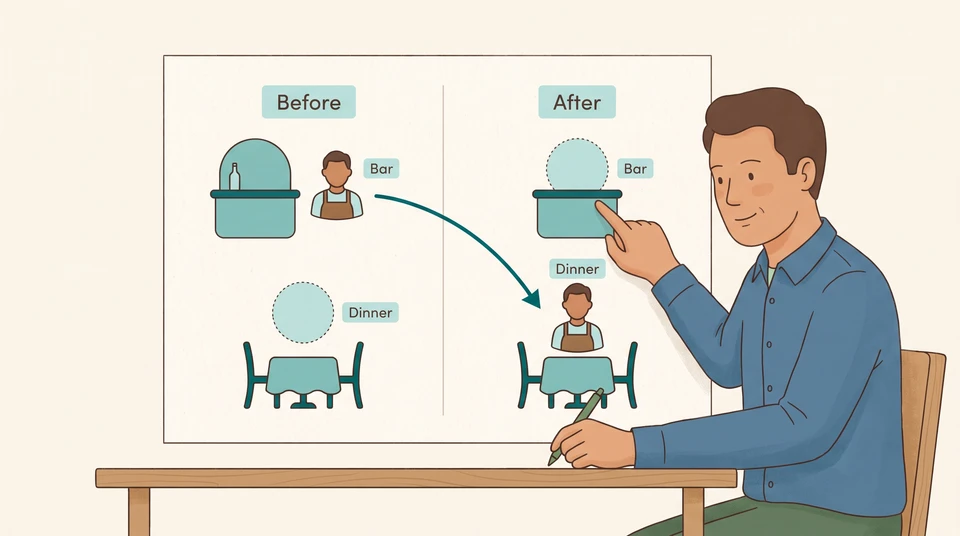
Before moving someone into dinner service, trace their existing work, compare the alternatives and keep any unresolved gap visible.
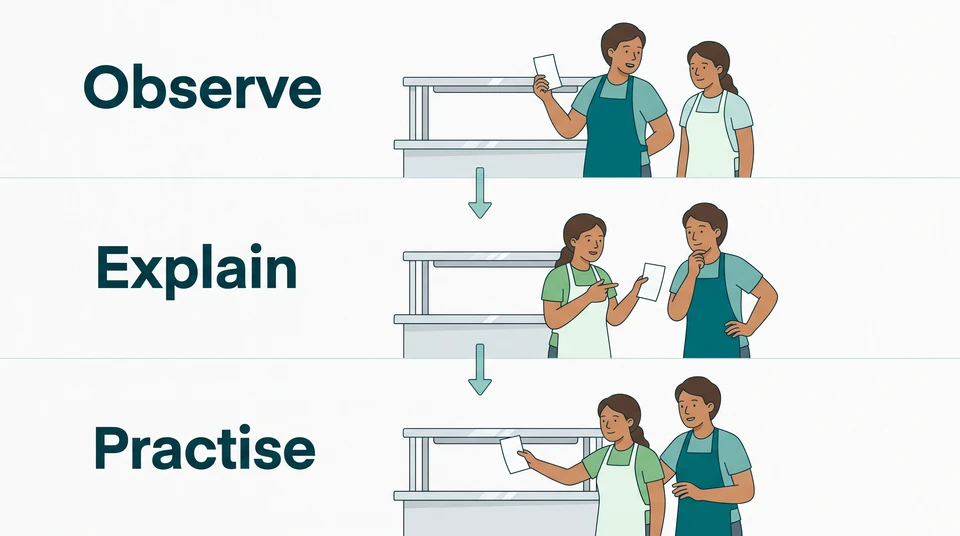
Give a new server one handoff to watch, a chance to explain it back and supported practice—not just a shift spent following someone.
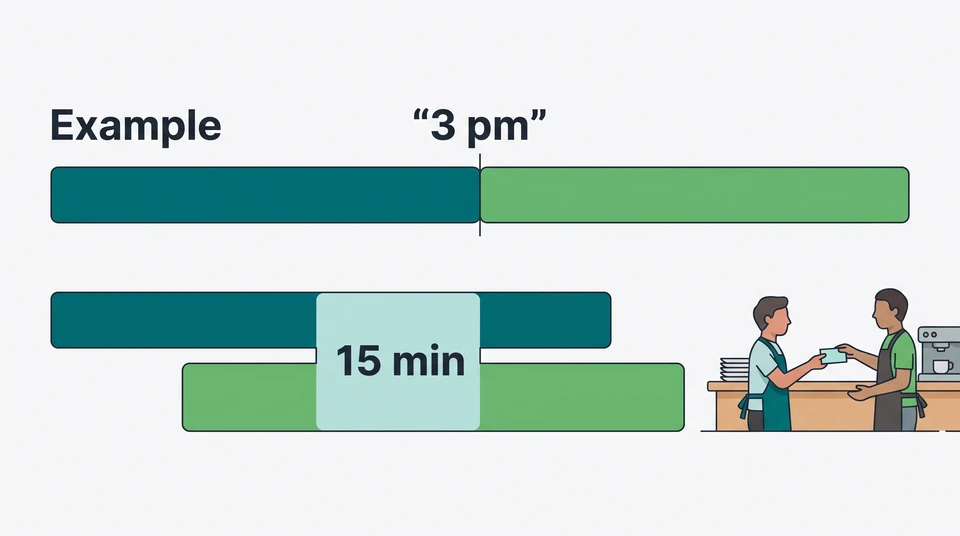
Give shared shift time a clear job. Compare a direct changeover with an example overlap, then adjust from the information the incoming lead still needs.
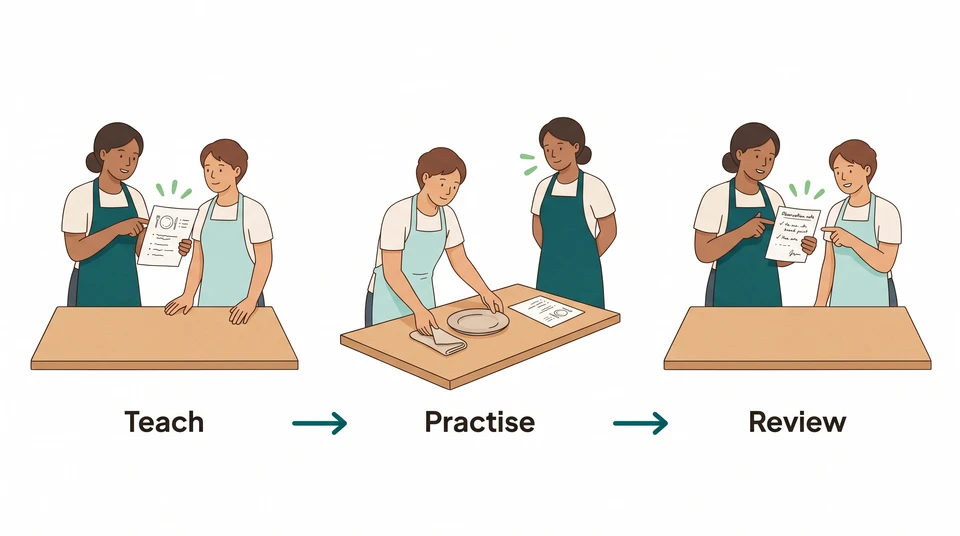
Choose one venue instruction, separate demonstration from practice and record the learner’s next step without mistaking a tick for readiness.
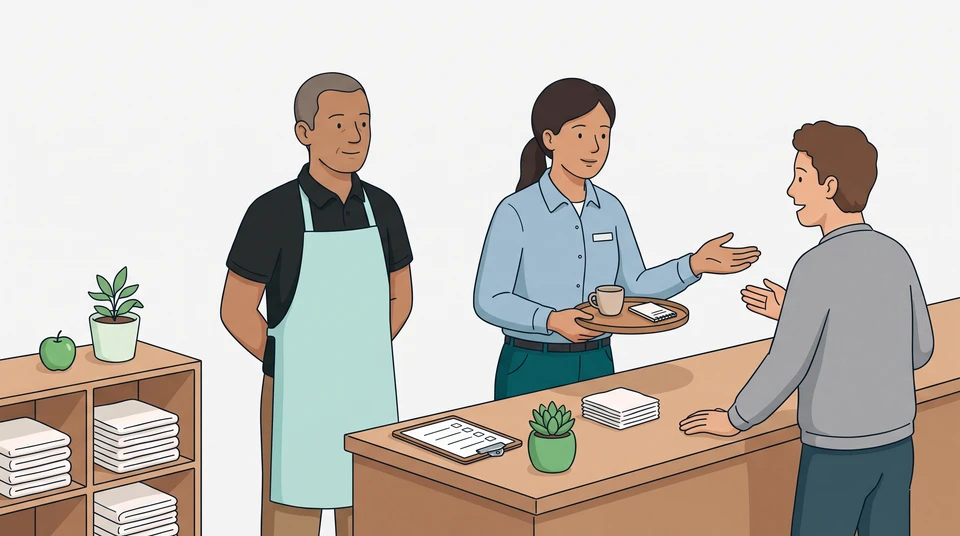
Finding spare napkins and handing a guest to another server need different checks. Choose the method for the task, not the format you already have.
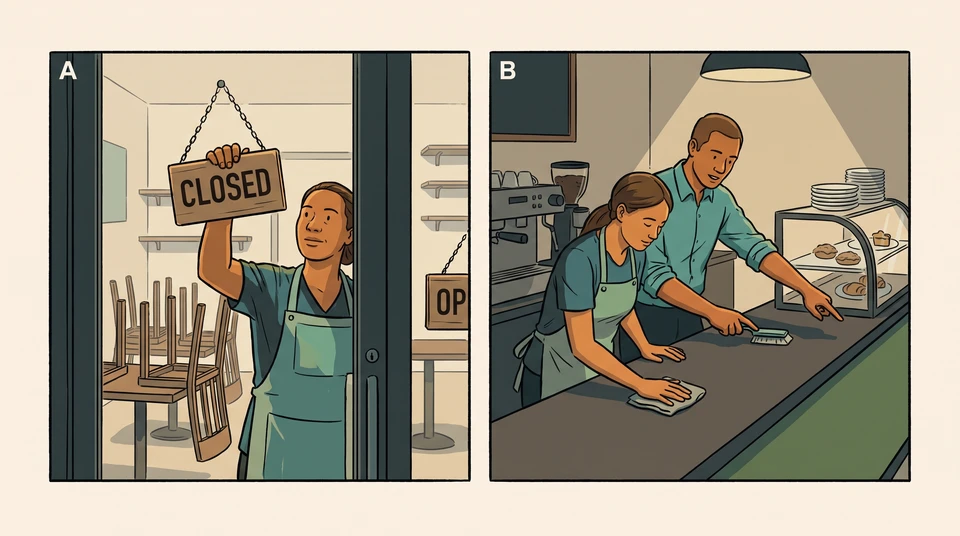
Start with the work, the time and who is ready. Then decide whether to change an assignment or address a genuine coverage gap.
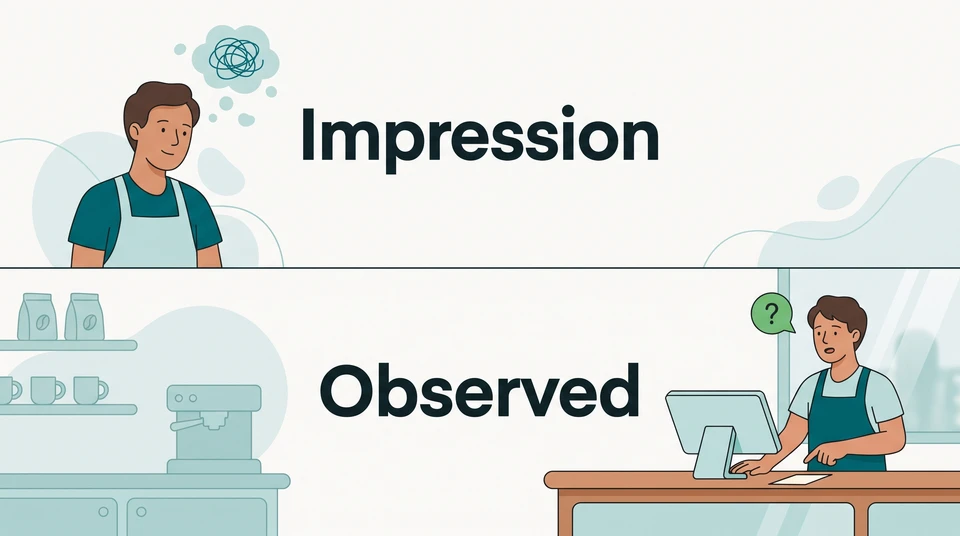
Replace a vague impression with the task you observed, the help provided and a clear next step. A cafe till example shows what to record—and what to leave open.
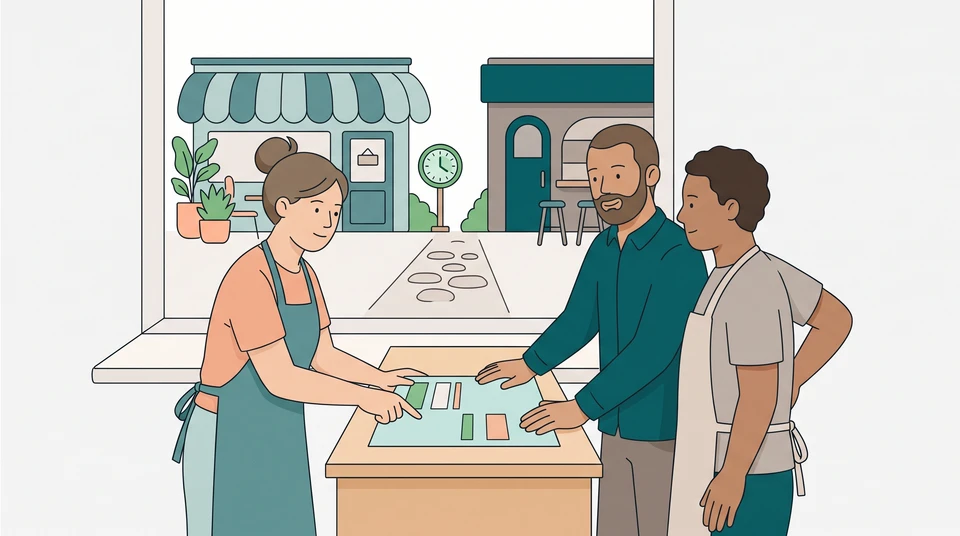
A 2 p.m. café finish cannot cover a 2 p.m. bar start. Check the journey, agree coverage and give both managers one confirmed plan.
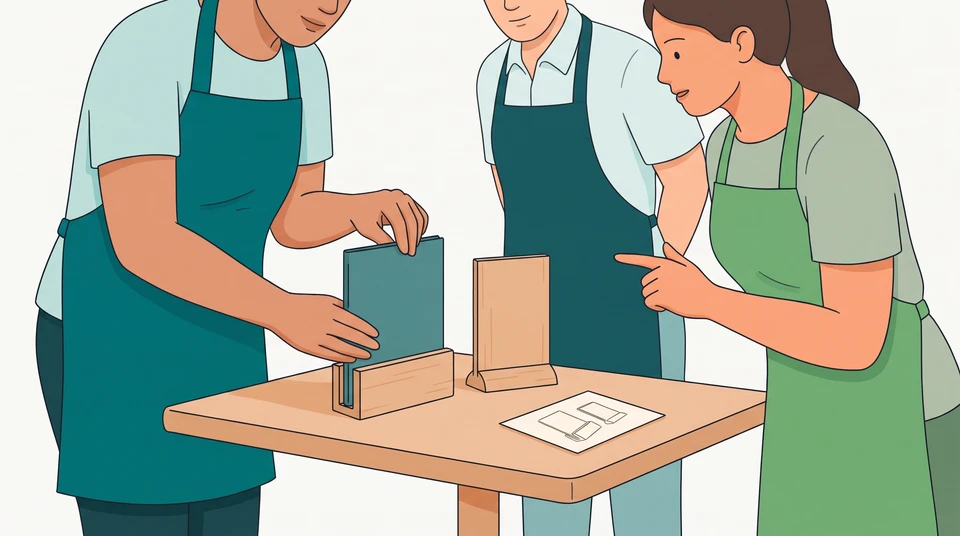
Ask privately which instruction format helps, demonstrate one table setup and let the learner show the next step. Keep reviewed versions together.
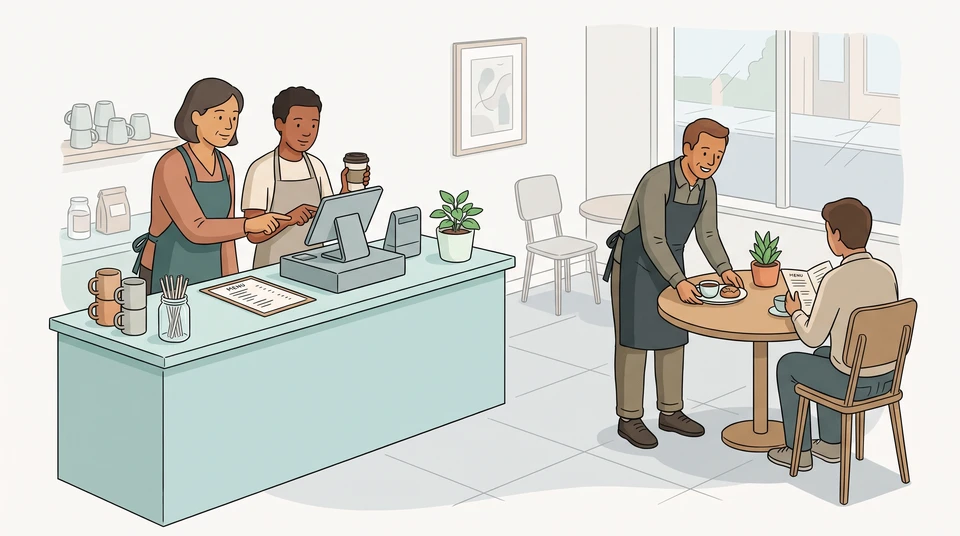
Plan a second trained person with real trainer time, original-station cover and a manager review before relying on them.
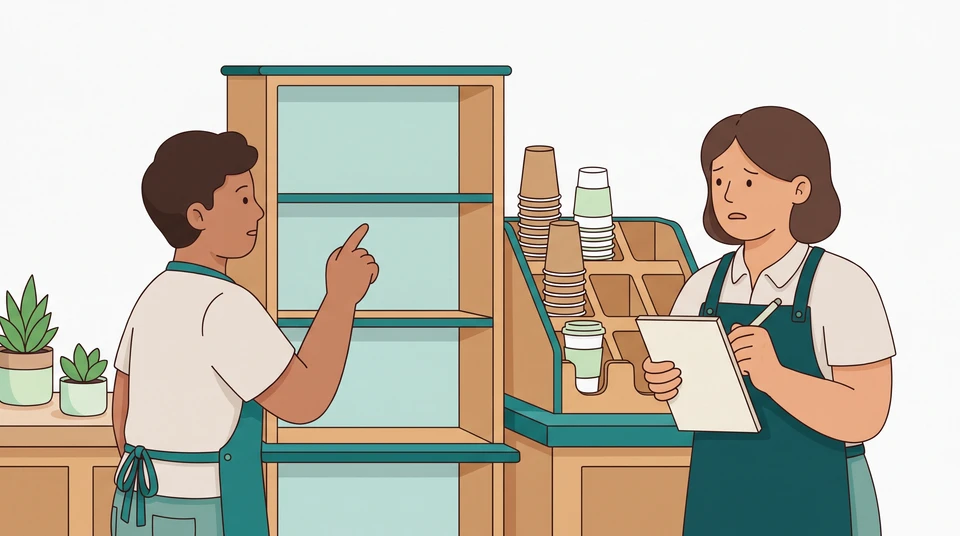
Teach what a finished closing task looks like—and what to report when supplies are missing. Start with one task and a supervised cafe example.
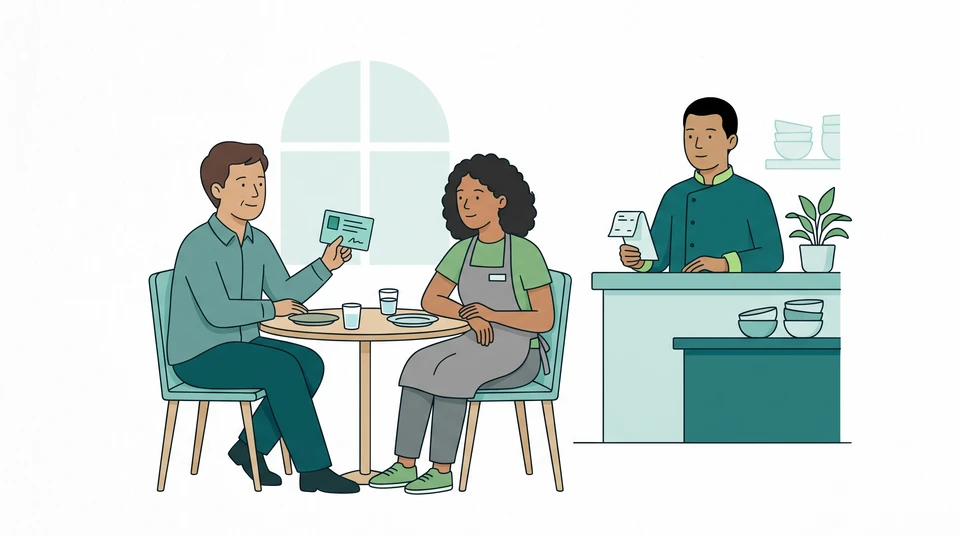
Help your team acknowledge a complaint, check the facts and know when to ask the manager. Start with a practical long-wait rehearsal.
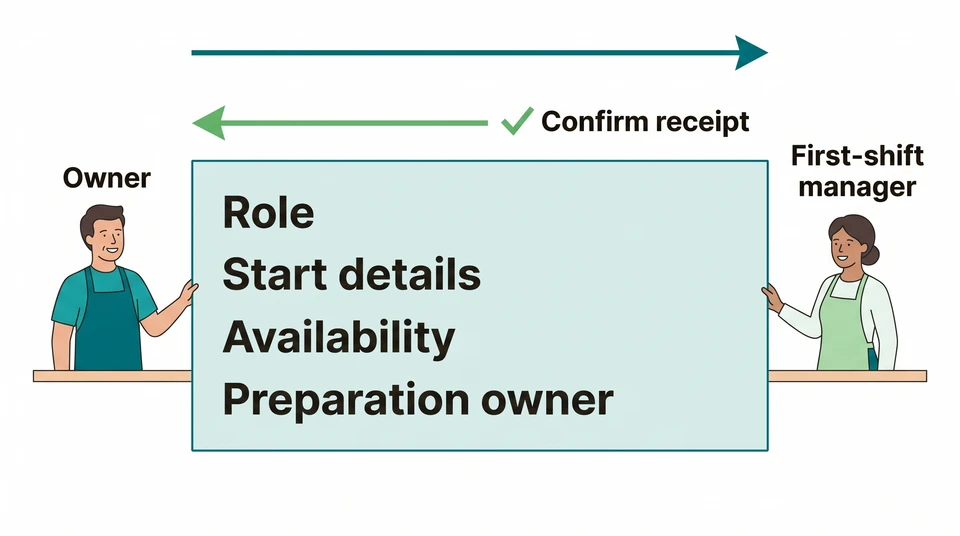
When the owner hires a server but another manager runs the first shift, pass on confirmed start details and agree who handles the arrival.
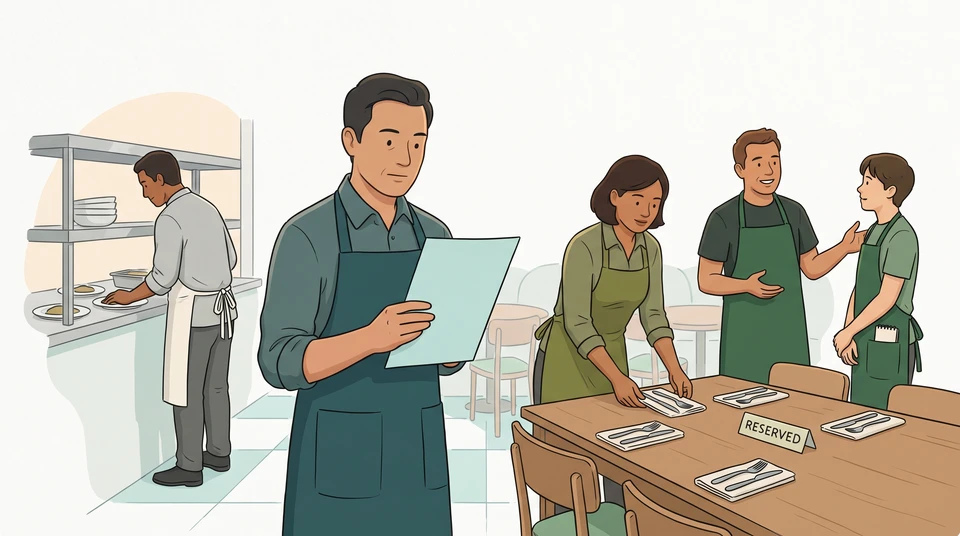
Turn this shift's changes into named actions, a short rehearsal and a direct update for later starters.
Spreadsheets, group chats, and six different apps. Here's why the scheduling problem for hourly teams hasn't actually been solved — and what needs to change.
