Stage staff onboarding before a new restaurant opens
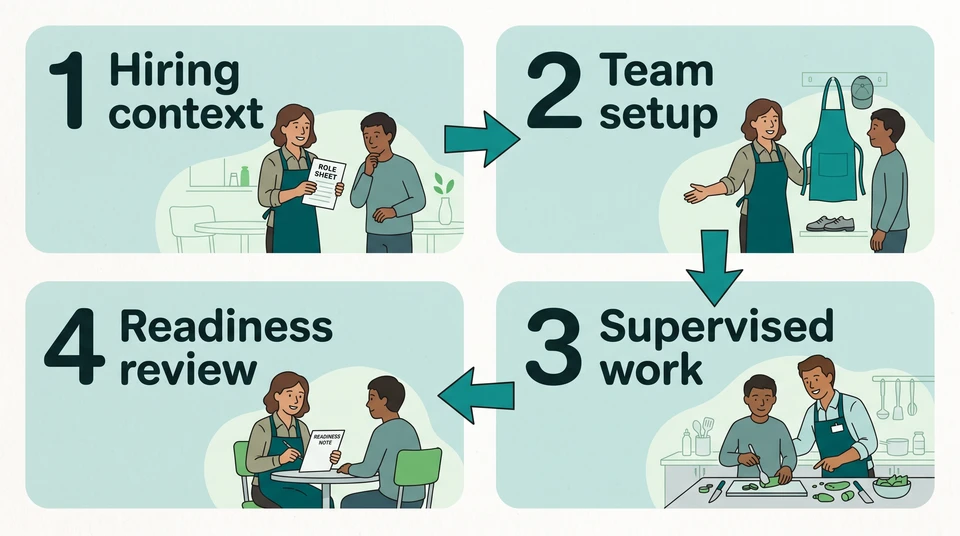
Separate preparation that can happen now from the walk-through and service practice that need the venue ready. Give each phase an owner and a prerequisite.
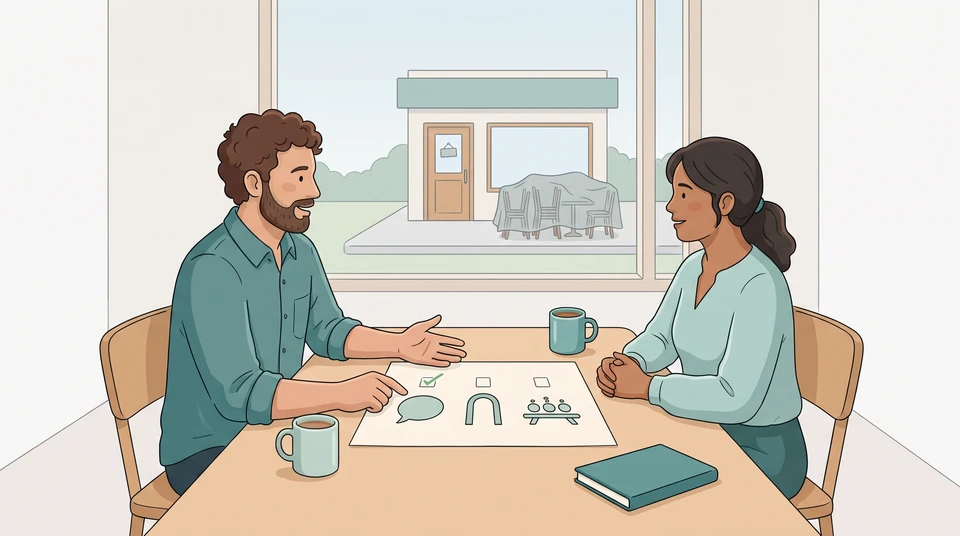
Start staff preparation with the work you can actually do now. Save the venue walk-through for confirmed access, and service practice for when the space, equipment and trainer are ready.
Imagine opening a small cafe while the dining room is still being finished. Your new server can meet the manager and learn who to contact without entering the venue. Finding the actual staff entrance, walking the service route and practising with equipment need different arrangements.
Use three phases, each with a named owner and a prerequisite—not a fixed countdown to opening day.
1. Identify what can happen before access
The owner or opening manager can arrange introductions remotely or at a suitable off-site meeting place. Give each starter their manager’s name, contact details, role expectations and the next confirmed meeting. Say plainly when the venue is not available for staff visits.
New York City’s restaurant onboarding playbook separates pre-start communication from restaurant orientation and a safety walk-through. It also recommends telling starters where and when to meet, who they will meet and what to bring.
Send confirmed information using the contact details the starter provided. Keep unfinished arrangements separate:
We’ll meet by video for introductions. The cafe walk-through is not confirmed yet, so please don’t come to the venue. I’ll contact you directly with the location, time and who will meet you once access is arranged. Please reply to confirm you received this.
Ask for receipt, not agreement to an unconfirmed shift. If someone cannot join by video, arrange a phone conversation or another suitable option. Use your normal secure process for employment documents rather than a team message thread.
Treat required preparation as work to plan and pay for, not free homework before opening. In Australia, the Fair Work Ombudsman says employees must be paid for training that forms part of their job. For US employees covered by the FLSA’s hours-worked rules, required job-related orientation does not meet the ordinary training-time exclusion described by the US Department of Labor. Check the applicable rules and arrange paid time before assigning it; being remote does not make it unpaid.
2. Assign preparation owners and prerequisites
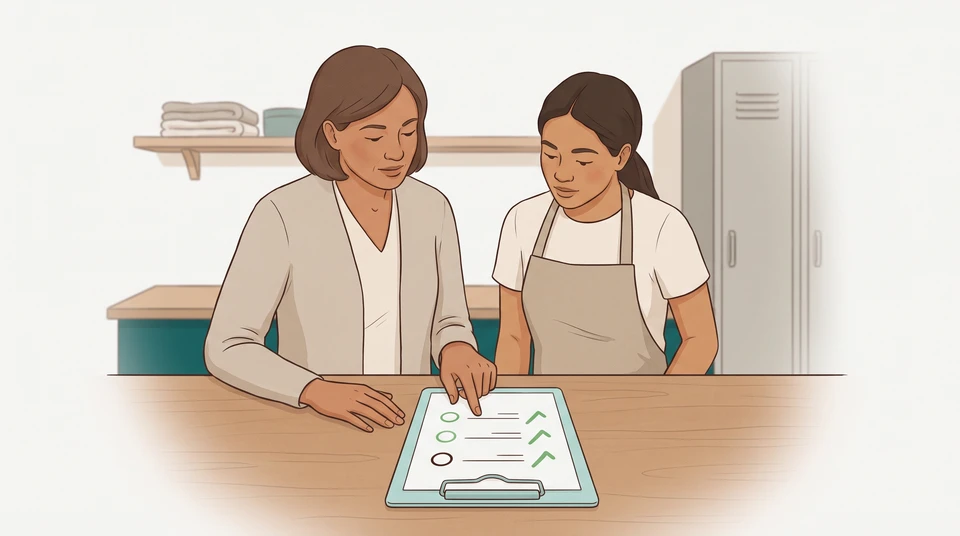
Put the next actions on one short worksheet. Name the person who can resolve each outstanding prerequisite. “Waiting for the venue” is less useful than “Sam will confirm whether the agreed entrance and walk-through area are available before inviting staff.”
Here is a worked example for that cafe. The names and arrangements illustrate a plan you can adapt; they are not a universal opening timetable.
Scroll sideways to read all four columns, including Next check.
| Phase | Owner and action | What must be ready first | Next check |
|---|---|---|---|
| Before venue access | Owner Alex introduces the team remotely and confirms contact arrangements. | Agreed meeting format and paid time for required preparation. | Each starter knows who will contact them about the walk-through. |
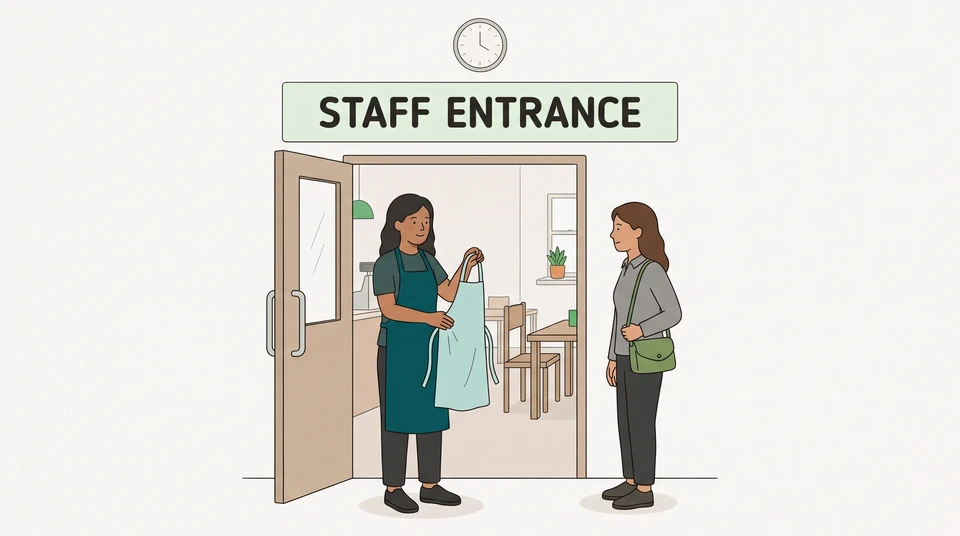
| Actual-site orientation | Opening manager Sam meets starters at the confirmed entrance and leads the walk-through. | Site access arranged with whoever controls the premises; necessary safety arrangements and supervision in place. | Starters can identify the routes and contacts explained; questions stay open for Sam. |
| Service practice | Trainer Jo demonstrates one task, then supervises practice. | Relevant area and equipment ready, necessary instruction completed, and trainer available. | Jo records what was practised and what still needs help for the manager to review. |
If the owner is also the opening manager, use their name in both rows. Keep the decisions separate even when one person owns them.
3. Separate orientation from service practice
Do not use a finished worksheet or an opening date as permission to enter an unfinished venue. The opening manager should confirm access and the arrangements for that visit with the person controlling the premises. If those arrangements are unresolved, postpone the visit and tell starters what happens next.
On the actual site, show the routes and facilities people will use—not just a floor plan viewed remotely. In Australia, Safe Work Australia’s induction guidance includes workplace hazards, safe procedures, emergency arrangements and first aid. Check your state or territory requirements; this is not a US checklist or a complete venue-safety assessment.
Keep service practice as its own step. In the cafe example, Sam can explain the service route once the area is available. Jo waits until the relevant setup and instruction are ready before asking the server to practise carrying an order. Completing introductions does not show that someone can cover that task independently.
4. Recheck late operational changes
Before the next session, the opening manager should compare the worksheet with the current plan. Has the meeting point changed? Is a route unavailable? Is the trainer still available? Does a changed task need a fresh explanation or demonstration?
For example, suppose a delivery moves the agreed meeting point. Sam updates the worksheet, contacts everyone invited and asks each person to acknowledge the new arrival details. If someone does not reply, Sam follows up directly. A changed worksheet alone is not a confirmed message.
Move only the affected work. Keep completed introductions on the record, leave the walk-through pending if access is unresolved, and agree the next contact rather than promising a new date you cannot confirm.
Keep the next step visible
Start with the worksheet and one named contact. CrewCentral Onboarding brings worker role and contact details, team-specific checklists and onboarding progress together. Hiring, onboarding, training and scheduling share the same team context, so managers can keep preparation connected to the shifts ahead. Managers still decide what needs attention; a completed task is not site-access approval or proof of independent service readiness.
If you first need a simple practice-session schedule, try the free schedule maker. It is manual and saves edits in your browser, without an account or email to start—not AI generation or shared cloud storage. Keep the access decision and the direct confirmation with the manager.