Make restaurant culture visible in everyday manager decisions
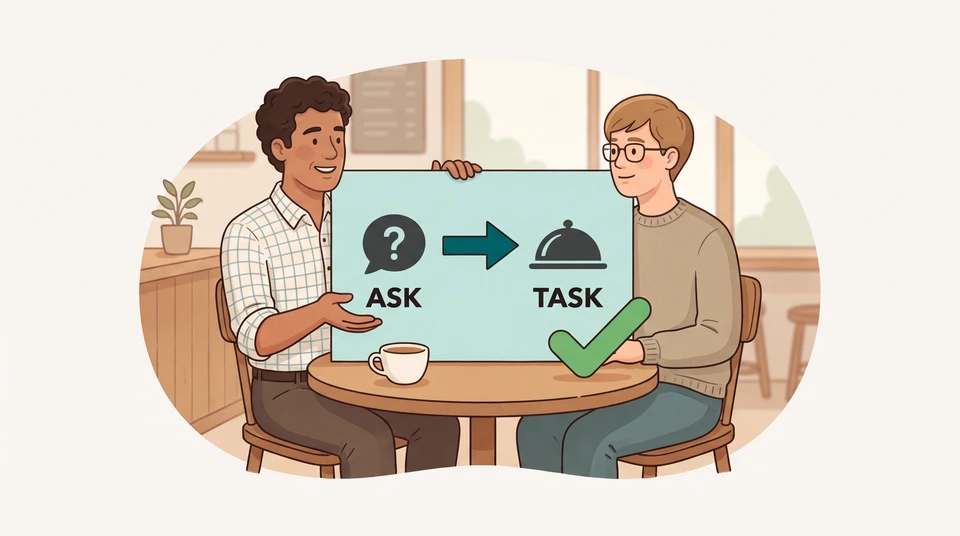
Turn one value into an action the team can see. Model asking for help during a busy handoff, then use specific feedback to change the next service.
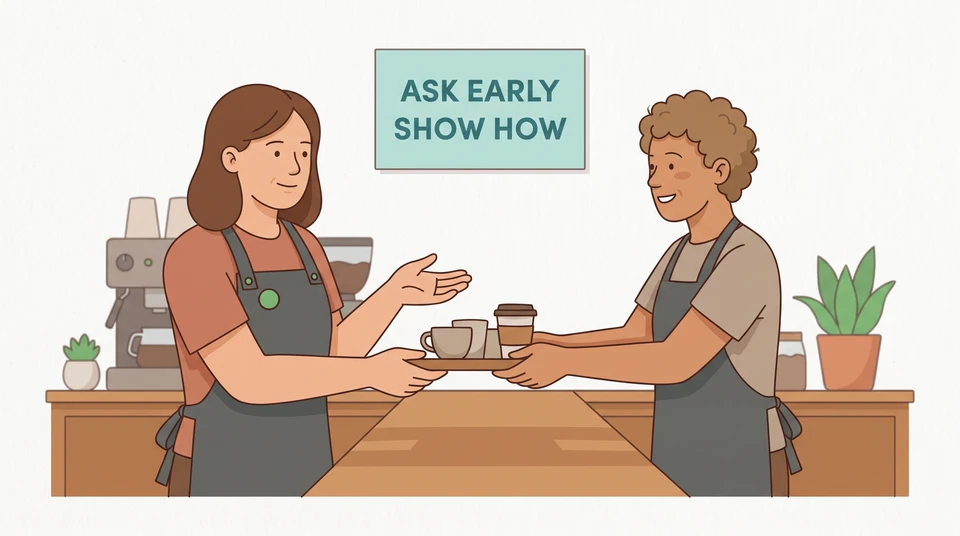
Pick one value you want your restaurant team to see, then decide what you will do when service puts it under pressure. Start with an ordinary moment: a crowded drinks counter, an unfinished handoff or someone unsure who to ask for help.
For a small team, make that decision specific enough to demonstrate on the next shift. You do not need a new handbook or software to start. A short note in your existing shift book is enough.
Turn one value into a behaviour
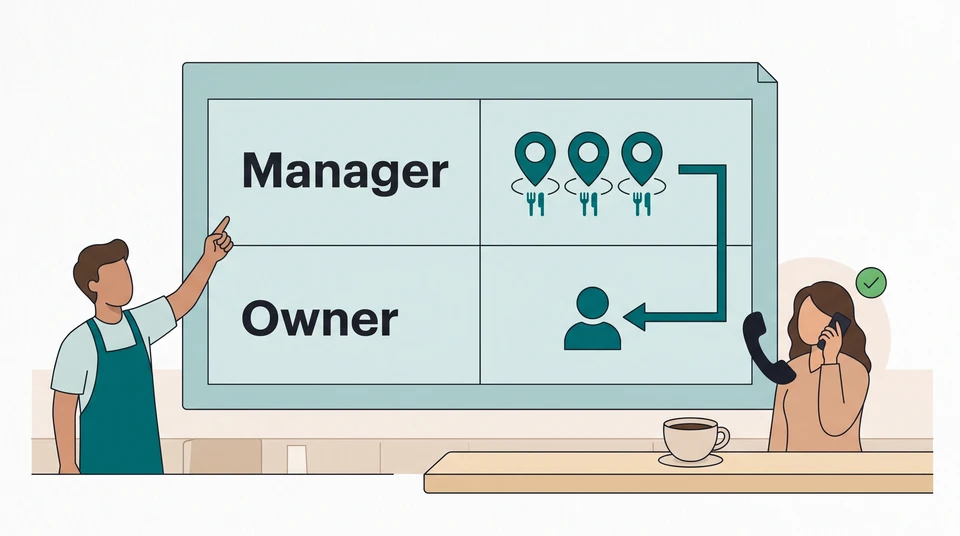
Choose a value you genuinely want to practise, not a claim about what your team already believes. If your venue has agreed values, use those exact words and check the example with the owner. Otherwise, propose one behaviour and discuss it with the team before calling it a shared value.
For example, take ask for help early. Write down four things:
- The moment: a teammate has a handoff to finish while new orders arrive.
- The action: name the unfinished task and ask the shift manager for a specific kind of help.
- The manager’s response: acknowledge the request, check who can help and explain the next step.
- The follow-through: check back rather than assuming the request was resolved.
Keep the standard for yourself, too. Australia’s hospitality leadership unit includes positive role modelling, supportive communication and seeking team feedback. Put that into practice by naming one action the team should see you take. Lead and manage people.
Demonstrate it during onboarding
Before a new starter joins service, show them who to approach and what a useful request sounds like. Use a quiet moment to act out the handoff together, rather than waiting for the first rush.
You might say:
If you need a hand, tell me what is waiting and what help you need. If I cannot help straight away, I will tell you what to do next and come back to check.
Then model the request yourself. Ask the starter to respond, swap roles and let them try it. Check whether they know who to approach when you are not the shift manager. Australia’s hospitality coaching unit covers explaining and demonstrating skills, giving colleagues a chance to practise and providing constructive feedback. Coach others in job skills.
Keep this separate from deciding whether someone can cover a role alone. Practising one conversation is not a complete training or readiness check.
Reinforce it in service: a busy handoff
Imagine a small Australian cafe during a busy lunch handoff. Manager Sam is finishing a drinks order while new starter Lee waits to learn what still needs doing. Suppose the team has agreed to try ask for help early.
Sam could silently keep working and leave Lee guessing. Instead, Sam names the gap:
Lee, I have not finished explaining the drinks handoff. Morgan, can you finish this tray while I show Lee what is still waiting?
Morgan confirms they can help. Sam hands over the tray, explains the outstanding order to Lee and checks that Morgan knows where it goes. Sam has asked for help openly rather than only telling new starters to do it.
Now suppose Lee asks for help later in the same service. Sam first acknowledges the request: “Thanks for telling me. Which order is waiting?” After checking the work, Sam names who will help and what Lee should do next.
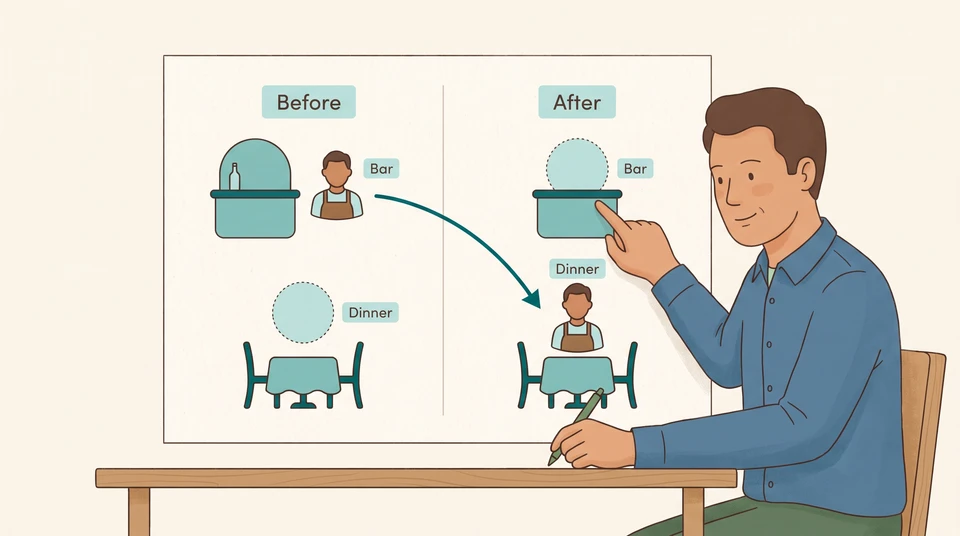
If nobody is available, Sam should not say “ask early” and then leave Lee without a response. Sam needs to choose the next step within the venue’s agreed service arrangements, explain it and check back. The conversation does not create extra capacity. If the same handoff keeps failing, the owner needs to review the workload or setup, not simply repeat the value more loudly.
Afterwards, name the action worth repeating: “You told me the handoff was unfinished before taking the next order. Keep doing that.” Avoid turning the moment into a judgement about Lee’s personality or whether they fit in.
If you dismiss a request yourself, repair it directly: “I cut you off earlier. Show me what was waiting, and let’s agree how you can get my attention next time.”
Invite specific feedback, then act on it
At a quieter point, ask the team about the moment you chose, not whether the restaurant has “good culture”. Try:
- When did you need help during that handoff?
- Was it clear who to ask?
- What did I do that made asking easier or harder?
- What should we change for the next service?
Let people speak individually if they prefer. Do not press them to agree with your account in front of the team. Choose one workable change, name who will make it and tell the team when you will check it again. If you cannot make the suggested change, explain why and discuss an alternative.
For Sam, that might mean agreeing a clearer point in the handoff for checking unfinished orders. At the next pre-service chat, Sam explains the change and asks whether it addresses the problem Lee raised. Keep personal feedback out of general shift notes; record the agreed operational change instead.
Keep the behaviour connected to the work
When hiring, describe the actual behaviour you expect rather than asking candidates to match a vague “culture fit”. During onboarding, show it. In training, practise it. Before rostering someone into a role, review their training and the support they will need. Keep demonstrating the same behaviour with experienced staff, not just new starters.
Start with the notes and conversations you already use. If you want those setup tasks together, CrewCentral Onboarding keeps new-starter role details, team checklists and progress in one place. CrewCentral Training tracks role-based training steps and manager sign-offs alongside scheduling. The manager still demonstrates the behaviour and listens to the feedback.
For a free first step with your roster, the schedule maker lets you edit manually in your browser without an account or email. Its draft stays in that browser; shared team publishing and AI roster drafts belong to the account workspace, with manager review before publishing.
Before your next service, finish this sentence: “When this happens, I will show our value by doing this.” Pick a real moment, demonstrate the action and ask the team what you should change next time.