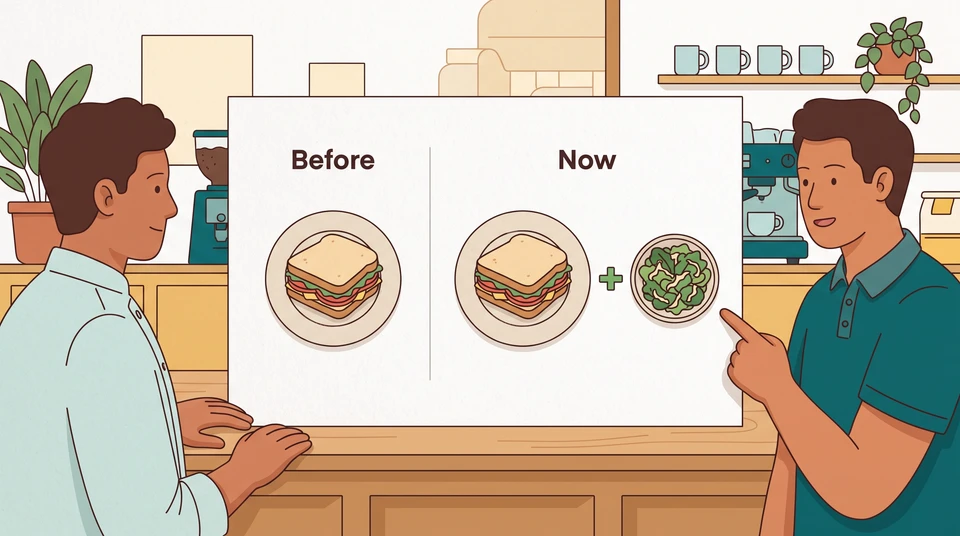
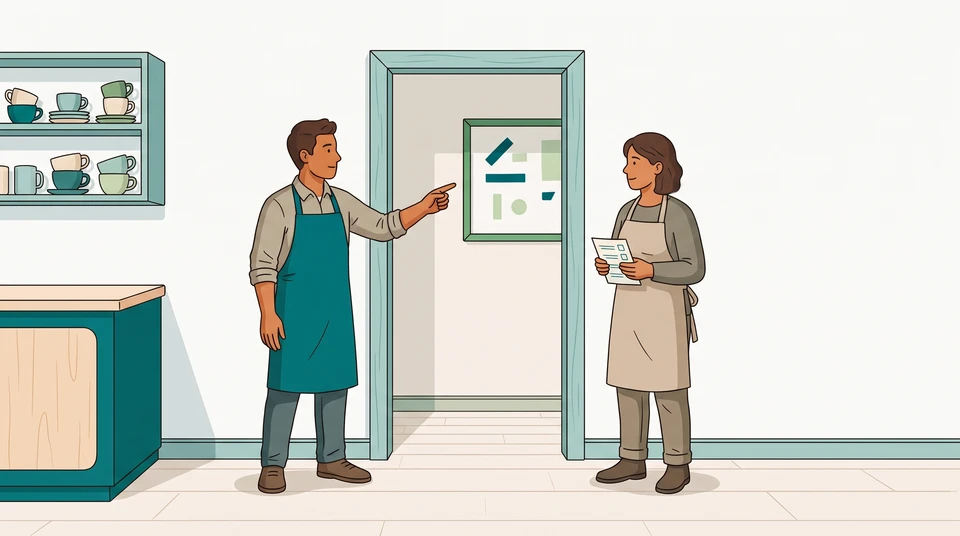
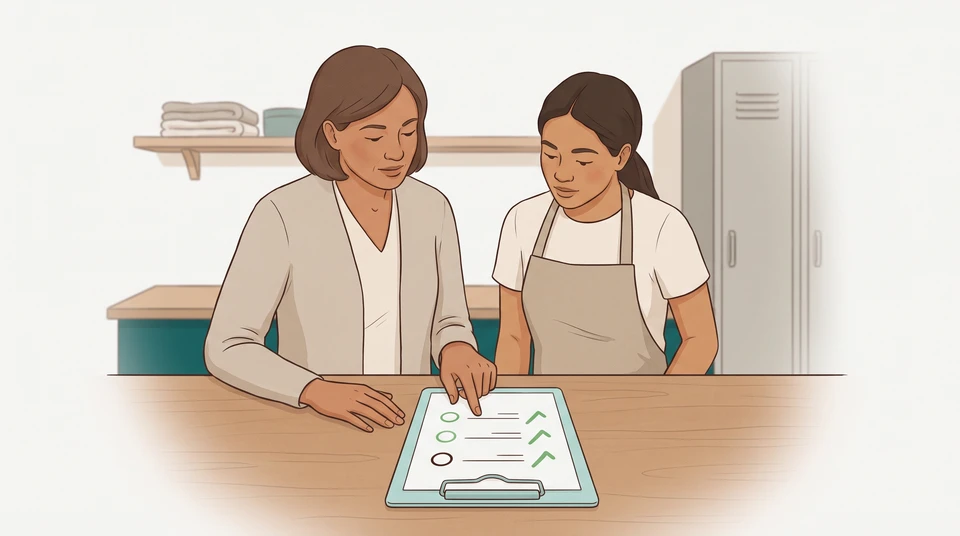
Build a restaurant manager training plan around supervised decisions
Give a new shift lead progressively larger supervised decisions, then review their reasoning, escalation and follow-through before the next responsibility.
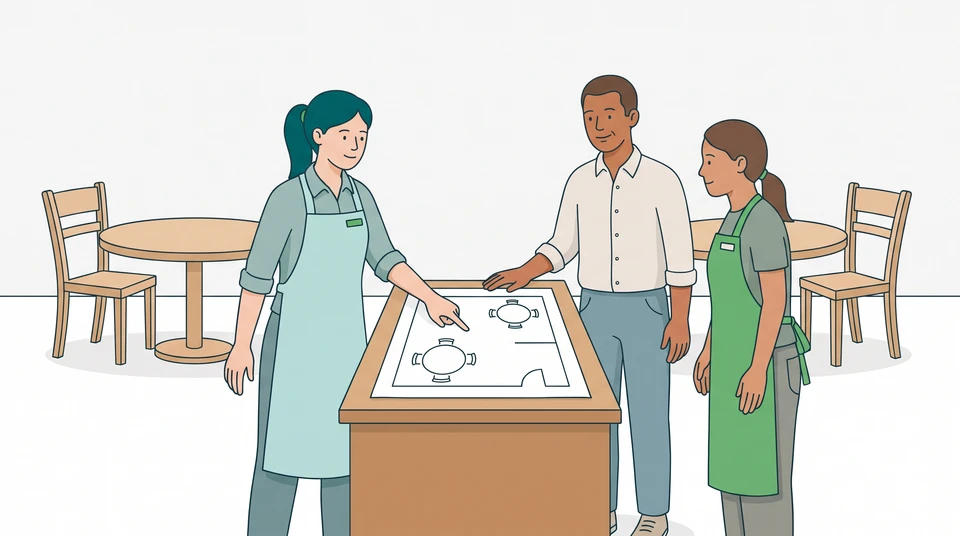
Choose the next decision your new shift lead will practise, who will watch and what would make them stop and ask for help. Build the training plan around those decisions, rather than a list of things to read.
Start with a responsibility small enough for a manager to supervise during service. Work toward a larger responsibility only after reviewing what the trainee actually did. This is a plan for learning to lead a shift, not a complete management course or certification program.
OpenTable’s restaurant management training guide recommends discussing delegation choices, practising restaurant scenarios, pairing new managers with mentors and using hands-on evaluation. Use those ideas to build a plan that fits your floor, team and decision limits.
Define the decisions they may make—and must escalate
Before practice starts, the owner and supervising manager should agree on the trainee’s permission boundary. Being an experienced server or barista is not your venue’s permission to approve purchases, change pay, discipline someone or take charge of unfamiliar safety issues. Keep those outside this exercise and name the person who handles them.
Write down four things for the first responsibility:
- The decision the trainee may make: for example, allocate routine dining-room setup tasks to people already trained for them.
- The information they must check: who is available, what each person can do and what needs finishing before guests arrive.
- When to ask: a task needs skills the available team does not have, a priority cannot be met or an unfamiliar problem arises.
- The supervisor and contact: name the manager who is present and how the trainee should get their attention.
Make the supervisor’s stopping rule explicit: they step in if the trainee misses an agreed boundary or service needs immediate intervention. Do not turn a guest-facing problem into a test the trainee must struggle through alone.
Practise delegation and handoffs with a supervising manager
Use successive practice rounds, not an automatic promotion date. At each round, ask the trainee to explain the choice before acting, then compare the plan with what happened. Keep the same named supervisor where practical so feedback connects from one round to the next.
Round 1: Allocate one routine task
Give the trainee a short pre-service window and one familiar work area. Ask them to choose who will set up the dining tables, explain the task and agree when they will check back.
The supervisor watches for a complete instruction: the person, the task, the expected finish and what to report if they cannot complete it. Ask the recipient to repeat the priority in their own words. The trainee then checks the work instead of assuming the instruction was enough.
Record the choice and any prompt the supervisor supplied. If the trainee needed help matching the work to someone’s skills, repeat this responsibility with a different available team before adding another decision.
Round 2: Reorder work when the shift changes
Before live practice, talk through a disruption using the team and tasks on your actual shift plan. Ask what stays urgent, what can wait and whose workload changes. Then let the trainee lead a short, agreed part of service with the manager alongside.
Keep the boundary narrow. The trainee can propose a different task order within the existing team, but staffing changes and exceptions still go to the supervisor. Do not assess them on an imagined option—such as another worker arriving—unless that option is actually available.
Round 3: Lead a bounded part of service
Once the earlier decisions have been reviewed, agree on a larger piece of work: for example, lead the dining-room preparation and guest welcome through the start of lunch. The supervising manager remains present and available.
Ask the trainee to brief the team, check progress, respond within their permission boundary and hand back anything unresolved. Afterward, decide whether to repeat that responsibility or extend it. Completing a round is not permission to run the venue independently.
Use a shift disruption to discuss priorities
Imagine Maya, an experienced server, is learning to lead lunch at a small restaurant. Her supervisor, Jo, is on the floor. Maya may reorder routine front-of-house tasks within the team already on shift. Jo keeps decisions about extra staffing, spending and guest exceptions.
Two booked tables arrive while Lee is still setting the last empty table. Sam, who is trained to greet and seat guests, is folding spare napkins. Maya has a choice: finish every setup task first, do the greeting herself or redirect Sam while Lee finishes the table.
Ask Maya to explain her choice before Jo offers one. A workable response is to keep Lee on the unfinished table and ask Sam to welcome the arrivals while Maya checks which tables are ready. The spare napkins can wait; guest arrivals and table readiness need attention now. Maya checks that Sam heard the request and knows to return with any seating question.
Suppose one party then asks to combine tables, and Maya is unsure whether the proposed arrangement is allowed. Her next move is not to improvise a new floor layout. She tells Jo what the guests requested, which tables are ready and what decision she needs. Jo handles the exception while Maya keeps the agreed work moving.
In the debrief, ask:
- Why did you move Sam rather than interrupt Lee?
- What did you check before directing the guests to a table?
- What made the table-change request a decision for Jo?
- Did Sam know what to report back, and did you check?
The useful evidence is Maya’s reasoning and follow-through—not whether lunch happened to feel calm.
Review observed decisions and agree the next responsibility
After practice, the supervisor should write a short observation while the details are fresh. Separate what the trainee did unaided from what happened after a prompt. Invite the trainee to explain a choice the supervisor may have misunderstood.
For Maya’s practice, the record might read:
Responsibility: coordinate table setup and welcome under Jo’s supervision. Maya redirected Sam after checking the task was familiar, left Lee to finish the table and referred the layout request to Jo. Jo prompted Maya to check back with Sam. Next practice: repeat the opening-lunch responsibility, with Maya setting her own check-back point. Jo remains on the floor.
Keep these fields in your own plan:
- Responsibility practised and permission boundary.
- Decision observed, including the trainee’s reason.
- Supervisor prompts or intervention.
- Feedback and one point to practise again.
- Next supervised responsibility, named supervisor and agreed practice shift.
A confident explanation without follow-through calls for another observed attempt. So does a good result reached by crossing the permission boundary. If there is no manager available to supervise the next practice, keep the trainee within responsibilities already agreed rather than leaving the plan to run itself.
Keep the plan beside the shifts it affects
A shared document is enough to start. Before the next schedule is assigned, the owner and supervisor should check the observation and agree what the trainee may cover, with whom and under what limits.
CrewCentral Training keeps role-based training steps, progress and manager sign-offs beside scheduling. Hiring, onboarding, training and scheduling share team context, so keep this plan connected to the role the person is learning. A completed step is not permission to make decisions outside the boundary you agreed; CrewCentral does not verify certifications or licences.
Start by choosing one supervised responsibility for the next suitable shift. Write the permission boundary, name the manager and book the debrief before adding more.