Write a bartender job description around the shift you need covered
Separate opening readiness from supervised peak service. Adapt a bartender job description with clear ticket ownership, payment limits and manager backup.
Decide which bar shift you are hiring for before you write the skills list. Do you need someone who can prepare the station for opening, someone who can make drinks during a supervised rush, or both?
Those are different expectations. Put the work, the support and the decision limits in the bartender job description. Then applicants can discuss the job you actually need covered, rather than an unexplained request for an “experienced all-rounder.”
Use the editable sample below in a document you already have. You do not need hiring software to adapt it.
Define your service model first
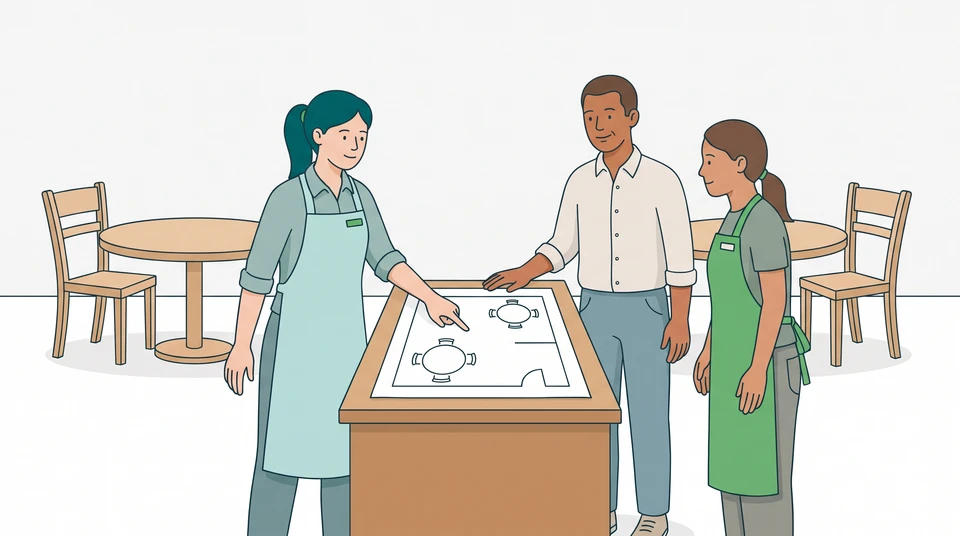
Walk the bar with the person who runs the shift. Decide whether this bartender serves guests at the counter, makes drinks from servers’ tickets, or handles both. Name who collects finished drinks and who covers the station during breaks.
The US O*NET bartender profile includes drink preparation, orders from guests or serving staff, cleaning, stocking and payments. It also includes broader management work. Use it to check for missing duties, not as a list every bartender must own.
If your manager orders stock and sets the drinks menu, leave those jobs with the manager. If this hire really will lead the bar, describe that responsibility and the authority that comes with it. Do not hide a second job inside “other duties as required.”
For each part of the shift, write down the boundary:
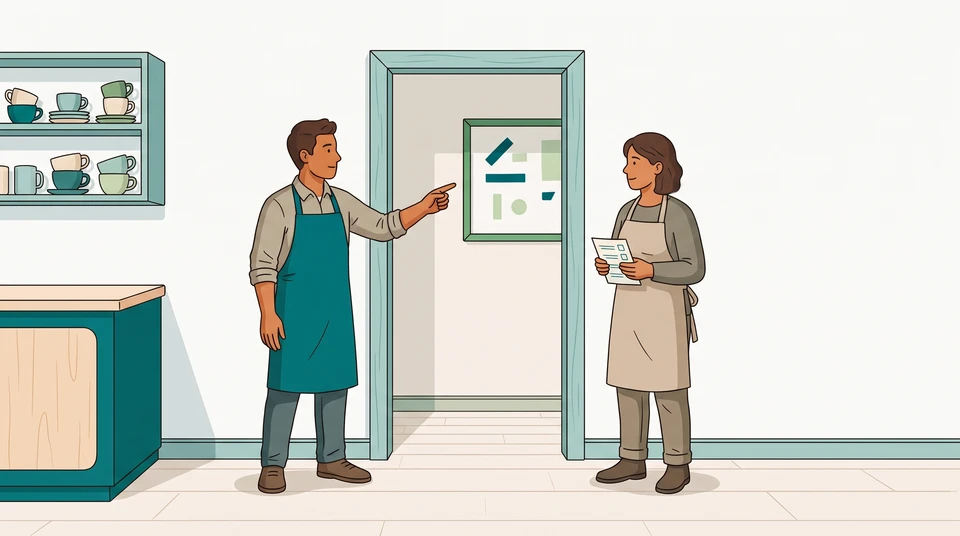
- Before service: which ingredients, glassware and equipment does the bartender check, and who decides whether the station is ready?
- During service: who receives drinks tickets, who decides priorities when orders clash, and who takes drinks to tables?
- At close: what does the bartender clean, count or report, and what does the manager check or authorize?
Separate opening readiness from peak-service support
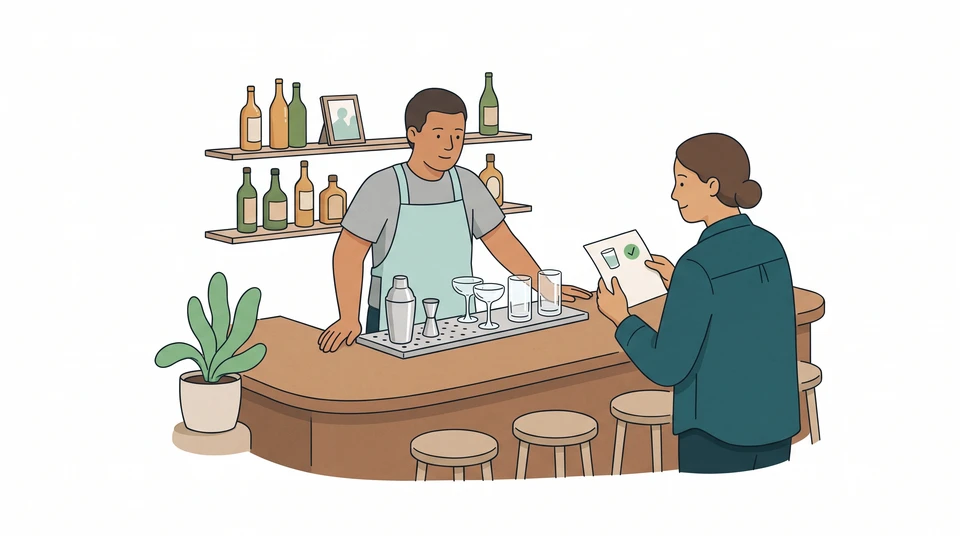
Imagine a small cocktail bar with counter guests and a few tables. The bartender makes the drinks; a floor colleague takes table orders and collects them. The manager is on site for service decisions and backup. These are example choices to adapt, not promises about your venue.
The manager needs this hire to prepare the station without step-by-step direction once they know the house routine. During the busiest service, the manager will work alongside them. The job description should say both things.
Suppose a server’s drinks ticket arrives while a counter guest asks for a cocktail and a payment needs attention. In this example, the bartender receives the ticket and follows the agreed order sequence. They flag the growing queue to the manager rather than silently choosing a new priority rule. The floor colleague collects the table drinks; the bartender does not leave the station to deliver them.
The bartender can take ordinary payments after learning the venue’s process. Refunds, discounts and disputed bills go to the manager. Before a break, the manager names who will receive new drinks orders. That is the kind of boundary an applicant can ask useful questions about.
Do not treat opening alone at the station as permission to run the whole venue alone. For this example, the manager remains on site. If your vacancy involves a different support arrangement, rewrite the description before advertising it.
Adapt this bartender job description
Replace every square-bracketed field with confirmed venue details. The sample separates station work from manager decisions; keep that division only if your venue can deliver it.
Editable bartender job description. Edit the sample text below for your venue. Replace the bracketed fields and save your finished version in your own document before leaving. Changes on this page are temporary.
Bartender — [venue name], [location]
The shift: You will prepare and run the drinks station at our [small cocktail bar or actual service model]. You will serve counter guests and make drinks from floor-service tickets. [Floor colleague role] takes table orders and collects finished drinks. You report to [bar manager role], who is on site for backup.
Working details: [Employment type]. [Days and shift windows, including preparation and closing work]. [Confirmed pay details for this vacancy]. [Benefits actually offered, or remove]. [Application deadline, if any].
Before service
- Check the station’s ingredients, glassware and equipment against [the venue’s opening list]. Complete the assigned preparation and tell the manager about shortages or faults before service.
- After learning our opening routine, prepare the station without step-by-step direction. The manager confirms readiness before opening; do not work around equipment faults.
During service
- Prepare drinks using our recipes and agreed methods. Receive floor-service tickets at [actual ticket point] and counter orders through [actual method].
- Follow the agreed order sequence. Tell the manager when requests clash or the queue needs support; the manager decides exceptions and arranges help.
- Keep the station clean and replenish assigned supplies. [Named role] covers drinks orders during breaks or work away from the station.
- Take ordinary payments using the process we teach. Ask the manager to authorize refunds, discounts and disputed bills; do not promise an adjustment yourself.
- Follow the venue’s service procedures and call the manager for an uncertain service decision, guest concern or unsafe situation. [Insert only confirmed location-specific role requirements and support arrangements before advertising].
At close
Clean and reset the assigned station, record shortages and report unfinished work or faults. Complete [specific stock or payment records assigned to this role]. The manager handles [cash reconciliation, stock ordering and final venue checks, or actual division]. Do not assume this role locks up the venue.
Needed before starting
Ability to follow a drinks recipe, measure consistently, keep track of orders and explain when help is needed. [Add specific prior cocktail-service or opening experience genuinely needed for these shifts; otherwise remove]. [Add confirmed requirements for this role and location, if applicable].
What we will teach and support
[Trainer role] will teach our drinks list, station layout, ticket sequence, payment process and opening and closing routines. Initial peak shifts will be supervised by [manager role]. The manager will check readiness for assigned opening tasks before scheduling them without step-by-step support. [Confirm this support is available or rewrite].
How to apply
Send [relevant experience or information actually needed] to [application destination] by [date, or remove]. Tell us which listed shift windows you can consider. Contact [hiring contact and channel] with questions about the work or support available.
Check these four choices before you post
- Opening: keep “without step-by-step direction” only if you need that capability. If you can teach opening alongside the manager, say so and change the starting requirements too.
- Tickets: replace both order points with your actual process. Confirm who collects table drinks; do not quietly add floor service to the bartender’s station duties.
- Payments: have the manager check the authorization boundary. Taking a payment and approving a refund are separate responsibilities in this sample.
- Local details: have the hiring owner confirm pay, terms and any alcohol-service requirements for the venue’s location, then fill the placeholders. Do not copy a US requirement into an Australian ad, or the reverse, without checking the applicable local authority.
Keep entry requirements smaller than the training plan
For each “essential” skill, ask what the person must do before you can teach the house routine. If you need opening experience, name the preparation they must already handle. Avoid replacing that explanation with an arbitrary number of years.
Put your recipes, station layout and ticket process in the training section when someone will teach them. Do not promise supervised peak shifts unless a manager can actually cover them. A short drinks list does not remove the need to check how a new starter handles competing orders.
Carry the same role into interviews and first shifts
Use the counter-order and server-ticket example in the interview. Explain your support arrangement first, then ask: “What would you keep track of, and when would you call the manager?” Ask separately about preparing an opening station. A confident answer about a busy service does not establish readiness to open it.
When you choose someone, give the first-shift manager the agreed duties, shift windows and tasks that still need supported practice. Keep those limits visible when scheduling. Hiring, onboarding, training and the roster should describe the same job.
You can keep that context in your own documents. If you want it together, CrewCentral Hiring organizes candidates around roles and carries the person you choose into onboarding. Your team reviews candidates and makes the hiring decisions. Hiring, onboarding, training and scheduling share team context; the bar’s orders and payments still follow your venue’s own process.
Before advertising, read the description as an applicant: can you tell what you own at the station, which decisions need the manager and what support will be there on the shift?