Restaurant interview questions tied to real shift situations
Choose three real shift situations, ask useful follow-ups and keep clear manager notes. After hiring, turn teaching needs into a practical first-shift handoff.
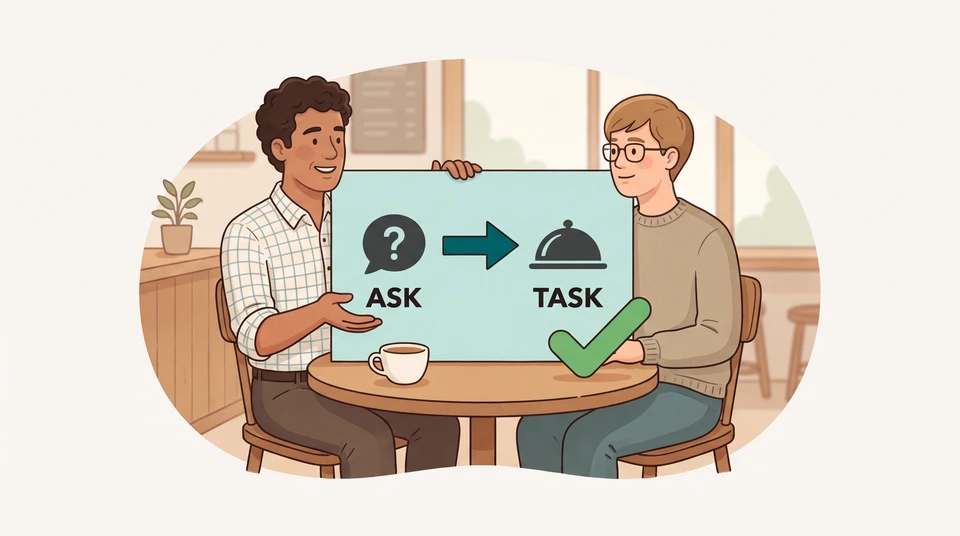
Before your next interview, write down three things the person will actually need to do on shift. Then ask about a situation for each one, note the actions they describe and follow up on anything unclear.
You can do this on paper. You don’t need a long question bank, a candidate score or new software. The aim is a useful conversation about the work—not a test of who has rehearsed the smoothest answer.
Choose job-related criteria before writing questions
Start with the role you are hiring for, not a list of personality traits. For a restaurant floor role, your criteria might be:
- Guest communication: explain what you know, check what you don’t and bring in the right person.
- Handoffs: tell a teammate what is still open and confirm who will take it.
- Changing priorities: explain what needs attention and ask before leaving an assigned task uncovered.
Decide what the person must already be able to do and what you are prepared to teach. If your venue’s payment system is new to them, keep that separate from their explanation of how they would handle a guest’s question.
Use the same core situations for everyone interviewing for that role. Give each person the same starting information, with room to clarify the question. Someone new to restaurants can talk through the situation or draw on another relevant setting; don’t require a restaurant story if previous restaurant experience isn’t a requirement you set for the job.
Keep questions about the work
For US employers covered by the relevant federal rules, the EEOC’s pre-offer guidance distinguishes asking how someone would perform specific job tasks from asking about disability or family medical history. Keep your situations focused on those tasks. Check the rules that apply to your business, including state and local requirements, before using an interview template.
For Australian venues, Fair Work’s discrimination guidance covers prospective employees as well as existing staff, including discriminatory decisions not to hire. Check the applicable federal and state or territory requirements rather than treating a US question list as an Australian legal checklist.
As a practical starting point, describe the actual shifts and ask whether the person can work those times. Don’t ask them to explain family arrangements, health or other private circumstances. If they raise an adjustment or an issue you are unsure how to handle, pause and get appropriate advice rather than improvising a decision.
Ask three situations, then follow the answer
Use these as starting points. Replace the details with work the advertised role really includes, and explain your venue’s arrangements where the answer depends on them.
1. A guest needs an answer you don’t have yet
Ask: “A guest says their order hasn’t arrived. You haven’t checked its status yet. What would you do first, and what would you say to them?”
Why ask it: This gives you a way to discuss checking information and updating a guest without promising something the team hasn’t confirmed.
Listen for: The person describes acknowledging the guest, finding the order’s status and returning with an update. They can explain when they would ask the shift manager for help.
Follow up: “Suppose you check and still don’t have a reliable arrival time. What would you tell the guest now?”
Don’t treat a particular phrase as the correct answer. Ask what they mean by “sort it out” or “speak to the kitchen” so you can understand the steps they have in mind. Explain any venue-specific communication or payment limits rather than expecting them to guess.
2. An unfinished guest issue needs a handoff
Ask: “You’re moving to another assigned task, but a guest is still waiting for an update. What would you tell the teammate taking over, and how would you check they’ve taken it?”
Why ask it: This moves the conversation beyond “I’m a team player” to a specific exchange between two people.
Listen for: They identify the open issue, what has already been checked, what the guest has been told and who will give the next update. They describe getting a response, not just leaving a message.
Follow up: “What would you do if that teammate couldn’t take it?”
Give them your fallback arrangement—for example, returning to the shift manager—then ask them to talk through the next step. Don’t assume another employee is available simply because the scenario needs help.
3. Two tasks need attention at once
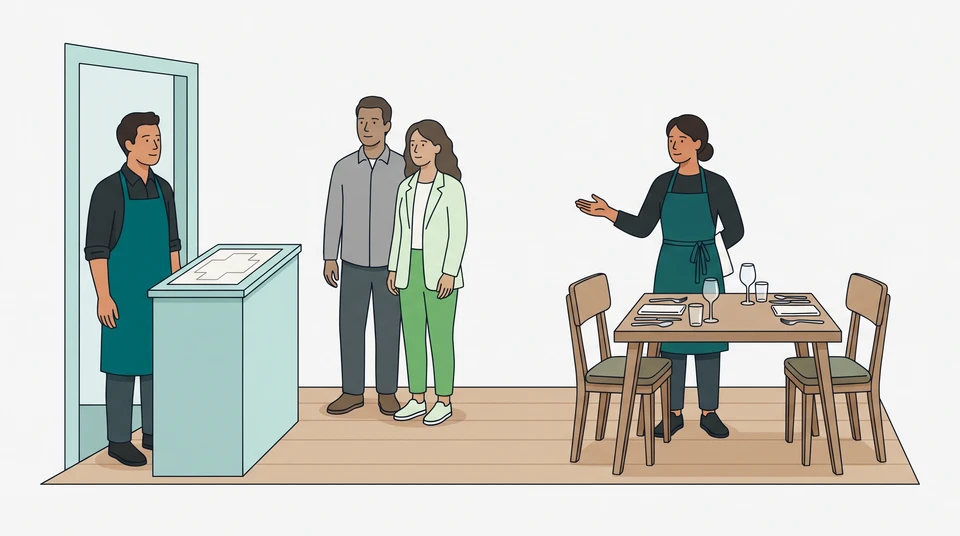
Ask: “You’re assigned to greet arrivals. A teammate asks you to clear a table while another party arrives at the door. How would you handle the two requests?”
Why ask it: You can discuss how the person checks priorities without quietly abandoning their starting position.
Listen for: They acknowledge both needs, explain the coverage problem and describe checking with the teammate or manager before changing jobs. A useful answer may begin with a question about who else is covering the entrance.
Follow up: “The manager asks you to stay at the door. What would you say to the teammate waiting for help?”
These are conversation prompts, not personality tests or proof of future performance. Ask for clarification where needed, and leave time for the applicant’s questions about training, support and the shifts on offer.
Record evidence, not an impression
Imagine a small restaurant hiring for a floor role. The hiring manager, Sam, uses the three situations above. In this hypothetical interview, the applicant describes checking an order before giving an update, but says only “I’d tell someone” when asked about a handoff.
Sam doesn’t write “poor communicator.” Sam asks who would receive the handoff, what they would need to know and how the applicant would check that someone had taken responsibility.
A short note could look like this:
- Task discussed: handing over an unresolved guest update.
- Answer described: would pass it to another teammate; needed a follow-up to explain who would update the guest.
- Still unclear: how they would confirm the teammate had taken the task.
- Next action: ask them to talk through the handoff with the venue’s actual backup arrangement.
Keep a clear distinction between what the person said, what you asked next and what remains unknown. A polished explanation is still an interview answer, not an observed shift. Don’t turn these notes into automatic candidate scores, rankings or hiring recommendations. The hiring manager reviews the job-related information and makes the decision.
Keep applicant records within your existing authorized hiring process, with access limited to the people who need them. Don’t paste applicant answers, personal details or sensitive information into an AI prompt to have it judge the person.
Carry training needs into the accepted-hire handoff
Once someone accepts the role, give the first-shift manager the practical teaching points they need—not a vague label from the interview.
Suppose the person in the example is hired after the manager finishes the hiring process. Sam could hand over:
Practise handing over an unresolved guest update. Show what information to pass on, ask the starter to talk through an example and check that they confirm who owns the next update.
Name who will teach it and when they will check back. If Sam also runs the first shift, put the same task in Sam’s own preparation notes. Don’t mark it complete just because the applicant discussed it in an interview. Australia’s Fair Work hiring guidance also recommends discussing training needs and making a plan together early in employment.
If you use CrewCentral, Hiring keeps candidates and role details organized and carries the person you choose into onboarding. Your team makes the hiring decisions. Use onboarding checklists for setup tasks and role-based training steps for the work a manager still needs to teach and review before assigning independent coverage. Have the manager check those steps when planning shifts; an interview answer isn’t a training sign-off.
Start with your next open role: choose three real shift situations, write one follow-up for each and leave space for the actions the applicant describes. You can keep the notes on paper today, or explore CrewCentral Hiring if you want candidate and role context together.