Onboard an existing employee at a second venue
Keep familiar role knowledge. Explain the local entrance, shift lead and opening routine before an employee covers the other venue.
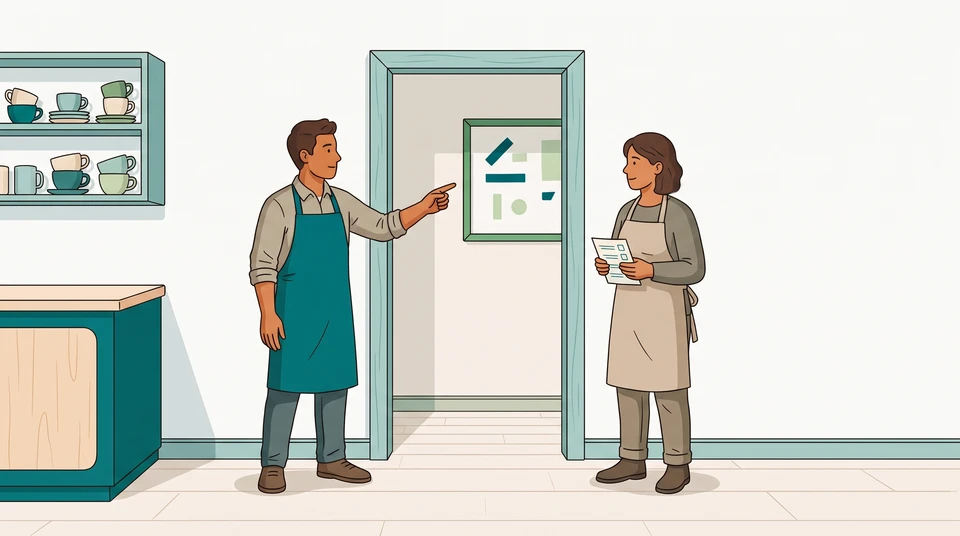
Before an experienced employee covers another venue, make a short list of what changes there. Keep the role knowledge they already use. Explain the local entrance, the person leading that shift and how the team gets ready to open.
The useful question is not “Have they been onboarded?” It is “What do they need to know to work at this venue today?”
Separate shared knowledge from local differences
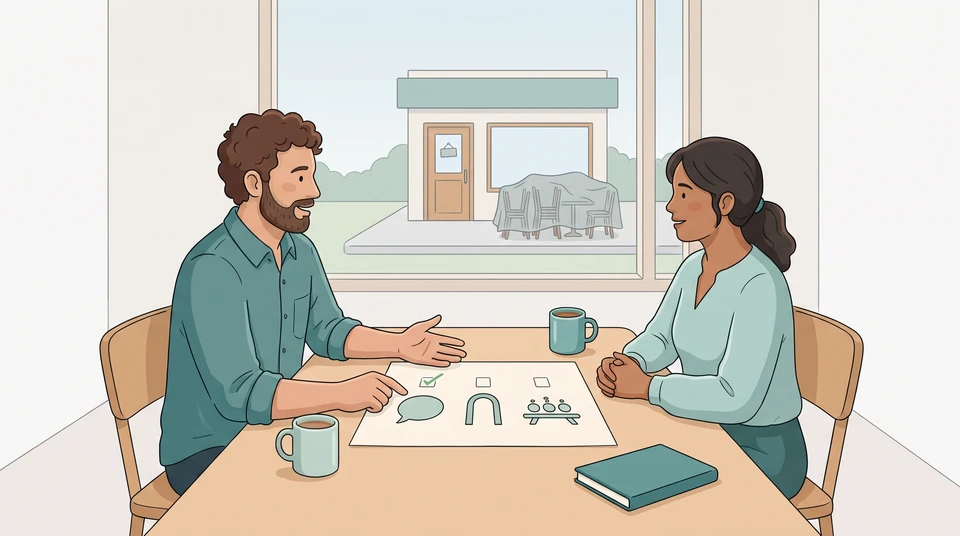
Start with the employee and the managers of both venues. Confirm which tasks the employee already does, then ask the receiving manager what is different at their site. A familiar job title is not proof that the equipment, setup or responsibilities are the same.
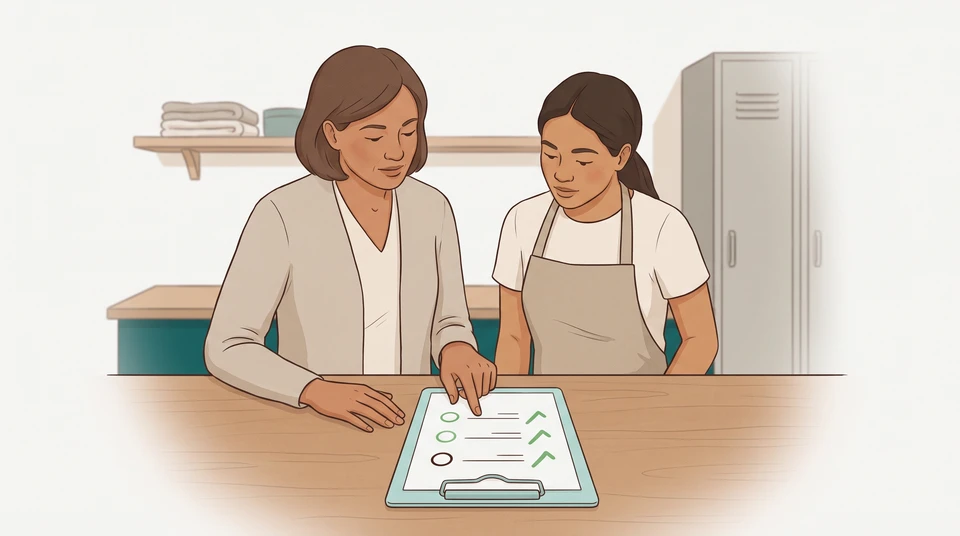
Use a shared-versus-local note rather than restarting the whole new-hire checklist:
| Keep as a starting point | Explain or check at this venue |
|---|---|
| Familiar role tasks | Different equipment, layout or task steps |
| Shared service expectations | Where orders, stock and service questions go |
| Existing team knowledge | The local shift lead and backup contact |
| Known opening tasks | This venue’s opening order and briefing routine |
Treat the first column as a conversation, not an automatic sign-off. If the employee is unsure, explain again. If a task or piece of equipment is unfamiliar, arrange the training and supervision it needs before they do it. A venue tour does not establish proficiency.
This note assumes the manager has already confirmed the employee can work the shift. If the venues have different legal employers, or the move changes duties or employment terms, ask the person responsible for employment arrangements to confirm those details before scheduling the cover.
Confirm local contacts and access
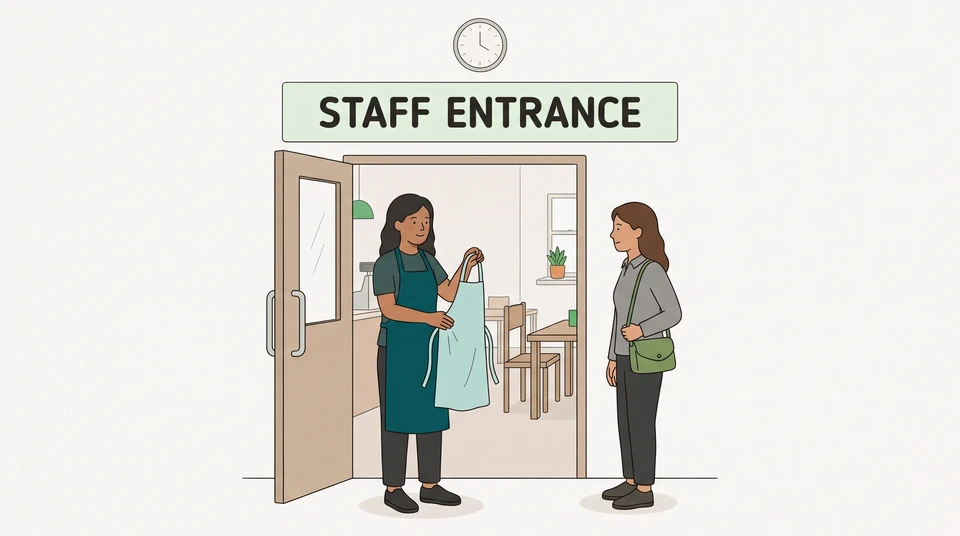
The receiving manager should give the employee the exact venue address, staff entrance, shift time and local lead’s name. Check who will actually be there to meet them—not just who normally manages the venue. Name a backup if the lead is delayed.
Then walk the route together when the employee arrives. Point out where belongings go, where to find work supplies and who answers questions during service. New York City’s restaurant onboarding playbook recommends a restaurant tour and coworker introductions. For an existing employee, use that idea to explain this location rather than repeat the company introduction.
Keep access personal. Have the authorised manager arrange any access the employee needs; do not solve a missing login by sharing someone else’s password. Give the local lead only the information needed for the shift, not a copy of the employee’s whole HR file. NIST’s small-business privacy guide recommends reviewing unnecessary data sharing and controlling device access. In Australia, check the limits of the employee-records exemption, especially before sharing records outside the employer.
Explain venue routines
Ask the local lead to explain the opening sequence in the place where it happens. Show where the team checks opening notes, how they flag a missing item and who decides what to do next. Use the communication routine this venue actually follows.
Make local safety part of that walk-through before the relevant work starts. Show the hazards, safe procedures, emergency routes, assembly point and first-aid location. Australia’s Safe Work Australia induction guidance covers these topics. Check the requirements that apply in your state or territory; this short orientation is not a complete safety or food-handling programme.
An opening shift at the sister cafe
Suppose Alex usually opens Harbour Cafe and is covering an opening shift at its sister venue, Market Cafe. Alex knows the usual coffee-service tasks. The receiving manager still checks whether Market’s equipment and opening steps are familiar.
The managers prepare this note with Alex:
| Item | Market Cafe plan |
|---|---|
| Shared starting point | Alex’s usual coffee-service tasks; check any differences before work |
| Arrival | Use the staff door off the courtyard, not the customer entrance |
| Local lead | Meet Priya, who is leading that opening shift |
| Opening communication | Read the opening board with Priya before setting up; raise missing items with her |
| Local safety | Priya walks through the site’s hazards, emergency arrangements and first-aid location |
| Still unresolved | Where does the reserve oat milk go when a delivery arrives? Priya checks with the stock owner before Alex handles it |
Priya also names the duty manager as the backup contact. If the storage question is still open, Alex asks Priya rather than guessing or following Harbour’s layout.
Put required orientation on the work plan, not into an unpaid “come early” request. In Australia, the Fair Work Ombudsman says job-related employee training must be paid. For US employees covered by the FLSA’s hours-worked rules, required job-related orientation does not meet the ordinary four-condition training-time exclusion. Check applicable pay, travel-time and state or local rules before arranging the shift.
Review remaining uncertainties
Before the employee starts an unfamiliar task, the local lead should ask them to explain where they will go, who they will ask and what they will do if the opening plan changes. Clear up any safety or task-readiness gaps first. Leave routine questions with a named person and a point when they will answer them.
After the shift, the receiving manager should ask: “What was different from your usual venue that we hadn’t explained?” Update the local note for the next cover shift. Keep unresolved items visible; attending the orientation is not a training sign-off.
If your team needs one place for role details, team-specific checklists and onboarding progress, explore CrewCentral Onboarding. Hiring, onboarding, training and scheduling share team context, while managers still need to check the local arrangements. Start with the page’s “Get started for free” option; keep contracts, payroll and background checks separate.