Brief restaurant staff on a menu change before service
Compare one changed menu item, confirm price and availability, then listen to staff explain the option and escalate an unanswered question.
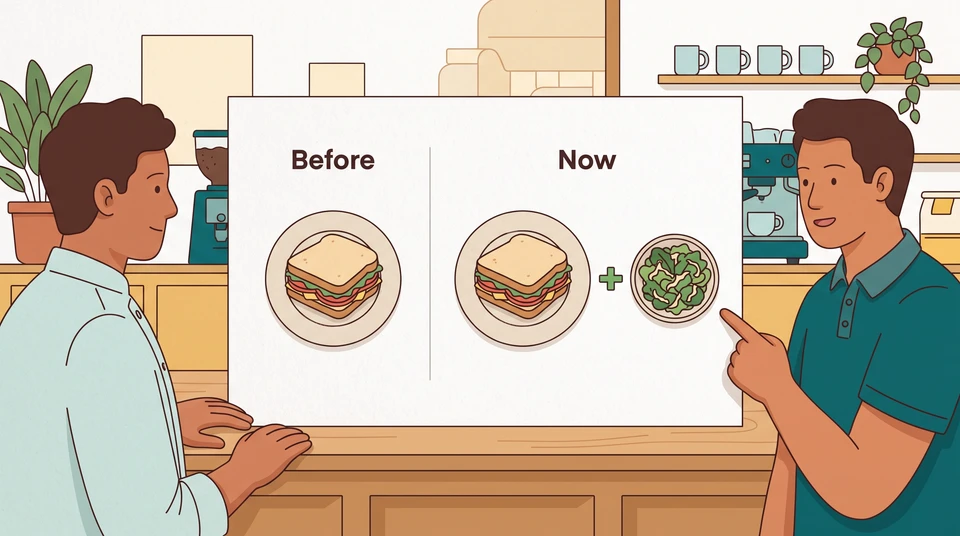
Before service, put the old and new menu information side by side. Ask each person who will explain the change to a guest to try that explanation, then check what they will do with a question they cannot answer.
Keep the briefing small: one changed item, the information behind it and one observed check. You do not need a new training system to start.
Identify exactly what changed
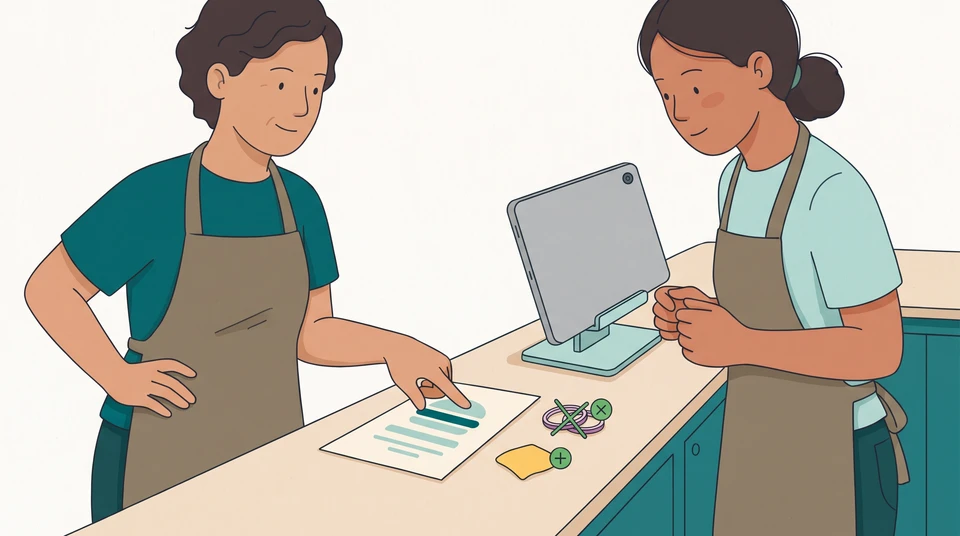
Ask the chef or person responsible for the recipe to confirm the current ingredients, preparation and relevant allergen information. Have the service manager confirm the selling price, when the change starts and what is actually available. In a small cafe, one person may own both jobs; name them on the briefing note.
Use the approved recipe and current supplier information, not someone’s memory of last week’s dish. If those disagree with the menu, resolve the difference before asking staff to explain it. Keep ingredient and allergen information together with your venue’s existing allergy procedure.
Imagine a cafe adding an optional salad side to its lunch sandwich. The sandwich itself is unchanged. The chef has approved the side’s recipe and checked its ingredient information; the manager has confirmed the price and lunch availability. Here is the short comparison the manager could prepare:
Put the actual menu names, price, start date and responsible person’s name on your own note. This example leaves those details for your venue to fill in; it is not a recipe or a suggested selling price.
Explain the customer-facing difference
Show the team what stays the same before introducing the extra choice. In this example, staff should not imply that the salad now comes with every sandwich or that the sandwich price includes it.
The manager can model a short explanation:
The lunch sandwich is still available on its own at the usual price. Today you can also add the salad side for an extra charge. Would you like me to explain that option?
Then have the server repeat the explanation using the actual extra price. Ask them to point to the current menu or briefing note they would check if unsure.
Australia’s hospitality unit Provide advice on food covers current menu knowledge, clear customer explanations and advice that accounts for price and dietary needs. Use those as useful briefing prompts, not as a claim that this short session awards a qualification or meets every local requirement.
Practise likely questions—and the point to stop
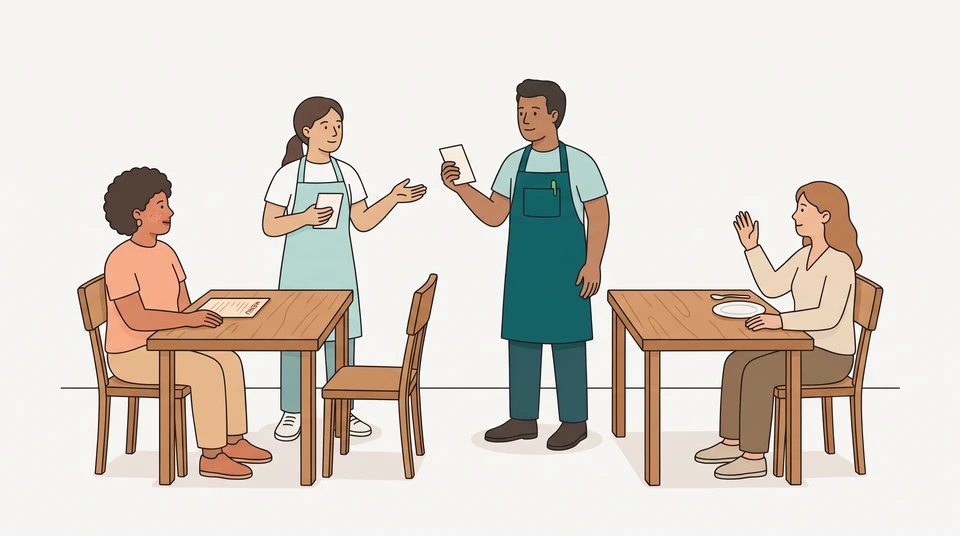
Ask another team member to play the guest. Keep the first questions close to the change:
- “Does the salad come with the sandwich?” The server explains that it is optional and gives the confirmed extra price.
- “Can I still order just the sandwich?” The server explains the unchanged option.
- “Is the side still available?” The server checks the current availability with the manager rather than relying on the opening briefing.
- “Can I have it with my food allergy?” The server follows the venue’s allergy procedure and brings the question to the responsible person. They do not guess from the name, appearance or an ingredient omission.
For an unanswered question, give staff words they can use:
Let me check that with our manager before I advise you.
Ask who will take the question, where that person will check the information and how the answer will get back to the guest. If the manager cannot establish an answer, staff must not turn uncertainty into reassurance.
FSANZ’s food-service guidance calls for accurate, current allergen information and staff training in allergen risks and communication. This briefing is not a replacement for your venue’s allergen-management arrangements. In the US, check your local food authority’s requirements: the FDA Food Code is a model used by jurisdictions, not one rule automatically applying to every restaurant.
Confirm understanding before service
Have each person who will sell the changed item explain the option while the manager listens. Check whether they distinguish the base item from the extra, state the right price, check availability and stop at an unresolved question. A nod at the briefing is not the observation you are looking for. Australia’s hospitality unit Coach others in job skills includes explanation, practice, feedback and follow-up; use those steps to structure this small check, not to certify a whole role.
Suppose a server describes the salad as included. Correct that one point, show the comparison again and ask for another attempt. If they still need help, arrange a supervised explanation rather than marking them ready because service is starting.
Record a short, specific note:
Lunch-side update, current menu version: server explained the optional extra and price after one prompt. Allergy question referred to the manager without a guess. Next: manager to observe another explanation before independent selling of the new option.
Give later starters the same current note and check. If the side sells out or its recipe changes, the responsible manager updates the information and tells the affected team what changed. Do not let an old briefing become today’s answer.
Keep this check about explaining the menu change. Learning how to enter an extra in your POS is a separate task, using your provider’s approved practice setup—not a live customer order as a rehearsal.
Start with a paper comparison and a manager’s observation. When you want to keep role-learning steps, progress and manager sign-offs beside scheduling, explore CrewCentral Training. Hiring, onboarding, training and scheduling share team context; the manager still checks the work and decides the next step. CrewCentral does not verify certifications or licences.