Create a restaurant employee referral process with clear next steps
Give staff one opening to share, let candidates apply directly and name the manager who will reply. Includes a practical two-referral server example.

Give your team one vacancy to share, one way for interested people to apply and one manager to contact. A staff introduction should open a conversation—not promise an interview or put a friend ahead of other applicants.
A restaurant employee referral program can start with a short message about a real opening. You do not need to start with rewards or a complicated scheme. Here is a practical process for a restaurant, cafe or bar.
Share the same vacancy details with everyone
Before asking for introductions, the hiring manager should confirm that the vacancy is open. Write a short role summary with:
- The job title, venue and main duties.
- The shifts you need covered and the employment arrangement on offer.
- The experience or skills genuinely needed for the work.
- The application route, closing date if there is one and hiring manager’s name.
- The pay information required for your location and anything else candidates need before deciding to apply.
Use the same summary in your team message and other recruitment channels. If the required shifts change, update both rather than letting friends hear a different version of the job. Check local job-ad requirements before sharing it.
Ask staff to pass along the opening, not to decide which friends deserve consideration. Avoid requests for someone “young”, “like us” or from a particular background. In the US, the EEOC warns that recruitment practices, including reliance on word of mouth, can be discriminatory. Federal coverage depends on the law and employer size; state and local laws may also apply.
Let the candidate express interest directly
Give staff a vacancy link or hiring contact they can share. Ask the interested person to apply themselves, using the same route available to other applicants. They can then choose what to send and ask the hiring manager their own questions.
Do not ask team members to drop friends’ phone numbers or résumés into the staff group chat. If a team member offers to make an introduction, ask them to check that their friend wants it first. Keep application details with the people handling hiring, not the whole team.
If someone comes into the venue during service, tell them where to apply and who will respond. An introduction at the counter should not turn into an improvised assessment while the manager is serving customers.
Treat these as practical privacy habits, not a guarantee of legal compliance. Australian venues should check whether the Privacy Act covers their business. Where it applies, do not assume the employee-records exemption covers applicants: the OAIC explains that it does not cover future employment relationships.
Name the hiring owner and the next step
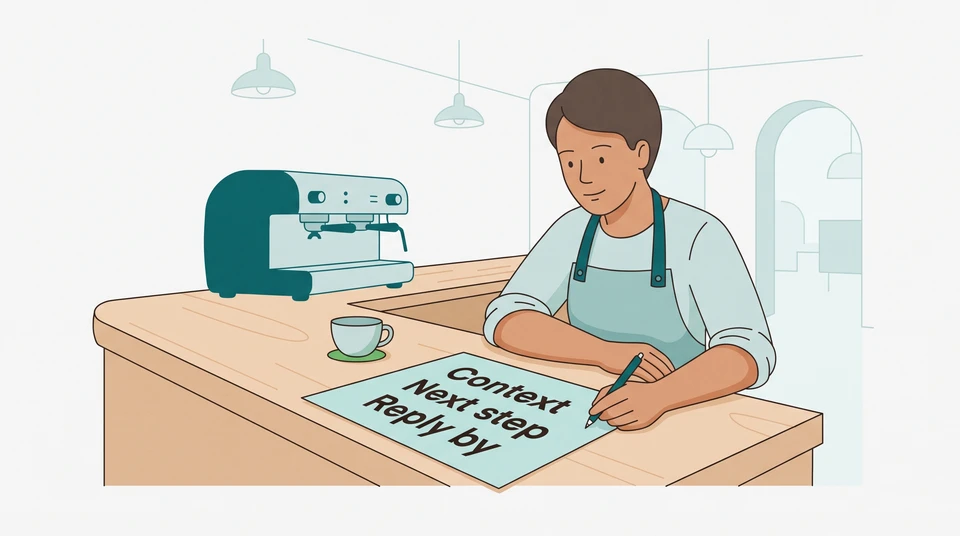
Choose the manager who will check applications and reply. Tell candidates what that person will do next and give a response date the manager can realistically meet. This is a date for an update—not a promise of an interview, offer or start date.
For example, imagine your restaurant needs one server for Friday and Saturday evenings. Team members Mia and Ben each know a friend who is interested. Alex owns hiring for the vacancy.
Alex gives both team members the same role summary and message to share:
We have one server opening for Friday and Saturday evenings. Please share the vacancy details with anyone interested and ask them to apply through our jobs page. Alex, our hiring manager, will check applications and send an update by Tuesday. An introduction does not guarantee an interview or a job.
The two friends apply directly. Alex acknowledges each application with the same next step:
Thanks for applying for the server role. I’m Alex, the manager handling this vacancy. I’ll review your application against the role requirements and send you an update by Tuesday. If we need anything else, I’ll contact you directly.
Other applicants get that same response. If Alex cannot meet Tuesday’s update, Alex tells each affected candidate when to expect it instead. If the vacancy is filled or paused, update the shared opening and let people already in the process know where they stand.
Keep a short hiring note with the role, candidate, responsible manager, next action and response date. Use your existing hiring record; this does not need a separate referral scorecard. If another manager takes over, confirm that they have the record and will handle the next reply.
Keep the route open and the criteria consistent
Leave your other recruiting routes open. Someone who does not know an employee should still be able to find the vacancy and apply. Do not reserve the opening for friends or treat an introduction as evidence that a candidate can do the job.
For Mia’s and Ben’s friends, Alex checks the same job-related requirements used for everyone else, including the shifts the role needs covered. Knowing a team member does not replace that review. If an applicant needs an adjustment to take part in the process, discuss the request directly rather than treating identical arrangements as the only way to be fair.
Australian managers should also consider the Fair Work protections for prospective employees. Keep decisions tied to the role, not protected personal characteristics. This process is a starting point for organizing introductions, not a substitute for checking the rules that apply to your venue.
Thank the referring team member for sharing the opening. Keep the candidate’s application details and decision conversation with the candidate; a friend does not need a running account of their assessment.
Keep the candidate connected to the role
CrewCentral Hiring keeps candidates organized around open roles and carries the person you choose into onboarding. Your team reviews candidates and makes the hiring decisions. Hiring, onboarding, training and scheduling then stay connected around the same team context.
CrewCentral’s restaurant offering includes free hiring. Start with the vacancy and candidate details you need to manage this process. Keep the referral invitation and response dates under a named manager’s control; do not assume a referral automatically triggers screening, reminders or rewards.
Before asking your team for introductions, finish three things: the role summary, the direct application route and the name of the manager who will send the next update.