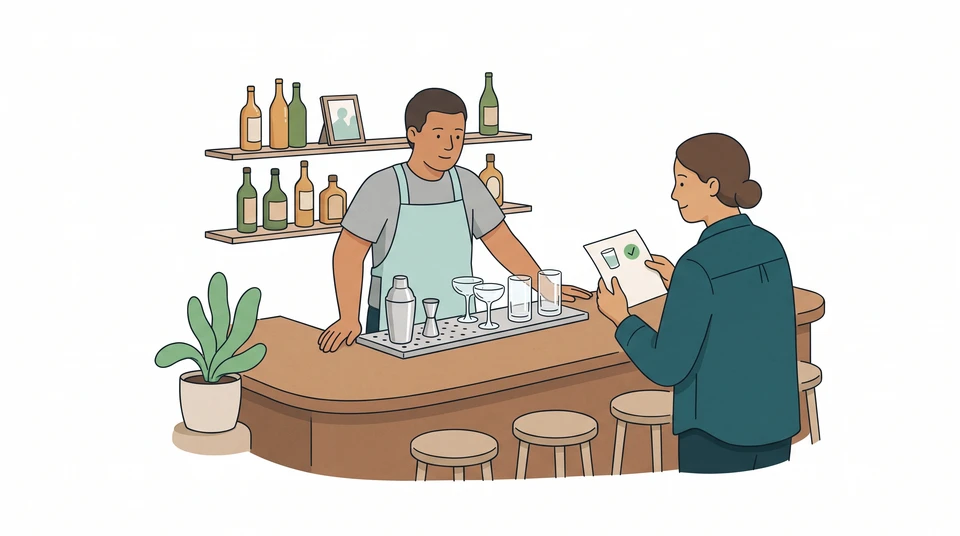
Write a bartender job description around the shift you need covered
Separate opening readiness from supervised peak service. Adapt a bartender job description with clear ticket ownership, payment limits and manager backup.
Hiring for a venue goes better when the role is defined before the ad goes out. These articles cover writing job descriptions for front-of-house and counter roles, deciding who owns each responsibility, and running a hiring process that candidates can follow.
Later articles deal with the middle of the process: organising applicants, interview questions tied to real shifts, planning stage and trial shifts, checking availability before an offer, and following up when a candidate goes quiet.
Separate opening readiness from supervised peak service. Adapt a bartender job description with clear ticket ownership, payment limits and manager backup.
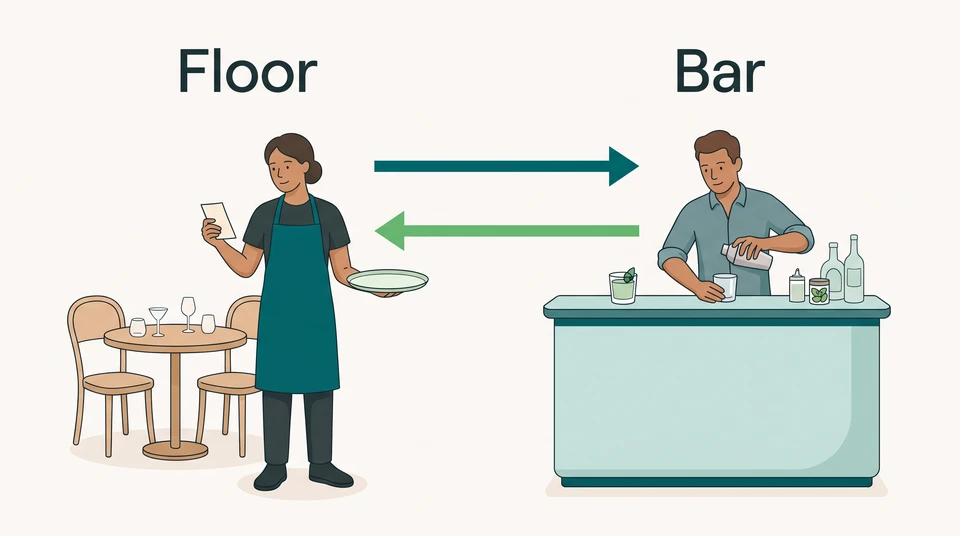
Define who takes the order, makes the drink and follows up with guests. Adapt a plain floor-service role description and prepare the first shift.
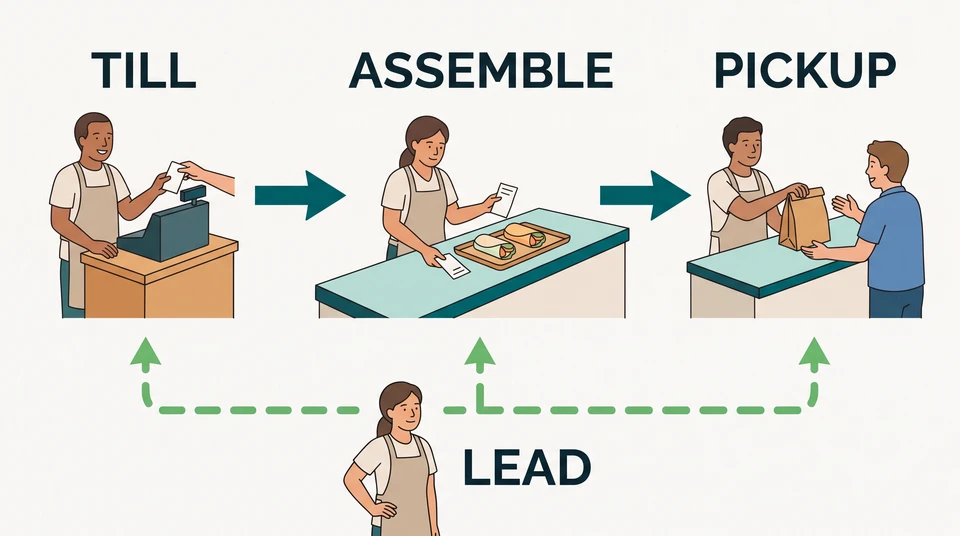
Give your next counter crew member a clear starting station, specific backup duties and a manager to ask before changing jobs.

Be clear when the job has been accepted, offer one owned update and close the conversation without asking a candidate to hold their calendar.
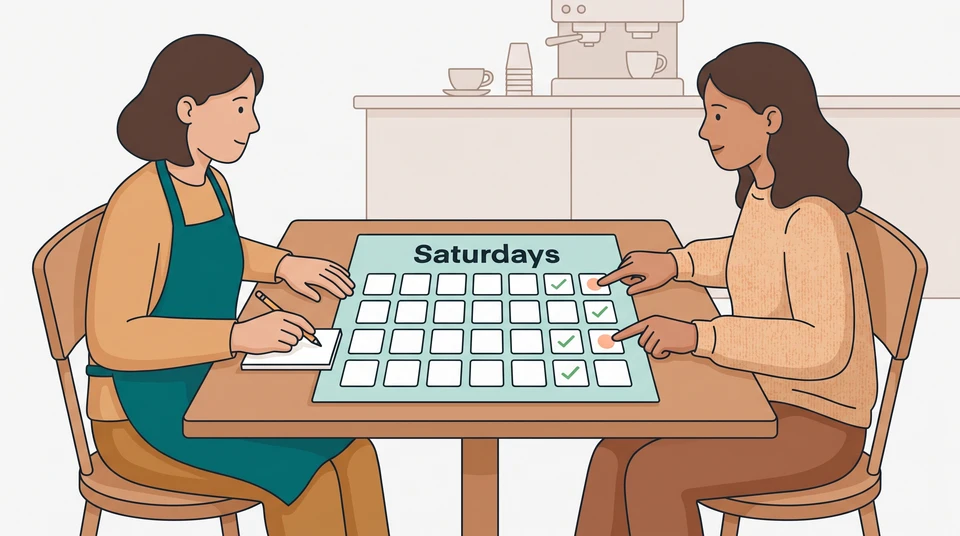
Separate the shifts you need, the availability a candidate states and any dated exceptions. Leave one manager responsible for the question still open before an offer.
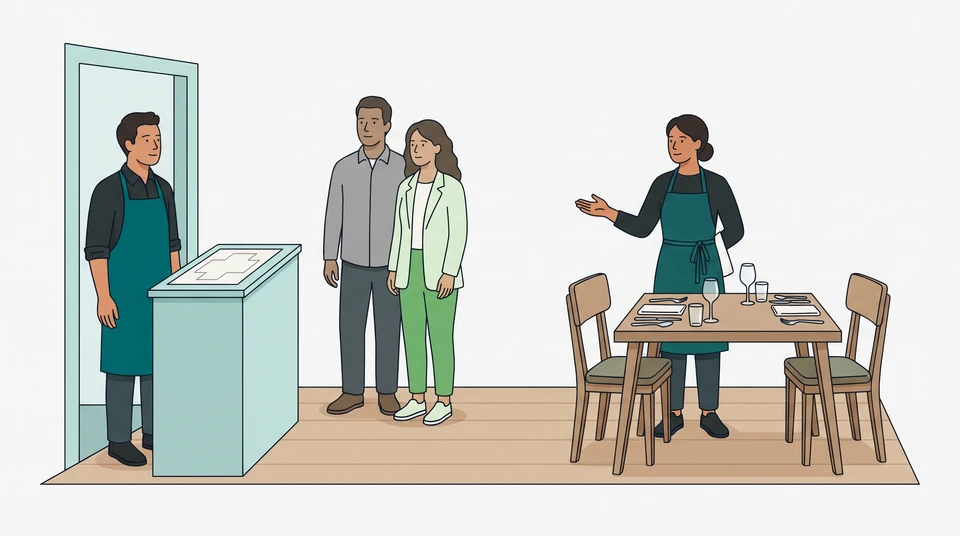
Make arrivals, seating checks and guest updates clear before you advertise. Adapt a practical host description around your venue's actual entrance work.
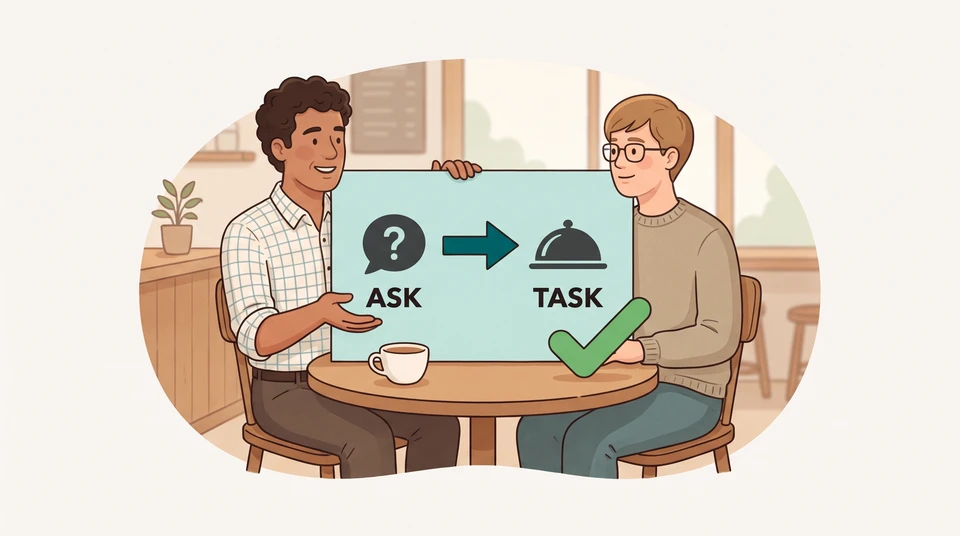
Choose three real shift situations, ask useful follow-ups and keep clear manager notes. After hiring, turn teaching needs into a practical first-shift handoff.
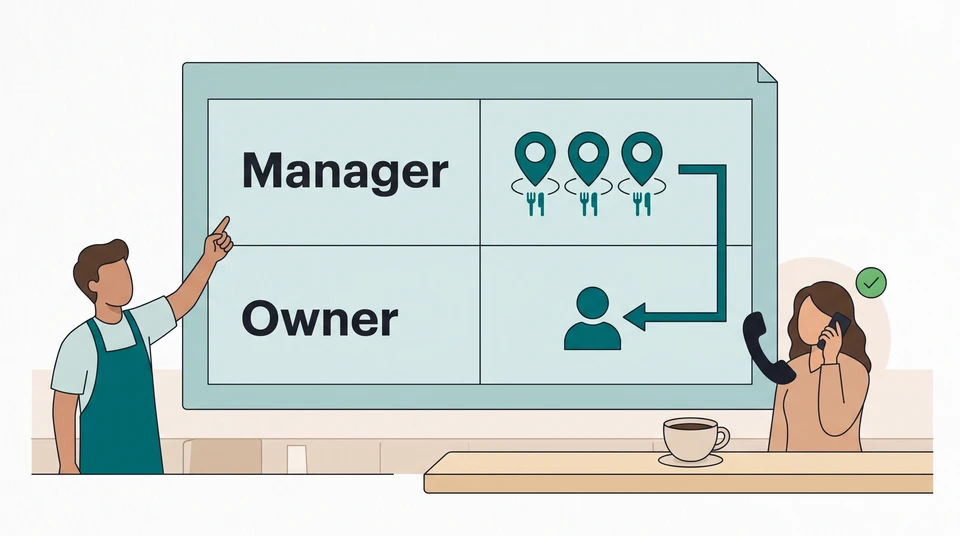
Agree what the shift manager can decide, what stays with the owner and what happens when the owner is unavailable.
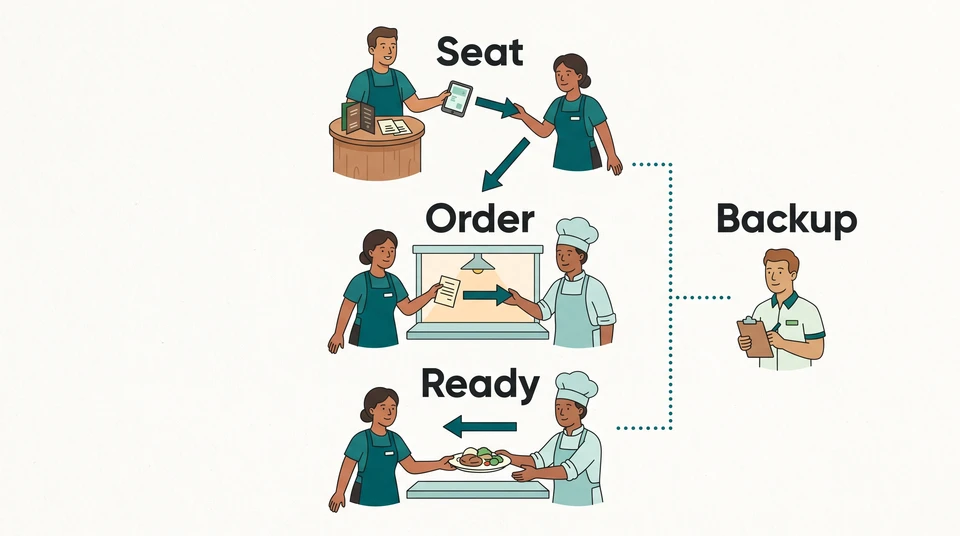
Give each service handoff a sender, a receiver and a backup. Adapt a dinner-service map for your host, servers, kitchen and shift lead.
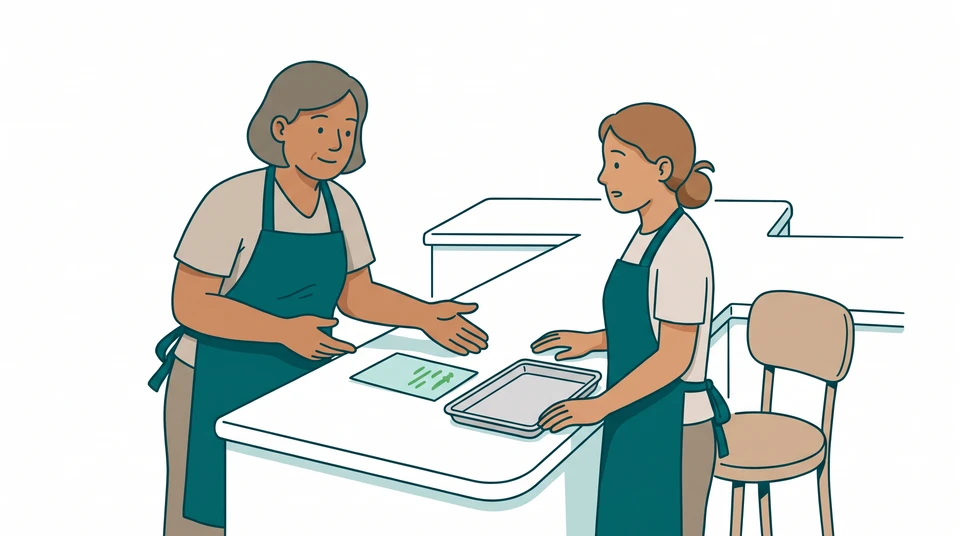
Set the purpose, compensation and supervision before inviting someone in. Use a short kitchen handoff example to plan observations without relying on an applicant for cover.

Define the service work, checkout authority and training support before you advertise. Start with a copyable, editable restaurant server job description.

Give staff one opening to share, let candidates apply directly and name the manager who will reply. Includes a practical two-referral server example.

Three clear ways to apply, one company job board, and a human next step for each candidate.
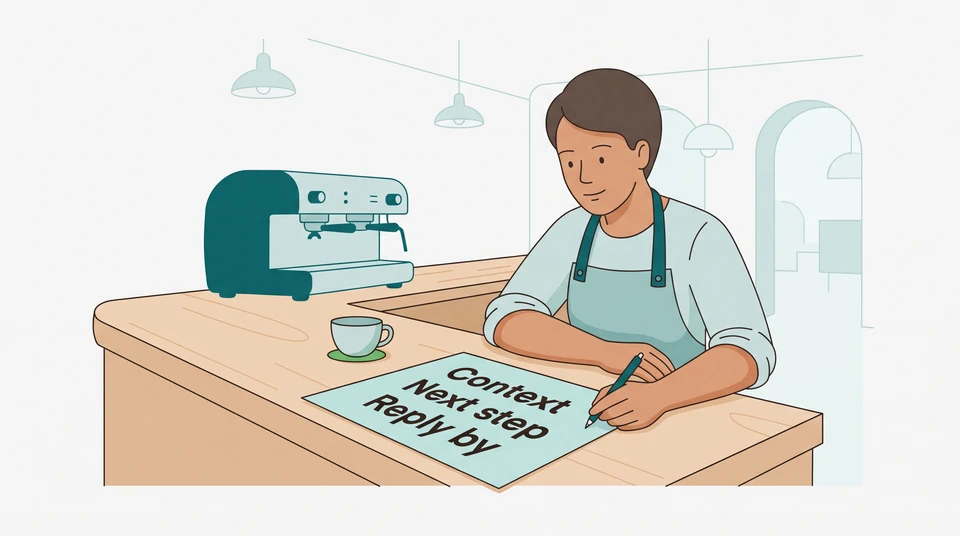
Check the last conversation, offer a concrete next step and decide when to close the loop—without treating silence as a judgment about the candidate.
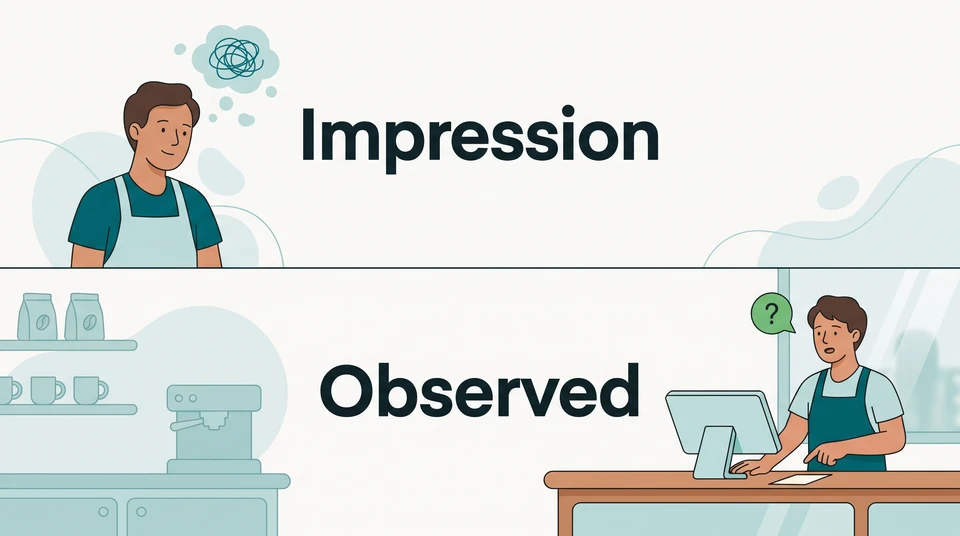
Replace a vague impression with the task you observed, the help provided and a clear next step. A cafe till example shows what to record—and what to leave open.