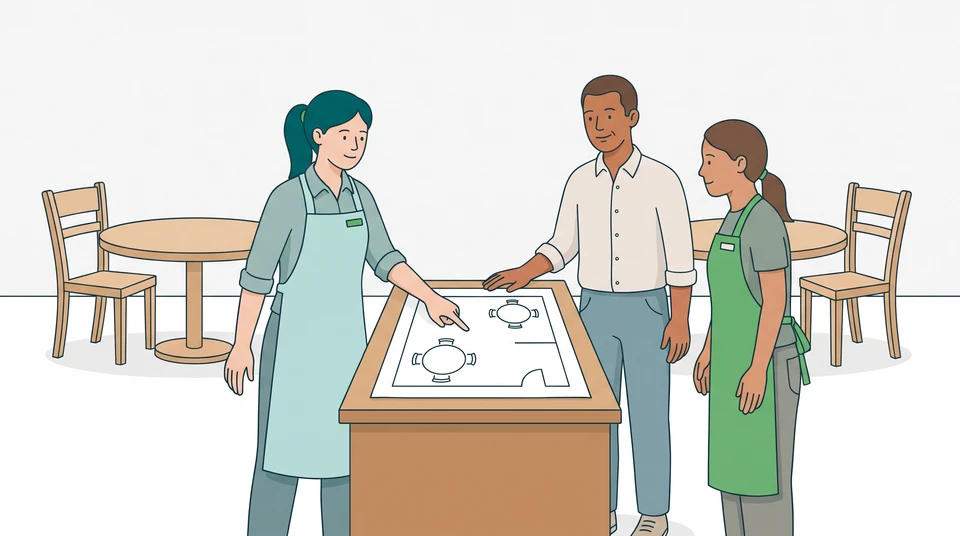
Build a restaurant manager training plan around supervised decisions
Give a new shift lead progressively larger supervised decisions, then review their reasoning, escalation and follow-through before the next responsibility.
Most venue training happens during service, so it needs to be short, specific and checked. These articles start with choosing the right training method for a task, then cover turning procedures into practice and checking whether someone is ready for a busy service.
Other articles apply that approach to particular tasks: menu changes, POS modifiers, closing duties, guest complaints, multilingual teams and cross-training for cover. The leadership articles cover pre-shift briefings, manager training and the everyday decisions that shape team culture.
Give a new shift lead progressively larger supervised decisions, then review their reasoning, escalation and follow-through before the next responsibility.
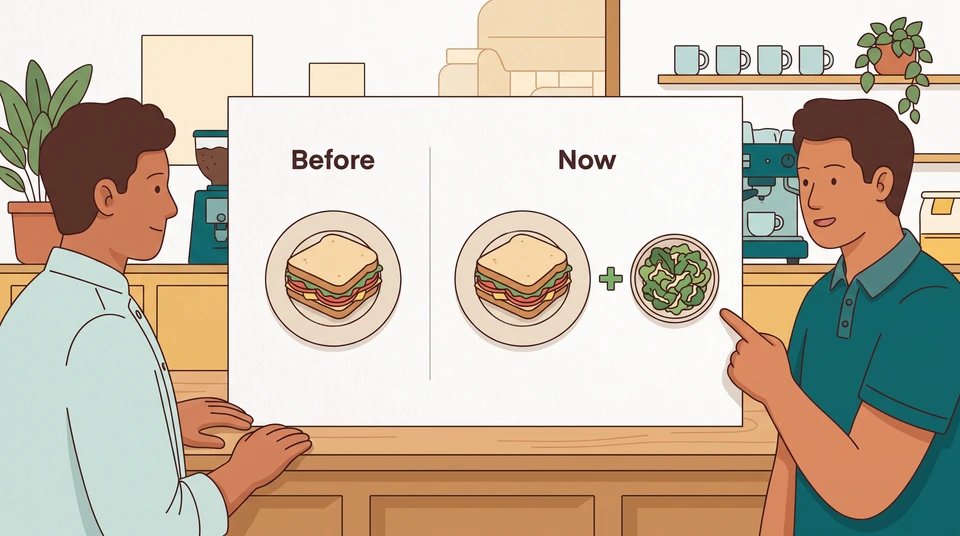
Compare one changed menu item, confirm price and availability, then listen to staff explain the option and escalate an unanswered question.
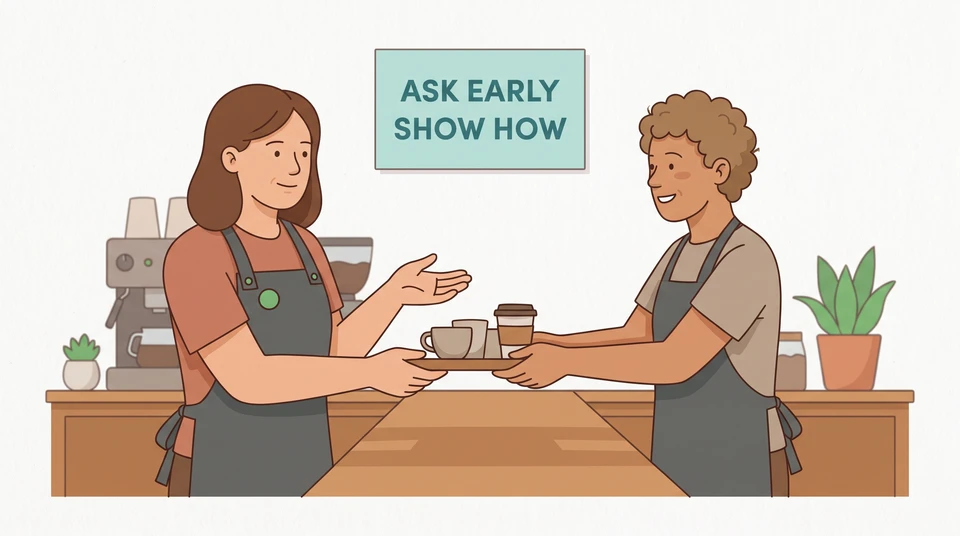
Turn one value into an action the team can see. Model asking for help during a busy handoff, then use specific feedback to change the next service.
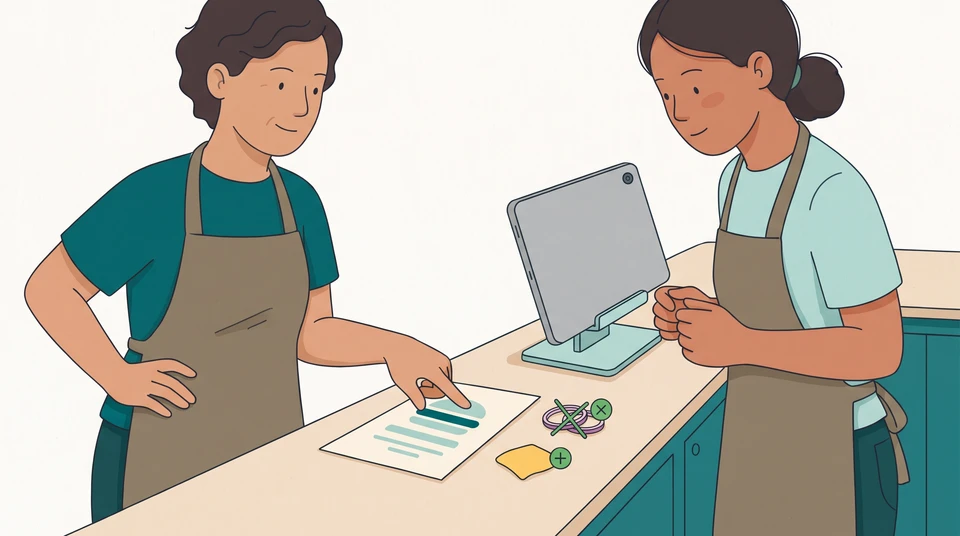
Use an imagined burger order to compare intended and entered modifiers. Confirm the provider’s practice setup, then record what the manager actually observed.
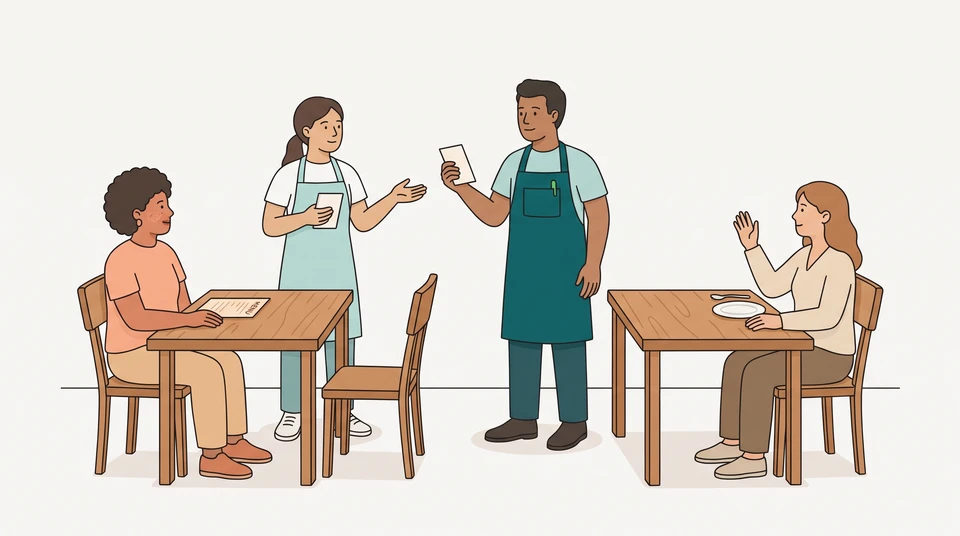
One table can go well while overlapping requests still need support. Use a worked server example to choose the next assignment, backup and review.
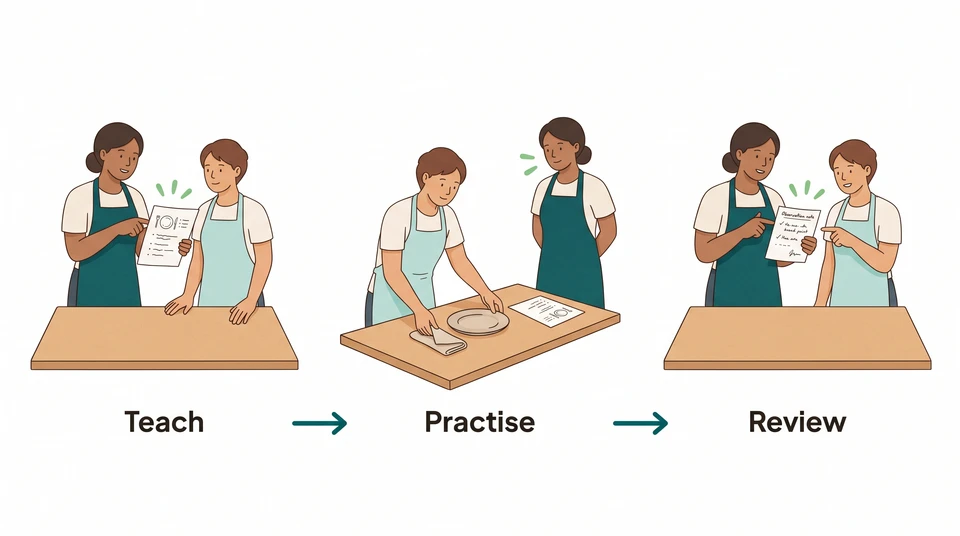
Choose one venue instruction, separate demonstration from practice and record the learner’s next step without mistaking a tick for readiness.
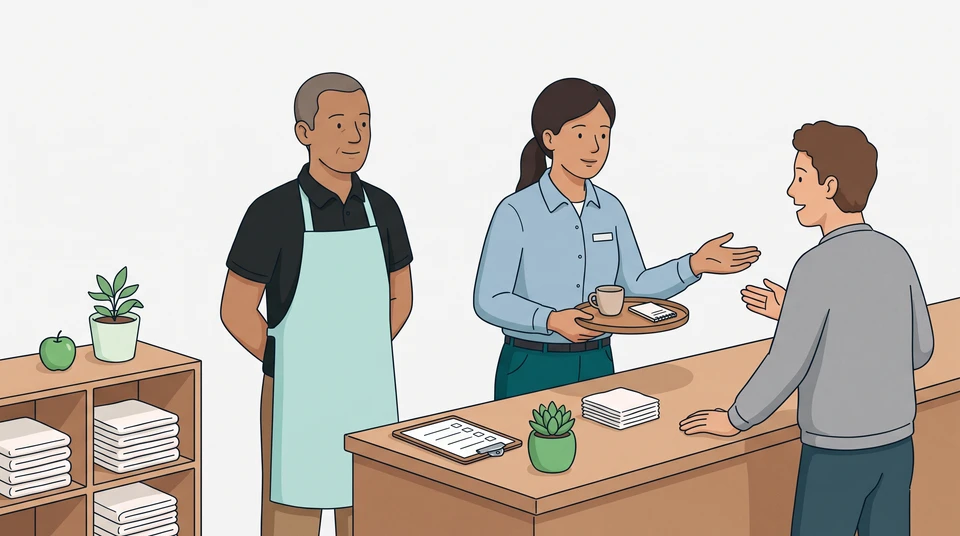
Finding spare napkins and handing a guest to another server need different checks. Choose the method for the task, not the format you already have.
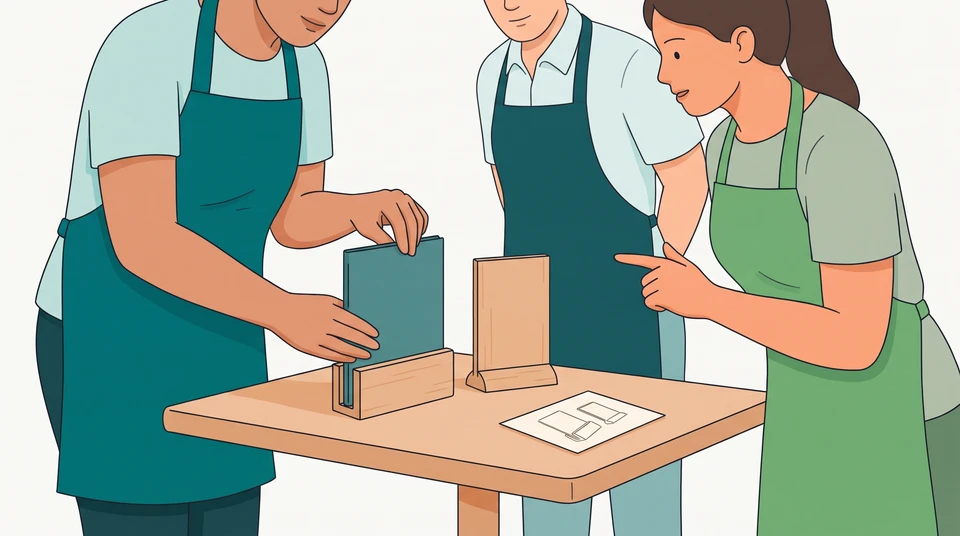
Ask privately which instruction format helps, demonstrate one table setup and let the learner show the next step. Keep reviewed versions together.
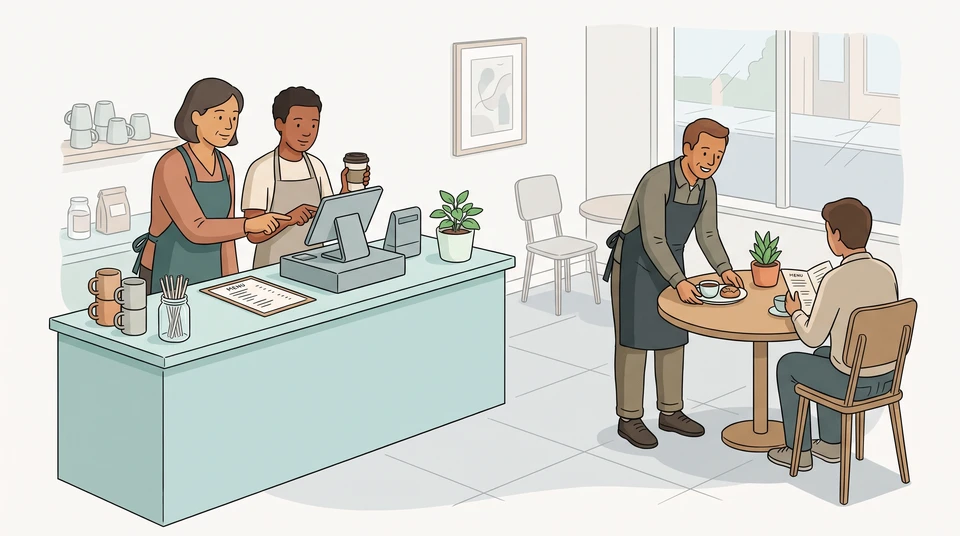
Plan a second trained person with real trainer time, original-station cover and a manager review before relying on them.
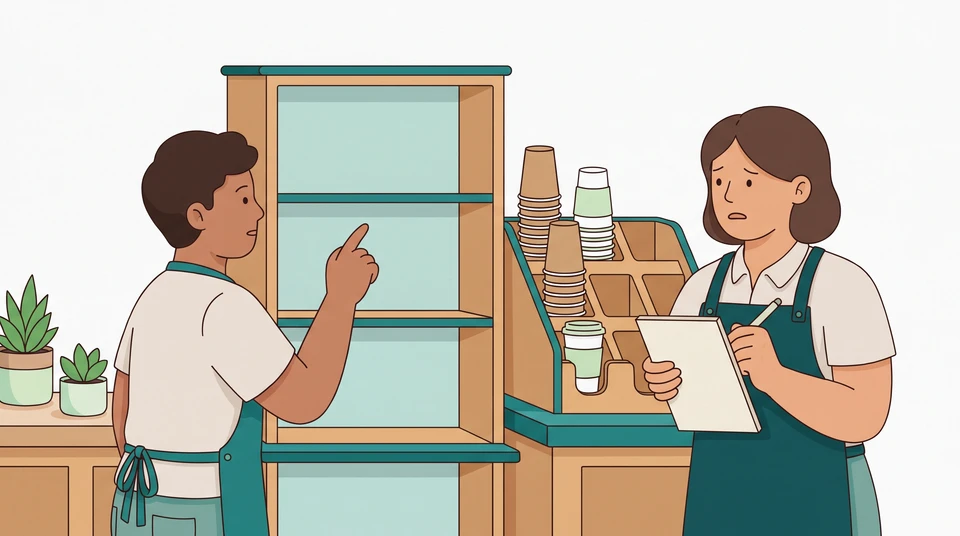
Teach what a finished closing task looks like—and what to report when supplies are missing. Start with one task and a supervised cafe example.
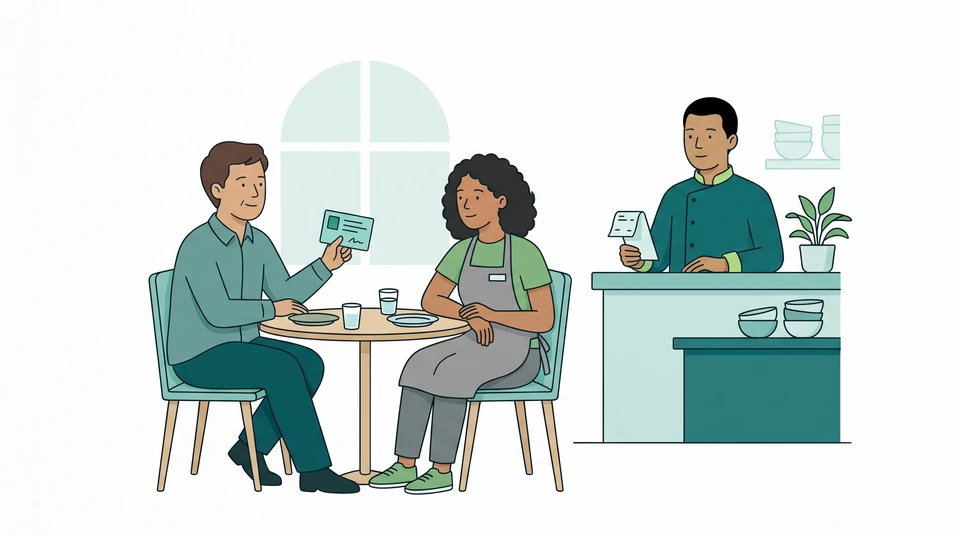
Help your team acknowledge a complaint, check the facts and know when to ask the manager. Start with a practical long-wait rehearsal.
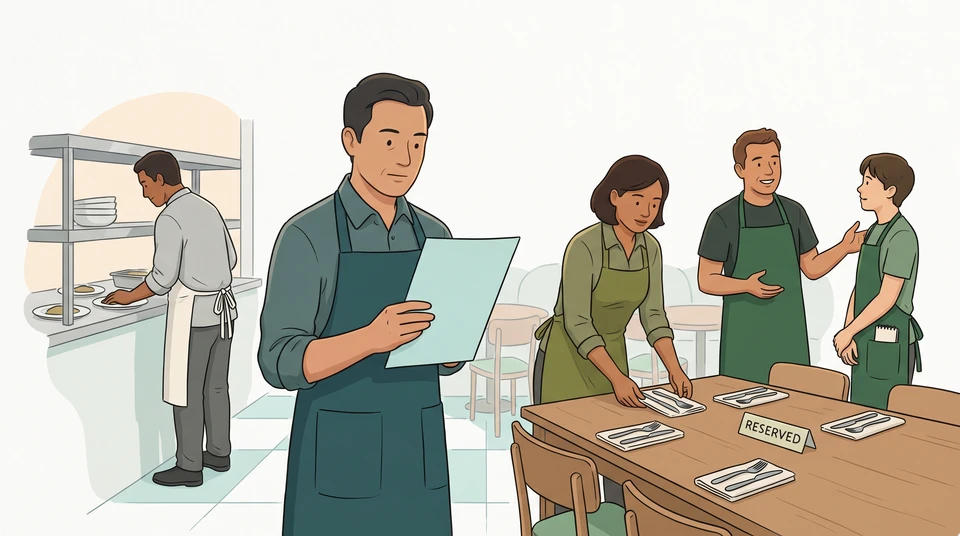
Turn this shift's changes into named actions, a short rehearsal and a direct update for later starters.