Arrange and confirm restaurant interviews without message confusion
Offer two interview times, confirm the chosen appointment and send one clear replacement if plans change.
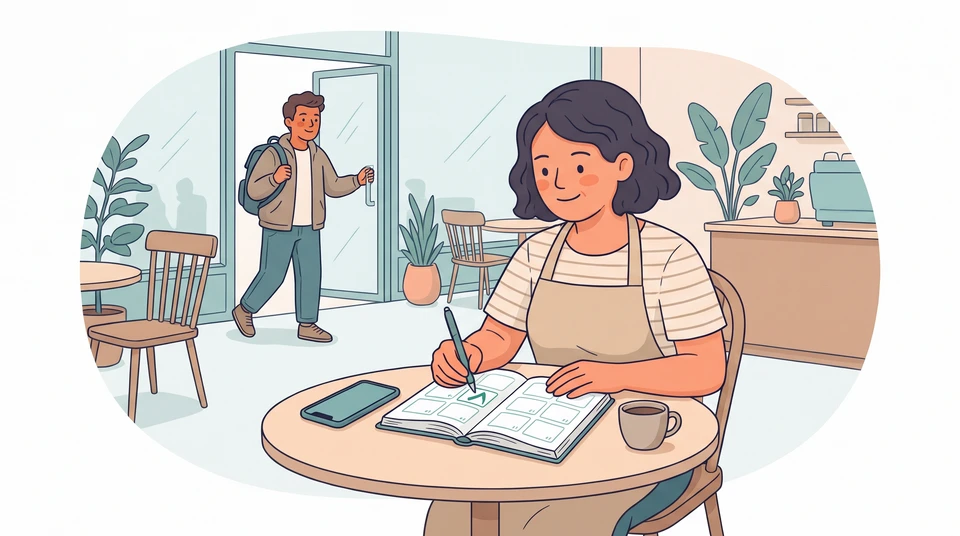
Send the candidate two interview times you can actually keep, then confirm the one they choose. Put the date, location, person to ask for and reply instructions in the same message. If the appointment changes, replace the old details with one complete confirmation.
You can do this with email, text and your own calendar. The aim is one agreed appointment—not a longer reminder sequence or another tool to set up.
Offer usable interview times and clear arrival information
Before sending a restaurant interview invitation email, the hiring manager checks the interviewer’s calendar and the venue’s service plan. Choose a time when that person can step away from service and a place where the conversation can happen. Don’t offer a quiet table that is already booked for lunch.
Name the role, expected length and format. Say whether you’re meeting at the venue, calling the candidate or sending a video link. For an in-person conversation, include the street address, entrance and who to ask for. For a call, confirm the number or link and time zone rather than relying on “our time”.
Offer two real options and invite an alternative if neither works. If you need a reply by a particular time to hold the slots, explain that planning deadline. Don’t turn a late reply into a judgment about the person.
An invitation for a cafe role
Suppose Jo manages Harbour Cafe in Melbourne and is arranging an interview with Alex for a counter role. Jo has checked that both proposed slots are free. This example is a conversation about the job, not a trial shift.
Subject: Counter role interview at Harbour Cafe — choose a time
Hi Alex, thanks for applying for the counter role. I’m Jo, the cafe manager. Would Tuesday 3 November at 2 pm or Thursday 5 November at 10 am work for a 20-minute interview? Both times are Melbourne time.
We’ll meet at Harbour Cafe, [street address]. Come through the front customer entrance and ask for Jo. We’ll talk about the role and you’ll have time for questions; there’s no work trial at this meeting.
Please reply with the time that suits you, or suggest an alternative. Let me know if you need an adjustment to take part in the interview. Thanks, Jo.
Replace the venue, address, dates and interview details before using the example. Use the hiring contact details the candidate supplied. If AI helps draft your invitation, the manager still checks those details and sends the message.
Give applicants a way to discuss interview adjustments without asking them to put a medical history in the booking reply. In Australia, Fair Work’s discrimination guidance covers prospective employees as well as existing staff. For US employers covered by the ADA, the EEOC explains how accommodation can support participation in the application process. If a request needs advice, get help for your venue’s jurisdiction before deciding how to proceed.
Confirm the agreed appointment
A candidate choosing one of your times is the cue to check it is still available and send a confirmation. “Thanks, see you then” leaves the useful details further up the thread. Repeat the date, start time, location and contact person together.
In the cafe example, Alex replies:
Thursday 5 November at 10 am works for me. Thanks, Alex.
Jo checks the calendar, books that slot and replies:
Confirmed: Thursday 5 November, 10–10:20 am, Melbourne time, for the counter role interview at Harbour Cafe, [street address]. Use the front customer entrance and ask for Jo. Please reply to confirm you’ve received these details. If you need to change the time or have trouble finding us, reply here. Thanks, Jo.
Alex acknowledges the confirmation. Jo releases the unused Tuesday option. Keep the final appointment in the interviewer’s calendar and the hiring conversation; don’t leave both offered slots looking booked.
Ask the person covering arrivals to direct Alex to Jo. They need the appointment details, not Alex’s application or private circumstances. If Jo also handles arrivals, no extra handoff is needed.
If the candidate only replies “got it” to the original invitation, ask which time they mean. Acknowledging a message isn’t choosing a slot. An interview booking isn’t acceptance of a job or confirmation of a first shift either.
Once the booking is settled, prepare the conversation separately with job-related restaurant interview questions. Keep the appointment message focused on getting everyone to the same meeting.
Handle a candidate-requested reschedule
Check the existing appointment before offering another one. Don’t assume the candidate can take whichever gap appears next, and don’t ask for a private explanation just to discuss another time.
Alex later writes:
I can no longer make Thursday at 10 am. Could we move the interview to Friday afternoon?
Jo marks Thursday as cancelled, checks a new slot and replies:
Thanks for letting me know. Thursday’s interview is cancelled. I can offer Friday 6 November at 2 pm, Melbourne time, for the same 20-minute conversation at Harbour Cafe. Would that work? It isn’t booked yet—please reply to confirm.
Alex agrees to Friday at 2 pm. Jo then sends the full replacement:
Confirmed: Friday 6 November, 2–2:20 pm, Melbourne time, at Harbour Cafe, [street address]. Use the front entrance and ask for Jo. This replaces Thursday 5 November at 10 am. Please acknowledge this updated confirmation and reply here if anything changes. Thanks, Jo.
After Alex acknowledges, Jo checks that only Friday remains in the calendar and updates the person handling arrivals. The old message stays in the thread as history, not as a second live appointment.
If Alex only asks whether Friday might be possible without cancelling Thursday, clarify what should happen to the original booking. If the venue changes the interviewer or location, send those changes explicitly and ask the candidate to acknowledge them. Don’t quietly edit your calendar and assume they know.
Follow up once after a missed appointment
Before contacting a candidate who hasn’t arrived, the hiring manager checks the latest agreed time, any reschedule reply and whether someone at the venue has already greeted them. Check your own directions too. Don’t write “unreliable” when all you know is that the meeting hasn’t happened.
If the person has missed the confirmed appointment and hasn’t asked you to stop contacting them, send one calm message:
Hi Alex, it’s Jo from Harbour Cafe. We had an interview booked for today at 2 pm and haven’t met. Would you still like to arrange a conversation about the counter role? Please reply if so, and I’ll check the available times. Thanks, Jo.
That message doesn’t automatically book another interview or promise the vacancy will stay open. If they reply, check the current role and available times before confirming a new appointment. If they don’t, use your candidate follow-up process rather than starting a second chase across personal channels.
Before leaving the task, Jo records one current state: appointment completed, cancelled, or missed with a follow-up awaiting reply. Keep the actual message history; don’t turn an unanswered invitation into “declined job”.
Start with the calendar and hiring conversation you already use. If you want candidate and role details together, explore CrewCentral Hiring. It organizes candidates around open roles, with your team making the hiring decisions. You still own the invitation, confirmation and reply check. If someone later accepts the role, prepare their onboarding, training and first schedule together—don’t treat the interview appointment as a ready-to-work handoff.